
When it comes to the world of metalworking, Cold Heading Punches play a pivotal role. As a trusted supplier of Cold Heading Punches, I understand the importance of not only providing high - quality tools but also ensuring that our customers are well - informed about their safe usage. In this blog, I will delve into the safety precautions that one should take when using Cold Heading Punches.
Understanding Cold Heading Punches
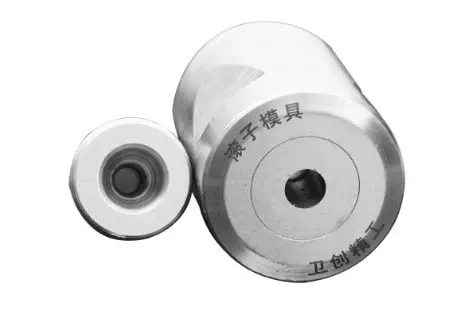
Before we jump into safety measures, let's briefly understand what Cold Heading Punches are. Cold Heading Punches are essential tools used in the cold heading process, which is a forging technique that forms metal parts at room temperature. These punches are designed to shape and form metal blanks into various components, such as bolts, screws, and rivets. They are available in different shapes, sizes, and materials, with carbide being a popular choice due to its hardness and wear resistance. You can explore a wide range of Cold Heading Punches on our website Cold Heading Punches.
Personal Protective Equipment (PPE)
The first and foremost safety precaution when using Cold Heading Punches is to wear appropriate Personal Protective Equipment.
- Safety Glasses: Metal fragments can be ejected during the cold heading process. Safety glasses protect your eyes from these flying debris. Make sure the glasses meet the relevant safety standards and fit properly.
- Gloves: Gloves are crucial to protect your hands from sharp edges of the punches and any potential burns. Heat can be generated during the cold heading operation, and gloves with heat - resistant properties are recommended.
- Ear Protection: The cold heading process can be noisy. Prolonged exposure to high - decibel noise can cause hearing damage. Earplugs or earmuffs should be worn to reduce the risk of hearing loss.
- Safety Shoes: These shoes protect your feet from falling objects and any sharp metal pieces that may land on the floor. They should have steel toes and good traction.
Machine Inspection and Maintenance
Regular inspection and maintenance of the cold heading machine and the punches are vital for safe operation.
- Pre - operation Inspection: Before starting the machine, conduct a thorough inspection of the Cold Heading Punches. Check for any signs of wear, cracks, or damage. A damaged punch can break during operation, posing a serious safety hazard. Also, inspect the machine itself. Look for loose parts, malfunctioning sensors, and proper lubrication.
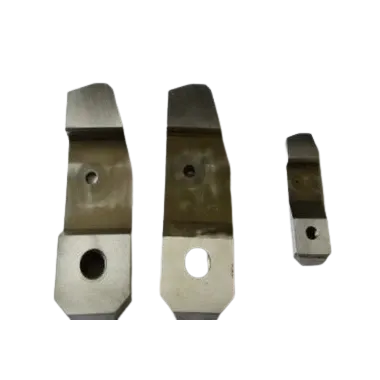
- Regular Maintenance: Follow the manufacturer's recommended maintenance schedule. This includes cleaning the punches, lubricating the machine components, and replacing worn - out parts. For example, the Carbide Cut Off Blade COB used in conjunction with the Cold Heading Punches should be inspected and maintained regularly to ensure smooth operation.
Correct Installation and Setup
Proper installation and setup of the Cold Heading Punches are essential for both safety and efficient operation.
- Alignment: Ensure that the punches are correctly aligned with the dies. Misaligned punches can cause uneven pressure on the metal blank, leading to poor - quality parts and potential damage to the punches. Use alignment tools provided by the machine manufacturer to achieve accurate alignment.
- Tightening: The punches must be tightened securely in the machine. Loose punches can move during operation, resulting in inconsistent forming and increasing the risk of the punch flying out of the machine.
Operating Procedures
Adhering to correct operating procedures is crucial for safety.
- Training: All operators should receive proper training on the use of Cold Heading Punches and the cold heading machine. They should be familiar with the machine controls, emergency stop buttons, and the correct sequence of operations.
- Loading and Unloading: When loading the metal blanks into the machine, use appropriate tools to avoid direct contact with the moving parts. Similarly, when unloading the finished parts, be careful not to get your fingers caught in the machine.
- Speed and Pressure: Operate the machine at the recommended speed and pressure settings. Excessive speed or pressure can cause the punches to break or the machine to malfunction.
Storage of Cold Heading Punches
Proper storage of Cold Heading Punches is also an important safety aspect.
- Cleaning Before Storage: After use, clean the punches thoroughly to remove any metal shavings, lubricants, or debris. This helps prevent corrosion and maintains the integrity of the punches.
- Proper Storage Location: Store the punches in a dry, clean, and organized area. Use a dedicated storage rack or cabinet to keep them in place. This reduces the risk of the punches being damaged or causing injury when they are accidentally knocked over.
Emergency Preparedness
Despite taking all the necessary precautions, emergencies can still occur.
- Emergency Stop Button: Familiarize yourself with the location of the emergency stop button on the cold heading machine. In case of any malfunction or danger, press the button immediately to stop the machine.
- First - Aid Kit: Have a well - stocked first - aid kit nearby. In case of minor injuries, prompt first - aid treatment can prevent the situation from worsening.
- Fire Safety: The cold heading process may involve the use of lubricants, which can be flammable. Ensure that there are fire extinguishers nearby and that all operators know how to use them.
Working Environment
The working environment also plays a significant role in safety.
- Ventilation: A well - ventilated workspace is essential. The cold heading process can generate fumes from lubricants and the metalworking process. Proper ventilation helps remove these fumes, reducing the risk of respiratory problems for the operators.
- Floor Conditions: Keep the floor clean and dry. Spilled lubricants or metal shavings can make the floor slippery, increasing the risk of slips, trips, and falls.
Compatibility of Punches and Materials
Using the right Cold Heading Punches for the specific metal material is important.
- Material Hardness: Different metals have different hardness levels. Using a punch that is not suitable for the material can lead to premature wear of the punch or even breakage. For example, harder metals may require punches made of high - strength carbide.
- Punch Design: The design of the punch should be compatible with the shape and size of the metal blank. An incorrect punch design can cause uneven forming and increase the stress on the punch, leading to failure.
In conclusion, safety is of utmost importance when using Cold Heading Punches. By following these safety precautions, operators can minimize the risk of accidents and ensure a safe working environment. As a supplier of Cold Heading Punches, we are committed to providing our customers with not only top - quality products but also the knowledge and support to use them safely.
If you are interested in purchasing Cold Heading Punches or have any questions regarding their safe usage, we invite you to contact us for a procurement discussion. We have a team of experts who can assist you in choosing the right punches for your specific needs. You can also explore our other products such as Carbide Cut Off Blade COB and Quill COD on our website.
References
- ASME B11.2 - 2018, Safety Standard for Cold Heading and Cold Forming Machines
- OSHA (Occupational Safety and Health Administration) Guidelines for Metalworking Operations
- Manufacturer's Manuals for Cold Heading Machines and Punches