
Hey there! As a supplier of Taper Roller Design, I've been knee - deep in the world of taper rollers for ages. Today, I'm gonna spill the beans on the safety factors in taper roller design.
Let's start with the basics. Taper rollers are super important in a whole bunch of industries, from automotive to heavy machinery. They help reduce friction and support loads, but making sure they're safe is a top priority.
One of the key safety factors is material selection. You can't just pick any old metal and expect it to work. We need materials that can handle the stress and wear. High - quality bearing steels are usually the go - to choice. These steels have excellent hardness and toughness, which means they can withstand high loads without cracking or deforming easily. For example, if a taper roller is used in a car's transmission, it has to deal with constant rotation and varying loads. Using a sub - standard material could lead to premature failure, and that's a huge safety risk.
Another biggie is the geometry of the taper roller. The shape of the roller has a direct impact on its performance and safety. The taper angle, for instance, needs to be just right. If the angle is too steep, the roller might not distribute the load evenly, which can cause excessive wear on certain parts. On the other hand, if the angle is too shallow, the roller might not be able to handle the radial and axial loads effectively.
When it comes to manufacturing, precision is everything. The surface finish of the taper roller has to be smooth. Any rough spots or irregularities can create stress concentrations, which can eventually lead to cracks. We use advanced machining techniques to ensure that the surface of the roller is as smooth as possible. This not only improves the safety but also the overall efficiency of the roller.
Lubrication is also a crucial safety factor. Taper rollers need proper lubrication to reduce friction and heat. Without enough lubrication, the temperature of the roller can rise significantly, which can cause the material to soften and wear out faster. We often recommend using high - quality lubricants that are specifically designed for taper rollers. These lubricants can form a protective film on the surface of the roller, preventing direct metal - to - metal contact.
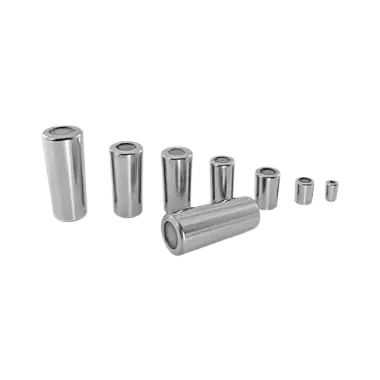
Now, let's talk about some of the different types of taper rollers we offer. We have the Gravity Taper Roller. These rollers are designed to handle heavy loads in applications where gravity plays a significant role. They have a unique design that allows them to distribute the load more evenly, which enhances their safety and durability.
Our Conical Rollers are another great option. They are commonly used in high - speed applications. The conical shape helps in better alignment and reduces the risk of misalignment, which can be a major safety hazard.
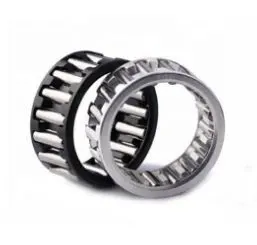
And then there are the Needle Roller. These are ideal for applications where space is limited. Despite their small size, they are designed to handle high loads safely.
In addition to these design - related safety factors, we also focus on quality control. Every single taper roller we produce goes through a series of strict tests. We check for hardness, dimensional accuracy, and surface finish. Only after passing all these tests do the rollers get the green light for shipment.
We also keep up with the latest industry standards and regulations. This ensures that our taper rollers meet or exceed the safety requirements set by different organizations. We understand that safety is non - negotiable, especially when it comes to critical applications.
When it comes to installation, proper procedures are essential. If a taper roller is installed incorrectly, it can lead to all sorts of problems. We provide detailed installation guides to our customers to make sure that the rollers are installed safely and correctly.
Maintenance is another aspect that can't be overlooked. Regular inspections and maintenance can help detect any potential safety issues early on. We offer advice on how to maintain the taper rollers to ensure their long - term safety and performance.
In conclusion, safety in taper roller design is a multi - faceted issue. It involves everything from material selection and geometry to manufacturing, lubrication, and maintenance. As a supplier, we take our responsibility seriously. We're committed to providing high - quality taper rollers that are not only efficient but also safe.
If you're in the market for taper rollers and want to learn more about our products or have any questions regarding safety factors, don't hesitate to reach out. We're always here to help you make the right choice for your specific application. Let's have a chat about your needs and see how we can work together to ensure a safe and reliable operation.
References
- Bearing Handbook, various editions
- Industry standards and regulations related to taper roller design