
Hey there! As a supplier of ball bearing balls, I've had my fair share of dealing with different industries and their unique requirements. One area that's really strict and important is the food - grade applications. So, let's dive into what the requirements are for ball bearing balls in these applications.
Material Requirements
First off, the material of the ball bearing balls is super crucial. In food - grade applications, we can't just use any old material. The most common materials are stainless steel and carbon steel.
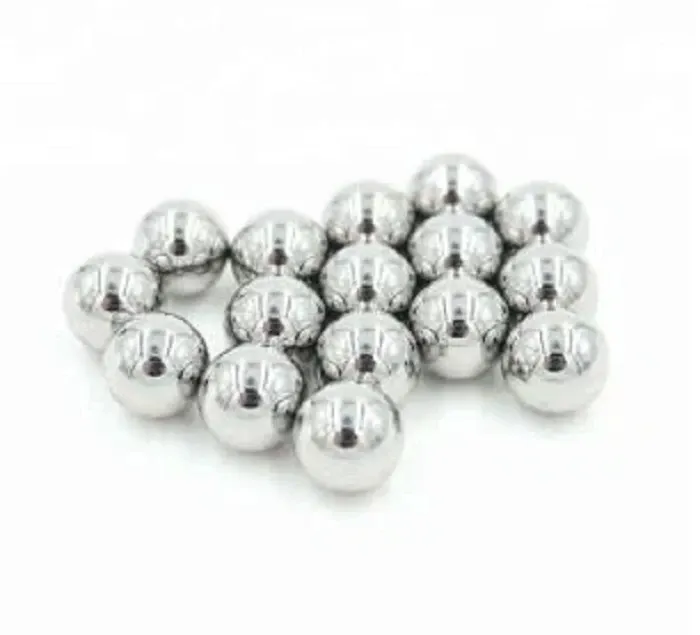
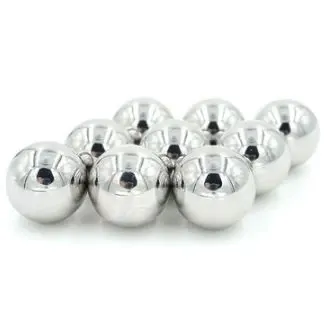
Stainless steel balls are a top choice. They're highly resistant to corrosion, which is a must in food - grade settings. You don't want the balls to rust or corrode, as that could contaminate the food. Stainless Steel Ball are often made from grades like 304 or 316 stainless steel. These grades have a good balance of durability and corrosion resistance. 316 stainless steel, in particular, is great because it has molybdenum in it, which gives it even better resistance to pitting and crevice corrosion, especially in environments where there might be salts or acids present, like in some food processing plants.
Carbon steel balls can also be used, but they need to be properly treated. Carbon Steel Ball are strong and have good wear resistance. However, they're more prone to rusting compared to stainless steel. So, they usually go through a special coating or heat - treatment process to protect them from corrosion. For example, they might be coated with a food - safe polymer or have a passivation treatment to create a protective oxide layer on the surface.
Surface Finish
The surface finish of the ball bearing balls is another key factor. In food - grade applications, the balls need to have a smooth surface. A rough surface can trap food particles, bacteria, and other contaminants. This can lead to the growth of harmful microorganisms, which is a big no - no in the food industry.
We aim for a very low surface roughness. The smoother the surface, the easier it is to clean the balls. This is important because regular cleaning is essential to maintain food safety. During the manufacturing process, we use advanced grinding and polishing techniques to achieve the desired surface finish. This not only helps with cleanliness but also reduces friction, which can improve the performance of the ball bearings in the equipment.
Size and Tolerance
Accurate size and tight tolerance are vital. The ball bearing balls need to be the right size to fit properly in the bearing assembly. In food - grade applications, any deviation in size can cause problems. For example, if the balls are too large, they might not fit correctly in the bearing raceways, which can lead to increased friction, heat generation, and premature wear of the bearings. On the other hand, if the balls are too small, there could be excessive play in the bearings, which can affect the precision and stability of the equipment.
We use high - precision manufacturing processes to ensure that the balls are within the specified tolerance range. This involves careful measurement and quality control at every stage of production. For instance, we use advanced measuring tools like micrometers and optical comparators to check the size and shape of the balls.
Hygiene and Cleanliness
Hygiene is a top priority in food - grade applications. The ball bearing balls need to be clean and free from any contaminants right from the manufacturing process. We have strict cleaning procedures in place. After the balls are manufactured, they go through a thorough cleaning process to remove any debris, oil, or metal shavings.
We also use food - safe lubricants. The lubricants are important for reducing friction and wear in the bearings, but they need to be non - toxic and safe for use in food - related environments. Some lubricants are specifically designed for food - grade applications and are approved by relevant food safety authorities.
Regulatory Compliance
There are a bunch of regulations that ball bearing balls for food - grade applications need to comply with. In the United States, the Food and Drug Administration (FDA) has strict rules regarding materials and substances that come into contact with food. Our products need to meet the FDA's requirements for food - contact materials.
In Europe, the European Union has its own set of regulations, such as the EU Food Contact Materials Regulation. These regulations cover aspects like the composition of the materials, the migration of substances from the materials into the food, and the overall safety of the products. We make sure that our ball bearing balls meet all these regulatory standards to ensure that they're safe for use in food - grade applications.
Traceability
Traceability is also important. In the food industry, it's crucial to be able to track the origin and history of the products. We keep detailed records of the manufacturing process of each batch of ball bearing balls. This includes information about the raw materials used, the manufacturing date, the production equipment, and the quality control results.
If there's ever an issue with a product, such as a contamination problem, we can quickly trace back the source and take appropriate action. This helps to ensure the safety and quality of the food products that our ball bearing balls are used in.
Conclusion
So, as you can see, there are a lot of requirements for ball bearing balls in food - grade applications. From the material and surface finish to size, hygiene, regulatory compliance, and traceability, every aspect needs to be carefully considered.
If you're in the food industry and looking for high - quality ball bearing balls that meet all these requirements, we're here to help. Whether you need Inch Steel Ball, carbon steel balls, or stainless steel balls, we've got you covered. We have the expertise and the facilities to produce top - notch products that will keep your food processing equipment running smoothly and safely.
Don't hesitate to reach out to us if you're interested in purchasing ball bearing balls for your food - grade applications. We're happy to discuss your specific needs and provide you with the best solutions. Let's work together to ensure the safety and efficiency of your food production processes.
References
- Food and Drug Administration (FDA). Regulations on food - contact materials.
- European Union. EU Food Contact Materials Regulation.
- Industry standards on ball bearing manufacturing and quality control.