
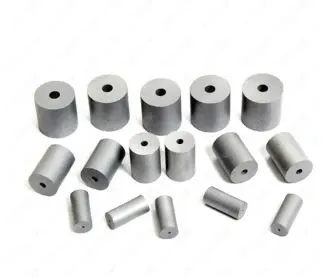
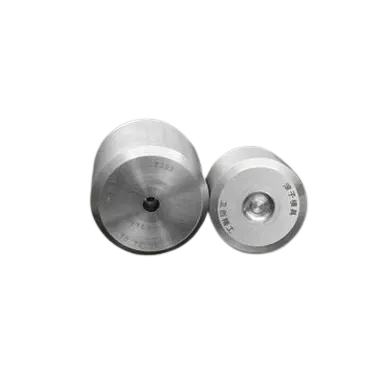
Maintenance intervals for Cold Heading Punches are a critical aspect of ensuring the efficiency and longevity of these essential industrial tools. As a reliable supplier of Cold Heading Punches, we understand the significance of providing accurate information on this topic to our valued customers. In this blog, we will delve into the factors influencing maintenance intervals, recommended schedules, and best practices to optimize the performance of Cold Heading Punches.
Factors Influencing Maintenance Intervals
Several factors impact the maintenance intervals for Cold Heading Punches. These include the type of material being processed, the frequency of use, the operating conditions, and the quality of the punches themselves. Let's explore each of these factors in detail:
Material Type
The hardness and composition of the material being cold-headed play a significant role in determining the wear and tear on the punches. For instance, working with high-strength alloys or hard metals will cause more rapid wear compared to softer materials. When dealing with aggressive materials, maintenance intervals may need to be shortened to prevent premature failure.
Frequency of Use
The more frequently the Cold Heading Punches are in operation, the faster they will experience wear. High-volume production environments demand more frequent maintenance to keep the punches in optimal condition. On the other hand, sporadic use may allow for longer intervals between maintenance checks.
Operating Conditions
The environment in which the Cold Heading Punches are used can also affect their lifespan. Factors such as temperature, humidity, and the presence of contaminants can accelerate wear and corrosion. Punches operating in harsh conditions, such as high temperatures or dirty environments, will require more frequent maintenance to ensure reliable performance.
Quality of Punches
The quality of the Cold Heading Punches themselves is a crucial factor. Higher-quality punches made from premium materials and with superior manufacturing processes are likely to have longer service lives and may tolerate longer intervals between maintenance. However, even the best punches will eventually require regular upkeep to maintain their performance.
Recommended Maintenance Intervals
Based on our experience as a supplier of Cold Heading Punches, we recommend the following general maintenance intervals:
Visual Inspection
A visual inspection should be conducted after every 10,000 to 20,000 strokes. This inspection involves checking for signs of wear, such as chipping, cracking, or excessive dulling. Any visible damage should be addressed immediately to prevent further deterioration.
Dimensional Checks
Dimensional checks should be performed every 50,000 to 100,000 strokes. This ensures that the punches are maintaining their accurate dimensions, which is crucial for producing high-quality cold-headed parts. Precise dimensional control helps to minimize scrap and ensure consistent product quality.
Lubrication and Cleaning
Lubrication and cleaning are essential for reducing friction and preventing corrosion. The punches should be lubricated and cleaned every 20,000 to 30,000 strokes. Using the appropriate lubricant and cleaning agents will help to extend the life of the punches and improve their performance.
Sharpening and Reconditioning
Sharpening and reconditioning should be carried out when the punches show signs of significant wear or when the dimensional accuracy is compromised. The frequency of this process will depend on the factors mentioned above, but it typically ranges from every 100,000 to 200,000 strokes. Reconditioning the punches can restore their performance and extend their service life.
Best Practices for Cold Heading Punch Maintenance
In addition to following the recommended maintenance intervals, there are several best practices that can help to optimize the performance and longevity of Cold Heading Punches:
Use High-Quality Lubricants
Using the right lubricant is crucial for reducing friction and wear on the punches. High-quality lubricants designed specifically for cold heading applications can help to improve the surface finish of the parts and extend the life of the punches.
Keep the Work Area Clean
A clean work area is essential for preventing contaminants from entering the cold heading process. Regularly cleaning the equipment and the surrounding area can help to reduce the risk of damage to the punches and improve the overall quality of the production.
Train Operators Properly
Proper training of operators is vital for ensuring the correct use and maintenance of Cold Heading Punches. Operators should be trained on how to identify signs of wear, perform basic maintenance tasks, and follow the recommended maintenance schedules.
Store Punches Correctly
When not in use, the Cold Heading Punches should be stored properly to prevent corrosion and damage. They should be stored in a dry, clean environment and protected from dust and moisture.
Importance of Cold Heading Punches in Cold Forming/Forging
Cold Heading Punches are an integral part of the Cold Forming/forging Tools arsenal. They are used to shape and form metal components at room temperature, offering several advantages over traditional machining processes. Cold heading is a highly efficient and precise method for producing high-volume parts, such as fasteners, bolts, and nuts.
The quality and performance of the Cold Heading Punches directly impact the quality of the final products. By maintaining the punches at regular intervals, manufacturers can ensure consistent product quality, reduce scrap rates, and increase productivity. This is especially important in industries where precision and reliability are critical, such as the automotive, aerospace, and electronics sectors.
Role of Feed Roll in Cold Heading Process
In the cold heading process, the Feed Roll plays a crucial role in feeding the raw material accurately to the punches. The feed roll must be in good condition to ensure proper alignment and feeding of the material. Regular maintenance of the feed roll, including cleaning, lubrication, and inspection for wear, is essential for consistent and efficient operation.
If the feed roll is not functioning correctly, it can lead to misaligned parts, poor quality, and increased wear on the Cold Heading Punches. Therefore, it is important to include the feed roll in the overall maintenance plan to ensure the smooth operation of the cold heading process.
Conclusion
In conclusion, maintaining the Cold Heading Punches at appropriate intervals is essential for ensuring their optimal performance, longevity, and the quality of the cold-headed parts. By considering the factors influencing maintenance intervals, following the recommended schedules, and implementing best practices, manufacturers can minimize downtime, reduce costs, and improve productivity.
As a leading supplier of Cold Heading Punches, we are committed to providing our customers with high-quality products and comprehensive technical support. If you have any questions about maintenance intervals, or if you are interested in purchasing Cold Heading Punches or related Cold Forming/forging Tools, please feel free to contact us for further discussion and procurement opportunities.
References
- [Cold Heading Technology: Principles and Practice](Author's Name, Publisher, Year of Publication)
- [Handbook of Cold Forging](Author's Name, Publisher, Year of Publication)
- [Advanced Materials for Cold Heading Punches](Author's Name, Journal Name, Volume, Issue, Year)