
Hey there! As a supplier of Cold Heading Dies, I'm super stoked to chat with you about the main materials used for these dies. Cold heading is a crucial process in manufacturing, and the materials of the dies play a huge role in how well the whole thing works.
Let's start with one of the most popular materials out there - tool steel. Tool steel is a real workhorse in the world of cold heading dies. It's got some great properties that make it a top choice. First off, it's got high hardness. This means it can withstand the high pressures and forces that come with cold heading. When you're shaping metal at room temperature, there's a ton of stress on the dies, and tool steel can handle it like a champ.
Another cool thing about tool steel is its good wear resistance. As the metal is being formed in the dies, there's bound to be some friction. Tool steel resists this wear, so the dies last longer. That's a big deal for manufacturers because it means they don't have to replace the dies as often, which saves them money in the long run.
There are different types of tool steel, too. For example, high - speed steel (HSS). HSS is known for its ability to maintain its hardness even at high temperatures. In cold heading, sometimes the process can generate a bit of heat, and HSS can handle that without losing its edge. It's often used for making smaller, more precise cold heading dies where the heat generated during the process could be a problem.
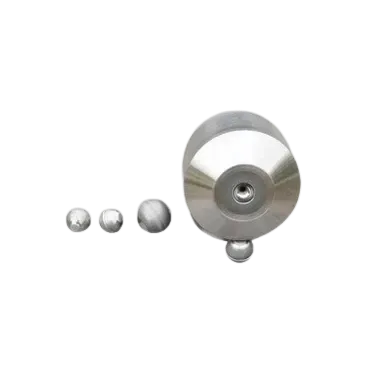
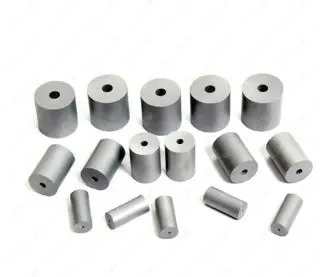
Now, let's talk about carbide. Carbide Cold Heading Dies Carbide Cold Heading Dies are becoming more and more popular. Carbide is an extremely hard material, even harder than most tool steels. This hardness gives carbide dies an edge when it comes to working with tough metals. If you're cold heading stainless steel or other high - strength alloys, carbide dies can take the beating.
One of the key advantages of carbide is its excellent wear resistance. It can form thousands of parts without significant wear, which is amazing. This makes it ideal for high - volume production. When you're churning out a large number of parts, you want a die that can keep up without wearing out quickly. Carbide also has good thermal conductivity. This means it can dissipate heat generated during the cold heading process more effectively, reducing the risk of overheating and damage to the die.
But carbide isn't all sunshine and rainbows. It's more brittle than tool steel. So, if there's a sudden shock or impact during the cold heading process, the carbide die could crack. That's why it needs to be used and handled carefully.
Next up is ceramic. Ceramic materials are starting to make their mark in the cold heading die world. Ceramics are incredibly hard and have outstanding heat resistance. They can operate at much higher temperatures than tool steel or carbide without losing their properties. This is a big plus in cold heading processes where heat is a major concern.
Ceramic dies are also very resistant to chemical corrosion. If the metal being formed has some corrosive elements, ceramic dies can stand up to it better than other materials. However, ceramics are also quite brittle. They need to be designed and used in a way that minimizes the risk of cracking. They're often used in specialized applications where their unique properties are really needed, like in high - precision, high - temperature cold heading operations.
Now, let's touch on some other materials. There are also some composite materials that are being developed for cold heading dies. These composites combine the best properties of different materials. For example, they might combine the toughness of tool steel with the hardness of carbide. This way, you can get a die that has good wear resistance and is also less likely to crack under stress.
Cold Forming/forging Tools Cold Forming/forging Tools often rely on the right choice of material for the dies. The selection depends on a few factors. First, the type of metal being cold headed is crucial. If it's a soft metal like aluminum, you might be able to get away with using a less expensive tool steel die. But if it's a hard, high - strength metal, you'll probably need carbide or a ceramic die.
The production volume also matters. For low - volume production, a tool steel die might be a good option because it's relatively inexpensive. But for high - volume production, the longer lifespan of carbide or composite dies can make them more cost - effective in the long run.
The complexity of the part being formed is another factor. If the part has intricate shapes and requires a high level of precision, a die made from a material with good dimensional stability, like carbide or some advanced tool steels, is a better choice.
Quill COD Quill COD is another area where the choice of die material is important. In Quill COD applications, the dies need to be able to handle the specific forces and requirements of that process. Different materials will perform differently, and choosing the right one can make a big difference in the quality of the finished product.
As a Cold Heading Dies supplier, I've seen firsthand how the right material can transform a cold heading operation. Whether you're a small - scale manufacturer looking for an affordable solution or a large - scale producer in need of high - performance dies, there's a material out there that's perfect for you.
If you're in the market for cold heading dies, I'd love to chat with you. I can help you figure out which material is the best fit for your specific needs. Whether it's tool steel, carbide, ceramic, or a composite material, we've got the expertise to get you the right die for your cold heading process. Don't hesitate to reach out and start a conversation about your requirements. Let's work together to make your cold heading operations more efficient and successful.
References
- "Handbook of Metal Forming" by George E. Dieter
- "Tool and Manufacturing Engineers Handbook" by Society of Manufacturing Engineers