
Hey there! As a supplier of rolling elements, I've been getting a lot of questions lately about the lubrication requirements for these crucial components. So, I thought I'd put together this blog post to share some insights and help you understand what it takes to keep your rolling elements in top-notch condition.
First off, let's talk about why lubrication is so important for rolling elements. Rolling elements, like ball bearings, cylindrical rollers, and tapered rollers, are designed to reduce friction and enable smooth rotation between moving parts. However, even with their precision engineering, these elements still experience wear and tear over time. Lubrication plays a vital role in minimizing this wear by creating a thin film between the rolling elements and the raceways. This film reduces direct contact, which in turn reduces friction, heat generation, and the risk of damage.
There are several types of lubricants that can be used for rolling elements, each with its own set of properties and benefits. The most common types include mineral oils, synthetic oils, and greases.
Mineral oils are derived from crude oil and are widely used due to their relatively low cost and good lubricating properties. They offer good viscosity and thermal stability, making them suitable for a wide range of operating conditions. However, mineral oils may not be the best choice for high-temperature or high-speed applications, as they can break down more quickly under these conditions.
Synthetic oils, on the other hand, are chemically engineered to offer superior performance compared to mineral oils. They have better thermal stability, oxidation resistance, and viscosity index, which means they can maintain their lubricating properties over a wider range of temperatures and speeds. Synthetic oils are also less likely to form deposits or sludge, which can extend the service life of the rolling elements. However, they are generally more expensive than mineral oils.
Greases are a semi-solid lubricant that consists of a base oil and a thickening agent. They are easy to apply and can provide long-lasting lubrication, even in harsh environments. Greases are often used in applications where oil leakage is a concern, or where a more robust lubricating film is required. However, they can be more difficult to remove and replace compared to oils, and they may not be suitable for high-speed applications.
Now that we've covered the different types of lubricants, let's talk about the specific lubrication requirements for rolling elements. The lubrication requirements can vary depending on several factors, including the type of rolling element, the operating conditions, and the application.
For ball bearings, the lubrication requirements are relatively straightforward. Ball bearings typically require a small amount of lubricant to keep the balls rolling smoothly. The lubricant should have good viscosity and anti-wear properties to prevent excessive wear and damage to the balls and raceways. In general, ball bearings can be lubricated with either oil or grease, depending on the application.
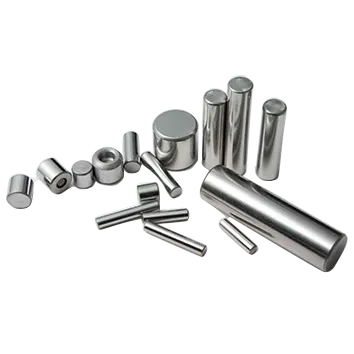
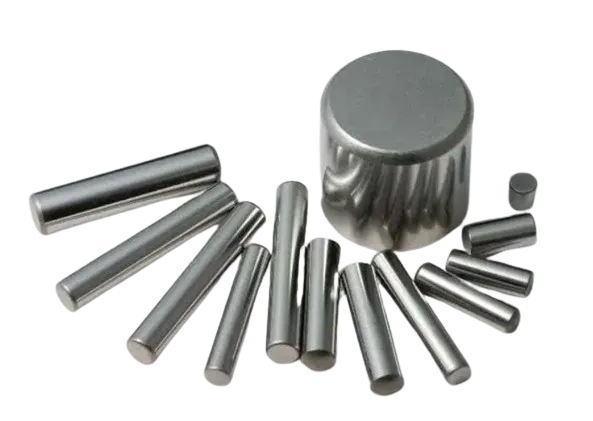
Cylindrical rollers, on the other hand, have a larger contact area with the raceways compared to ball bearings. This means they require more lubricant to prevent excessive friction and wear. Cylindrical rollers are often used in high-load applications, so the lubricant should have good load-carrying capacity and anti-wear properties. For high-speed applications, synthetic oils may be the best choice, as they can provide better lubrication at high temperatures and speeds. Check out our Cylindrical roller for industrial and wind-power bearings for more information on our high-quality cylindrical rollers.
Tapered rollers are similar to cylindrical rollers in that they have a larger contact area with the raceways. However, tapered rollers also have a tapered shape, which can create additional stress and friction during operation. This means they require a lubricant that can provide good film strength and anti-wear properties, as well as good resistance to oxidation and corrosion. Our Interroll Tapered Roller is designed to meet the demanding lubrication requirements of tapered roller applications.
In addition to the type of rolling element, the operating conditions also play a crucial role in determining the lubrication requirements. Factors such as temperature, speed, load, and environment can all affect the performance of the lubricant.
High temperatures can cause the lubricant to break down more quickly, reducing its effectiveness and increasing the risk of wear and damage to the rolling elements. In high-temperature applications, it's important to choose a lubricant with good thermal stability and oxidation resistance. Synthetic oils are often the best choice for high-temperature applications, as they can maintain their lubricating properties over a wider range of temperatures.
High speeds can also put additional stress on the lubricant, as it needs to be able to provide a continuous and stable lubricating film. In high-speed applications, the lubricant should have good viscosity and anti-wear properties, as well as good resistance to foaming and aeration. Synthetic oils are also a good choice for high-speed applications, as they can provide better lubrication at high speeds.
Heavy loads can cause the rolling elements to deform and increase the contact pressure between the rolling elements and the raceways. This can lead to increased wear and damage to the rolling elements. In high-load applications, the lubricant should have good load-carrying capacity and anti-wear properties. Greases are often used in high-load applications, as they can provide a more robust lubricating film and better protection against wear.
The environment can also have a significant impact on the lubrication requirements. For example, in wet or corrosive environments, the lubricant should have good resistance to water and corrosion. In dusty or dirty environments, the lubricant should be able to prevent the ingress of contaminants and keep the rolling elements clean.
Finally, it's important to follow the manufacturer's recommendations when it comes to lubrication. The manufacturer will typically provide specific guidelines on the type of lubricant to use, the amount of lubricant to apply, and the frequency of lubrication. Following these recommendations can help ensure the optimal performance and service life of the rolling elements.
In conclusion, lubrication is a critical aspect of maintaining the performance and longevity of rolling elements. By choosing the right type of lubricant and following the manufacturer's recommendations, you can help ensure that your rolling elements operate smoothly and efficiently. If you have any questions or need further assistance with lubrication requirements for rolling elements, please don't hesitate to contact us. We're here to help you find the best solutions for your specific needs.
References
- "Rolling Bearing Analysis" by T.A. Harris and M.N. Kotzalas
- "Lubrication Fundamentals" by Robert L. Johnson