
Hey there! As a supplier of Conical Rollers, I've seen firsthand how these little guys play a huge role in all sorts of applications. Today, I'm gonna break down the installation requirements for conical rollers in different scenarios.
Let's start with the basics. Conical rollers are pretty unique. They're designed to handle both radial and axial loads, which makes them super versatile. But getting them installed right is crucial for them to work their magic.
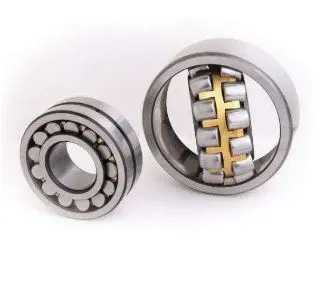
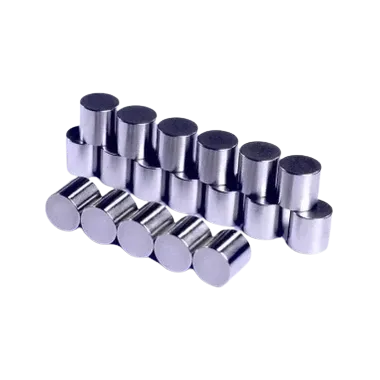
Automotive Applications
In the automotive world, conical rollers are commonly used in wheel bearings. You know, those things that let your wheels spin smoothly. When installing conical rollers in wheel bearings, the first thing you gotta do is make sure the bearing housing is clean. Any dirt or debris can mess up the whole operation.
The rollers need to be pre - loaded correctly. This means applying a specific amount of force to the rollers so they can handle the loads while driving. If the pre - load is too light, the rollers might move around too much, causing noise and premature wear. On the other hand, if it's too heavy, it can lead to overheating and increased friction.
Another important aspect is the alignment. The conical rollers need to be perfectly aligned within the bearing. Misalignment can cause uneven wear on the rollers and the raceways. You can use alignment tools to ensure everything is in place. And don't forget about the lubrication. Good quality grease is a must. It helps reduce friction and keeps the rollers cool. You can check out Taper Roller Disign for more in - depth info on the design aspects that affect installation in automotive applications.
Industrial Machinery
Industrial machinery often has more complex requirements. For example, in heavy - duty conveyor systems, conical rollers are used to support the weight of the conveyor belt and the materials being transported.
When installing conical rollers in industrial machinery, the housing needs to be precisely machined. The tolerance levels are much stricter compared to automotive applications. The rollers should fit snugly in the housing, but not so tight that they can't rotate freely.
Proper sealing is also crucial. Industrial environments can be dirty, and dust and moisture can damage the conical rollers. Seals help keep these contaminants out. You might need to choose different types of seals depending on the specific application. For instance, in a food processing plant, you'd need seals that are food - grade and resistant to cleaning chemicals.
The lubrication in industrial machinery is usually more demanding. Some applications require continuous lubrication systems, like oil mist lubrication. This ensures that the rollers are always well - lubricated, even under high - speed and high - load conditions. Check out Conical Rollers for more details on the types of conical rollers suitable for industrial machinery.
Aerospace Applications
Aerospace is a whole different ballgame. The safety and reliability requirements are extremely high. Conical rollers in aerospace applications are used in things like landing gear and engine components.
The installation process in aerospace is highly regulated. Every step needs to be documented and inspected. The materials used for the conical rollers are carefully selected for their strength, light weight, and resistance to extreme temperatures.
Before installation, the rollers need to be thoroughly inspected for any defects. Non - destructive testing methods are often used to ensure their integrity. The installation environment also needs to be clean and controlled. Even a tiny particle of dust can cause a major problem in an aerospace application.
Alignment is even more critical in aerospace. The slightest misalignment can lead to catastrophic failures. Specialized alignment equipment is used to achieve the highest level of accuracy. And the lubrication in aerospace applications is formulated to work in extreme conditions, such as high altitudes and low temperatures. You can learn more about the unique design requirements in aerospace by visiting Spherical Roller.
General Tips for Installation
No matter what the application is, there are some general tips that always apply. First, always follow the manufacturer's instructions. They know their products best and can provide the most accurate installation guidelines.
When handling conical rollers, be gentle. They're precision components, and rough handling can cause damage. Use the right tools for the job. Using improper tools can lead to incorrect installation and premature failure.
Inspect the rollers and the housing before installation. Look for any signs of damage, wear, or corrosion. If you find any issues, address them before proceeding with the installation.
Why Choose Our Conical Rollers
As a supplier, we take pride in offering high - quality conical rollers. Our rollers are made from top - notch materials and are manufactured to the highest standards. We have a wide range of conical rollers suitable for different applications, whether it's automotive, industrial, or aerospace.
We also provide excellent customer support. If you have any questions about the installation requirements or need help choosing the right conical rollers for your application, our team is here to assist you.
If you're in the market for conical rollers, I encourage you to reach out for a purchase and have a chat about your specific needs. We're confident that we can provide you with the best solution for your project.
References
- Handbook of Bearing Technology
- Automotive Engineering Textbooks
- Aerospace Manufacturing and Design Publications
So, that's a wrap on the installation requirements for conical rollers in different applications. I hope this blog has been helpful to you. If you have any more questions, feel free to ask!