
As a reputable provider of gravity taper rollers, I understand the significance of correct installation procedures to ensure the optimal performance of our products. Gravity taper rollers are crucial components in various industrial applications, from conveyor systems to heavy machinery. Their taper design allows for efficient transfer of loads and smooth operation. However, improper installation can lead to premature wear, decreased efficiency, and even complete system failure. Here are some essential installation precautions to keep in mind.
1. Inspection Before Installation
Before installing gravity taper rollers, a thorough inspection is necessary. Check for any visible damage such as cracks, dents, or scratches on the rollers themselves. These flaws can lead to uneven loading and cause the rollers to fail prematurely. Additionally, verify the dimensions of the rollers to ensure they match the specifications required for your application. Any deviation from the correct size can result in improper fit and function.
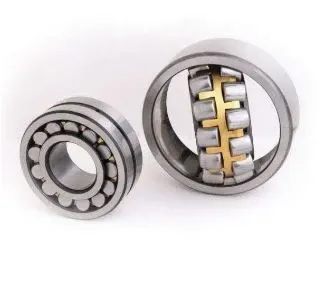
It is also important to inspect the roller bearings. Inspect the bearing surface for smoothness and check the internal clearance. Incorrect bearing clearance can lead to increased friction, heat generation, and ultimately, bearing failure. Ensure that the seals and shields of the bearings are intact and free from damage. Damaged seals can allow debris and contaminants to enter the bearing, causing premature wear.
2. Proper Handling
Gravity taper rollers are precision components, and proper handling is crucial to prevent damage. When transporting the rollers, make sure they are packed securely to avoid collisions or impacts. Use appropriate lifting equipment if the rollers are large or heavy to prevent injury and damage.
Avoid touching the rollers with bare hands as the oils and salts from our skin can cause corrosion over time. If you must handle the rollers, wear clean gloves. After handling, ensure the rollers are stored in a clean and dry environment. Exposure to moisture can lead to rust and corrosion, which can significantly reduce the lifespan of the rollers.
3. Alignment
Correct alignment is one of the most critical aspects of installing gravity taper rollers. Misalignment can cause uneven loading on the rollers, leading to premature wear and failure. Use precision alignment tools such as laser alignment systems or dial indicators to ensure the rollers are installed in a straight and parallel manner.
When installing the rollers on a conveyor system or other machinery, make sure the supporting structures are also properly aligned. Any misalignment in the support can transfer stress to the rollers and cause them to wear unevenly. Additionally, check the alignment during the operation of the equipment regularly. Vibrations and other factors can cause the alignment to shift over time, so it's essential to monitor and correct it as needed.
4. Lubrication
Proper lubrication is essential for the smooth operation and longevity of gravity taper rollers. Lubricants reduce friction between the rollers and the bearings, dissipate heat, and protect the surfaces from wear and corrosion. However, using the right type of lubricant is crucial.
Consult the manufacturer's recommendations for the appropriate lubricant for your specific rollers and application. Different types of lubricants have different properties, such as viscosity and temperature resistance. Using the wrong lubricant can lead to inadequate lubrication or even cause damage to the rollers.
When applying the lubricant, make sure to follow the correct procedures. Over-lubrication can cause the lubricant to leak out, leading to a messy workplace and potentially attracting dirt and debris. Under-lubrication, on the other hand, can cause increased friction and wear. Use the proper lubrication tools and apply the lubricant evenly across the roller surfaces and bearings.
5. Installation Tools
Using the right installation tools is crucial to ensure the correct installation of gravity taper rollers. For example, when mounting the rollers onto shafts, use appropriate press-fitting tools to avoid damaging the rollers or the shafts. Do not use hammers or other makeshift tools as they can cause impact damage and misalignment.
When tightening the fasteners, use torque wrenches to ensure the correct amount of torque is applied. Over-tightening can cause the rollers to bind, while under-tightening can lead to loose components and increased vibration. Follow the manufacturer's torque specifications for each fastener to ensure proper installation.
6. Compatibility
Ensure that the gravity taper rollers are compatible with the rest of the system. This includes the conveyor belts, sprockets, and other components in the machinery. Using incompatible components can cause increased wear on the rollers and other parts of the system.
For example, if the conveyor belt is too tight or too loose, it can put additional stress on the rollers. Make sure the belt tension is set correctly according to the manufacturer's recommendations. Also, ensure that the sprockets are the correct size and pitch to match the rollers for smooth operation.
7. Environmental Considerations
The environment in which the gravity taper rollers operate can have a significant impact on their performance and lifespan. If the equipment is operating in a dusty or dirty environment, consider installing appropriate dust seals or enclosures to protect the rollers from contaminants.
In high-temperature environments, choose lubricants with high-temperature resistance and ensure the rollers are designed to withstand the heat. Conversely, in cold environments, the lubricant's viscosity may increase, which can affect its performance. Choose a lubricant with the appropriate viscosity for the operating temperature range.
For more information on related products, you can visit Spherical Roller, Interroll Tapered Roller, and Conical Rollers.
Conclusion
In conclusion, the installation of gravity taper rollers requires careful attention to detail and adherence to proper procedures. By following these installation precautions, you can ensure the optimal performance and longevity of our gravity taper rollers. Whether you are using the rollers in a conveyor system, heavy machinery, or other industrial applications, correct installation is the key to a reliable and efficient operation.
If you have any questions or are interested in purchasing our high - quality gravity taper rollers, feel free to contact us for further discussions. We are committed to providing the best products and services to meet your industrial needs.
References
- Machinery's Handbook, 31st Edition
- Handbook of Conveyor Systems Design and Operation
- Bearing Installation and Maintenance Guidelines, SKF