
As a supplier of Cold Heading Punches, I've witnessed firsthand the dynamic nature of the market and the numerous factors that can influence the price of these essential tools. Cold Heading Punches are crucial in the cold heading process, which is used to manufacture a wide range of fasteners and precision components. Understanding the factors that affect their price is not only important for us as suppliers but also for our customers who are looking to make informed purchasing decisions.
Material Quality
One of the most significant factors affecting the price of Cold Heading Punches is the quality of the materials used in their production. High - quality materials are essential for punches to withstand the high pressures and stresses encountered during the cold heading process. For instance, punches made from premium grade tool steels or carbide offer superior hardness, wear resistance, and toughness compared to those made from lower - grade materials.
Carbide is a popular choice for Cold Heading Punches due to its excellent hardness and wear resistance. However, carbide is also more expensive than tool steel. The cost of carbide can vary depending on the grade and composition. Higher - grade carbides with a higher percentage of tungsten carbide and a finer grain size are more expensive but offer better performance and longer tool life. Cold Heading Punches made from such high - quality carbides are priced accordingly.
On the other hand, tool steel punches are more affordable but may not have the same level of performance as carbide punches. The quality of tool steel can also vary, with high - speed steels (HSS) being more expensive than conventional tool steels. HSS punches are heat - treated to achieve high hardness and wear resistance, making them suitable for applications where carbide punches may be overkill or too expensive.
Manufacturing Process
The manufacturing process of Cold Heading Punches also plays a crucial role in determining their price. Precision manufacturing techniques are required to produce punches with the exact dimensions and surface finish needed for optimal performance.
CNC machining is a common manufacturing method for Cold Heading Punches. This process allows for high precision and repeatability, ensuring that each punch meets the required specifications. However, CNC machining is a relatively expensive process due to the cost of the equipment, programming, and skilled labor. Punches that are manufactured using advanced CNC machining techniques are likely to be more expensive than those made using simpler manufacturing methods.
In addition to CNC machining, other processes such as grinding, heat treatment, and coating can also affect the price of Cold Heading Punches. Grinding is used to achieve the desired surface finish and dimensional accuracy of the punches. Heat treatment is essential to improve the hardness and toughness of the punches. Coating the punches with materials such as titanium nitride (TiN) or titanium carbonitride (TiCN) can enhance their wear resistance and reduce friction, but these coating processes add to the overall cost of the punches.
Design Complexity
The design complexity of Cold Heading Punches is another factor that influences their price. Punches with simple designs are generally less expensive to manufacture than those with complex designs.
Simple punches, such as straight punches or punches with basic shapes, require less machining time and fewer manufacturing steps. This reduces the cost of production and, consequently, the price of the punches. On the other hand, punches with complex shapes, such as multi - step punches or punches with intricate geometries, require more advanced manufacturing techniques and longer machining times.
For example, a punch with a custom - designed tip for a specific cold heading application may be more expensive than a standard punch. The design process for such custom punches involves detailed engineering and prototyping, which adds to the cost. Additionally, the manufacturing of complex punches may require specialized tooling and equipment, further increasing the price.
Market Demand and Supply
The basic economic principle of supply and demand also has a significant impact on the price of Cold Heading Punches. When the demand for Cold Heading Punches is high and the supply is limited, the prices tend to increase. Conversely, when the supply exceeds the demand, the prices may decrease.
The demand for Cold Heading Punches is closely related to the overall health of the manufacturing industry. In times of economic growth, the demand for fasteners and precision components increases, leading to a higher demand for Cold Heading Punches. This can drive up the prices of punches as suppliers may struggle to meet the increased demand.
On the supply side, factors such as raw material availability, production capacity, and competition among suppliers can affect the supply of Cold Heading Punches. If there is a shortage of raw materials, such as carbide or tool steel, the production of punches may be disrupted, leading to a decrease in supply and an increase in prices. Additionally, if a large number of suppliers enter the market, the competition may drive down the prices as suppliers try to attract customers.
Brand and Reputation
The brand and reputation of the supplier can also influence the price of Cold Heading Punches. Well - established brands with a good reputation for quality and reliability often charge a premium for their products.
Customers are often willing to pay more for Cold Heading Punches from a trusted brand because they believe that they will get a higher - quality product with better performance and longer tool life. A reputable brand is likely to have strict quality control measures in place, ensuring that each punch meets the highest standards. They may also offer better customer service and technical support, which adds value to the product.
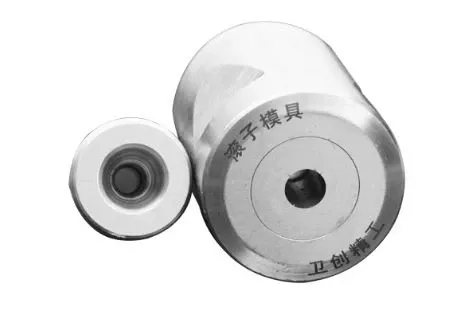
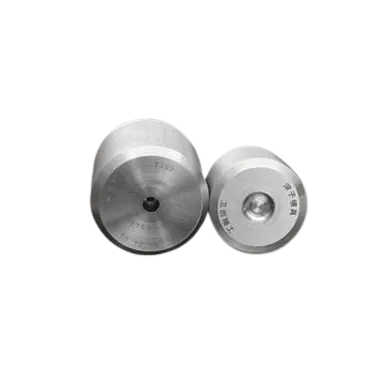
In contrast, lesser - known brands or suppliers may offer Cold Heading Punches at a lower price. However, customers may be more hesitant to purchase from these suppliers due to concerns about quality and reliability.
Application and Performance Requirements
The specific application and performance requirements of the Cold Heading Punches can also affect their price. Punches that are designed for high - volume production or for use in demanding applications may be more expensive than those for general - purpose use.
For example, punches used in the automotive industry, where high precision and reliability are crucial, are likely to be more expensive than punches used in less critical applications. These automotive - grade punches need to meet strict quality standards and may require additional testing and certification, which adds to the cost.
Similarly, punches that are required to have a long tool life or to operate at high speeds may be priced higher. These punches often use advanced materials and manufacturing processes to achieve the desired performance, resulting in a higher price tag.
Conclusion
In conclusion, the price of Cold Heading Punches is influenced by a variety of factors, including material quality, manufacturing process, design complexity, market demand and supply, brand and reputation, and application and performance requirements. As a supplier, we understand the importance of providing our customers with high - quality Cold Heading Punches at a competitive price.
We strive to balance the cost of production with the performance and quality of our punches. By using the latest manufacturing technologies and sourcing high - quality materials, we can offer punches that meet the diverse needs of our customers. Whether you are looking for Cold Heading Punches, Quill COD, or Carbide Cold Heading Dies, we are here to help.
If you are interested in purchasing Cold Heading Punches or have any questions about our products, please feel free to contact us. We are more than happy to discuss your specific requirements and provide you with a customized solution.
References
- "Tool and Die Materials Handbook" by ASM International
- "Manufacturing Engineering and Technology" by S. Kalpakjian and S. R. Schmid
- Industry reports on the cold heading tools market.