
Conical rollers are vital components in numerous industrial applications, offering unique advantages over other types of rollers. As a seasoned conical roller supplier, I've witnessed firsthand their versatility and importance in various sectors. In this blog post, we'll explore the different types of conical rollers, their characteristics, and applications.
Straight Conical Rollers
Straight conical rollers are the most basic type, with a simple conical shape that tapers gradually from one end to the other. This design allows them to handle both radial and axial loads effectively. They are commonly used in tapered roller bearings, which are essential in automotive transmissions, axle assemblies, and industrial machinery.
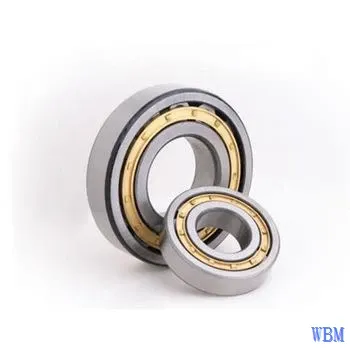
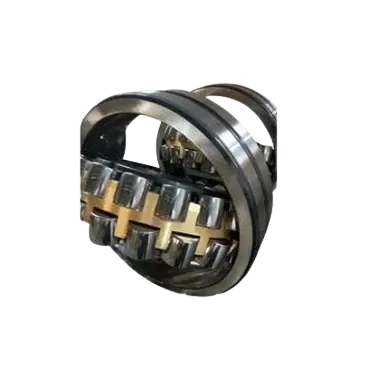
The straight conical shape enables the rollers to distribute the load evenly across the bearing surface, reducing stress concentrations and extending the bearing's lifespan. Additionally, the tapered design helps to align the rollers within the bearing, ensuring smooth operation and minimizing friction.
Spherical Conical Rollers
Spherical Roller are a specialized type of conical roller with a curved outer surface. This design provides several advantages, including the ability to accommodate misalignment and angular deflection. Spherical conical rollers are commonly used in applications where the shaft may be subject to bending or misalignment, such as in heavy-duty industrial equipment and large-scale machinery.
The spherical shape of the rollers allows them to self-align within the bearing, compensating for any misalignment between the shaft and the housing. This helps to reduce wear and tear on the bearing components, improving reliability and reducing maintenance costs.
Crowned Conical Rollers
Crowned conical rollers feature a slightly curved profile along their length, resembling a crown. This design helps to reduce edge stress and improve load distribution, especially in applications with high radial loads or misaligned shafts. Crowned conical rollers are commonly used in heavy machinery, such as mining equipment, construction machinery, and agricultural machinery.
The crowning of the rollers helps to prevent the concentration of stress at the edges, which can lead to premature failure of the bearing. By distributing the load more evenly across the roller surface, crowned conical rollers can increase the bearing's load-carrying capacity and extend its service life.
Tapered Cylindrical Rollers
Tapered Cylindrical Roller combine the characteristics of cylindrical and conical rollers. They have a cylindrical shape with a tapered end, allowing them to handle both radial and axial loads. Tapered cylindrical rollers are commonly used in applications where a high degree of precision and load-carrying capacity is required, such as in machine tools, aerospace equipment, and high-speed rotating machinery.
The tapered end of the rollers helps to guide them within the bearing, ensuring proper alignment and reducing friction. This design also allows the rollers to carry higher axial loads than standard cylindrical rollers, making them suitable for applications with complex loading conditions.
Gravity Taper Rollers
Gravity Taper Rollers are designed to use gravity to convey materials along an inclined plane. They are commonly used in conveyor systems, sorting machines, and material handling equipment. Gravity taper rollers have a conical shape that allows them to rotate at different speeds, depending on the position along the conveyor.
This design enables the rollers to move materials smoothly and efficiently, without the need for external power sources. Gravity taper rollers are particularly useful in applications where energy efficiency and cost savings are important considerations.
Applications of Conical Rollers
Conical rollers are used in a wide range of applications across various industries. Here are some common examples:
- Automotive Industry: Conical rollers are used in tapered roller bearings in automotive transmissions, axle assemblies, and wheel hubs. They help to support the weight of the vehicle and transmit power from the engine to the wheels.
- Industrial Machinery: Conical rollers are used in a variety of industrial machinery, including machine tools, conveyors, and printing presses. They provide high load-carrying capacity and smooth operation, making them ideal for heavy-duty applications.
- Aerospace Industry: Conical rollers are used in aerospace equipment, such as aircraft engines, landing gears, and control systems. They must meet strict performance and reliability requirements to ensure the safety and efficiency of the aircraft.
- Mining and Construction Industry: Conical rollers are used in mining and construction equipment, such as crushers, conveyors, and excavators. They can withstand harsh operating conditions and heavy loads, making them essential for these demanding applications.
- Material Handling Industry: Conical rollers are used in material handling equipment, such as conveyor systems, sorting machines, and palletizers. They help to move materials quickly and efficiently, improving productivity and reducing labor costs.
Conclusion
Conical rollers are a diverse and essential component in many industrial applications. Each type of conical roller offers unique advantages, depending on the specific requirements of the application. As a conical roller supplier, we understand the importance of providing high-quality products that meet the needs of our customers.
If you're in the market for conical rollers or have any questions about our products, please don't hesitate to contact us. Our team of experts is ready to assist you in selecting the right conical rollers for your application and providing you with the best possible service.
References
- "Rolling Element Bearings: Analysis, Design, and Application" by J. Anthony Seireg and R. G. Dandage
- "Bearing Design in Machinery: Engineering Tribology and Lubrication" by A. A. Raimondi and J. Boyd
- "Mechanical Design Handbook" by Myer Kutz