
Hey there! As a supplier of Cold Heading Punches, I've seen firsthand the unique requirements of different cold - heading machines. In this blog, I'll break down the differences in Cold Heading Punches for various cold - heading machines.
First off, let's understand what cold heading is. Cold heading is a metal forming process where a wire or rod is cold - formed into a desired shape using dies and punches. It's a cost - effective way to produce high - volume parts with excellent dimensional accuracy. Now, different cold - heading machines have different setups, speeds, and production requirements, which in turn demand different types of Cold Heading Punches.
Single - Station Cold - Heading Machines
Single - station cold - heading machines are relatively simple. They perform one cold - heading operation at a time. The Cold Heading Punches for these machines are usually straightforward. They need to be robust enough to handle the single - shot force applied during the cold - heading process.
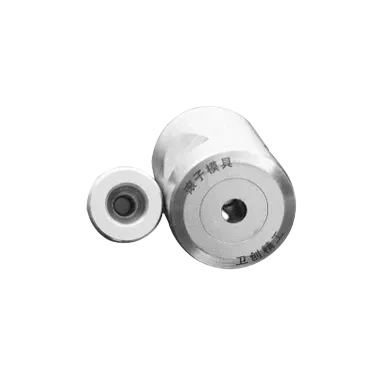
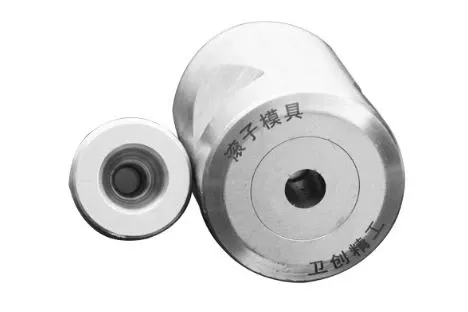
The design of these punches is often less complex compared to those for multi - station machines. They are typically made from high - strength tool steels or carbides. Carbide punches are a popular choice because they offer high wear resistance, which is crucial when dealing with high - volume production on single - station machines. For example, if you're using a single - station machine to produce small fasteners like nails or small rivets, a carbide punch can last a long time, reducing the need for frequent replacements.
However, the size and shape of the punches are directly related to the final product. If you're making a nail with a flat head, the punch will have a flat end to form that shape. And since single - station machines work at a relatively slower pace compared to multi - station ones, the punches don't need to be as optimized for high - speed performance.
Multi - Station Cold - Heading Machines
Multi - station cold - heading machines are the workhorses of the industry. They can perform multiple cold - heading operations in a single cycle, which means they can produce complex parts much faster. The Cold Heading Punches for these machines have to be designed with precision and speed in mind.
One of the key differences is the need for synchronization. The punches in a multi - station machine need to work in harmony with each other and with the dies. For instance, in a four - station machine, the first punch might start the initial shaping of the wire, and then subsequent punches will refine the shape in each successive station. This requires very accurate timing and alignment of the punches.
The materials used for multi - station machine punches also need to be of the highest quality. Carbides are still a top choice, but they need to be even more precisely engineered. The punches have to withstand high - speed impacts and repeated stress cycles. Additionally, the design of the punches for multi - station machines often includes features to improve chip evacuation. When the metal is being formed, chips can accumulate, which can affect the quality of the final product and damage the punches. So, punches for multi - station machines might have special grooves or channels to help remove these chips.
High - Speed Cold - Heading Machines
High - speed cold - heading machines take things to the next level. These machines can produce parts at extremely high rates, sometimes thousands of pieces per hour. The Cold Heading Punches for high - speed machines face some of the most demanding conditions.
The biggest challenge for punches in high - speed machines is heat generation. The rapid succession of impacts creates a lot of heat, which can cause the punches to wear out quickly or even deform. To combat this, special heat - resistant coatings are often applied to the punches. These coatings can reduce friction and dissipate heat, extending the life of the punches.
The geometry of the punches is also optimized for high - speed performance. They are designed to minimize the time it takes to form the part. For example, the tip of the punch might be shaped in a way that allows for faster penetration into the wire or rod. And since high - speed machines are often used for mass - producing small parts, the punches need to be small and lightweight while still maintaining their strength.
Cold - Heading Machines for Specialized Applications
There are also cold - heading machines designed for specialized applications, such as producing parts with unique shapes or using exotic materials. The Cold Heading Punches for these machines are highly customized.
If you're working with a material like titanium, which is very strong and difficult to form, the punches need to be made from extremely hard materials. Carbide punches might not be enough; in some cases, special ceramic - based materials could be used. These materials can withstand the high forces required to form titanium parts.
For producing parts with complex shapes, like those with internal threads or non - standard geometries, the punches have to be precisely machined. They might have multiple steps or profiles to create the desired shape. For example, if you're making a part with an internal hexagonal socket, the punch will have a hexagonal tip to form that shape.
Accessories and Related Tools
When it comes to cold - heading, it's not just about the punches. There are other important tools and accessories that work in conjunction with the Cold Heading Punches. For example, the Carbidecut Off Die COD is used to cut the wire or rod to the correct length before the cold - heading process. It needs to be sharp and durable to ensure clean cuts.
The Feed Roll is another crucial component. It feeds the wire or rod into the cold - heading machine at a consistent rate. A well - designed feed roll can improve the overall efficiency of the cold - heading process and ensure the quality of the final product.
And let's not forget about the Quill COD. It plays an important role in guiding the punch and providing support during the cold - heading operation. A high - quality quill can help reduce punch breakage and improve the accuracy of the formed parts.
Conclusion
In conclusion, the differences in Cold Heading Punches for different cold - heading machines are significant. From the simple single - station machines to the high - speed and specialized ones, each type of machine requires punches that are tailored to its specific requirements. Whether it's the material, design, or additional features, the punches need to be optimized for the machine's speed, production volume, and the complexity of the parts being produced.
If you're in the market for Cold Heading Punches or any of the related tools and accessories, I'd love to have a chat with you. We can discuss your specific needs and find the best solutions for your cold - heading operations. Don't hesitate to reach out for a procurement discussion.
References
- Metals Handbook: Forming and Forging, ASM International
- Cold Heading Technology: Principles and Applications, Industry Press