
Rolling elements are crucial components in various mechanical systems, providing support and reducing friction between moving parts. Steel and plastic are two common materials used to manufacture these elements, each with its unique set of properties, advantages, and limitations. As a leading supplier of rolling elements, I've witnessed firsthand how the choice between steel and plastic can significantly impact the performance and longevity of a system. In this blog, I'll explore the differences between steel and plastic rolling elements, helping you make an informed decision for your specific application.
Material Properties
Steel Rolling Elements
Steel is a well - known and widely used material for rolling elements. It is an alloy primarily composed of iron and carbon, with other elements added to enhance specific properties. The high strength and hardness of steel make it suitable for applications that require withstanding heavy loads and high pressures. For example, in industrial machinery where large forces are involved, steel rolling elements can maintain their shape and integrity under extreme conditions.
The surface finish of steel rolling elements can be highly polished, which reduces friction and wear. This is particularly important in high - speed applications, such as in the bearings of electric motors. Steel also has excellent heat resistance, allowing it to operate in environments with elevated temperatures without significant degradation of its mechanical properties.
However, steel is relatively heavy compared to plastic. This can be a drawback in applications where weight is a critical factor, such as in aerospace or automotive industries where reducing weight can improve fuel efficiency. Additionally, steel is prone to corrosion if not properly treated. Rust can compromise the surface finish and structural integrity of the rolling elements, leading to premature failure.
Plastic Rolling Elements
Plastic rolling elements are typically made from polymers such as nylon, polycarbonate, or polyethylene. These materials offer several advantages over steel. One of the most significant benefits is their low weight. Plastic is much lighter than steel, which can be a game - changer in applications where weight reduction is essential. For instance, in portable devices or lightweight machinery, plastic rolling elements can contribute to overall weight savings.
Plastic also has excellent corrosion resistance. Unlike steel, plastic does not rust or corrode when exposed to moisture or chemicals. This makes it suitable for use in harsh environments, such as in marine or chemical processing industries. Moreover, plastic rolling elements can dampen vibrations and reduce noise levels. This is beneficial in applications where quiet operation is desired, like in household appliances or office equipment.
On the other hand, plastic has lower strength and hardness compared to steel. It may not be able to withstand extremely heavy loads or high pressures without deforming. Plastic also has a relatively low melting point, which limits its use in high - temperature applications. Exposure to high temperatures can cause plastic to soften, warp, or even melt, rendering the rolling elements ineffective.
Performance in Different Applications
High - Load Applications
In applications that involve high loads, such as heavy - duty industrial machinery or large - scale construction equipment, steel rolling elements are often the preferred choice. Their high strength and hardness allow them to support significant weights without deforming. For example, in a large - scale manufacturing plant, the bearings in a heavy - duty conveyor system may use steel rolling elements to handle the continuous movement of heavy materials.
However, advancements in plastic technology have led to the development of high - performance plastics that can withstand relatively high loads. Some engineered plastics are reinforced with fibers or other additives to enhance their strength. While they may not match the load - bearing capacity of steel in extreme cases, they can still be suitable for medium - load applications where weight and corrosion resistance are important factors.
High - Speed Applications
Steel rolling elements are well - suited for high - speed applications due to their low friction and high - precision surface finish. In the aerospace industry, for example, the bearings in jet engines use steel rolling elements to ensure smooth and efficient operation at extremely high rotational speeds. The ability of steel to maintain its shape and performance under high - speed conditions is crucial for the safety and reliability of the aircraft.
Plastic rolling elements, while generally not as suitable for the highest - speed applications, can be used in moderate - speed scenarios. Their ability to dampen vibrations and reduce noise can be an advantage in some high - speed applications where noise reduction is a priority. For instance, in some consumer electronics, plastic rolling elements may be used in the fans or small motors to provide a quieter operation.
Corrosive Environments
When it comes to corrosive environments, plastic rolling elements have a clear advantage. In the chemical processing industry, where equipment is exposed to various corrosive chemicals, plastic rolling elements can resist the effects of corrosion and ensure long - term performance. They do not require additional protective coatings or treatments to prevent rusting, which simplifies maintenance and reduces costs.
Steel rolling elements can be used in corrosive environments, but they need to be properly protected. This may involve applying corrosion - resistant coatings, using stainless steel alloys, or implementing a regular maintenance schedule to prevent rust. However, these additional measures can increase the cost and complexity of using steel rolling elements in such environments.
Cost Considerations
Initial Cost
The initial cost of steel rolling elements is generally higher than that of plastic rolling elements. Steel is a more expensive raw material, and the manufacturing processes for steel rolling elements, such as forging and heat treatment, can be complex and costly. Additionally, the need for corrosion - protection treatments in some applications further adds to the cost.
Plastic rolling elements, on the other hand, are relatively inexpensive to produce. The raw materials are less costly, and the manufacturing processes, such as injection molding, are often simpler and more cost - effective. This makes plastic rolling elements an attractive option for budget - conscious applications.
Long - Term Cost
In terms of long - term cost, the situation can be more complex. While steel rolling elements have a higher initial cost, they may have a longer service life in applications where they are well - suited. Their high strength and durability can reduce the frequency of replacements, which can offset the initial investment over time.
Plastic rolling elements may need to be replaced more frequently, especially in applications where they are exposed to high loads or temperatures. However, their low cost and ease of replacement can still make them a cost - effective option in some cases. For example, in disposable or low - cost consumer products, the short service life of plastic rolling elements may be acceptable given the low replacement cost.
Examples of Products
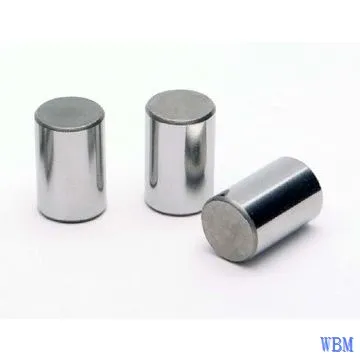
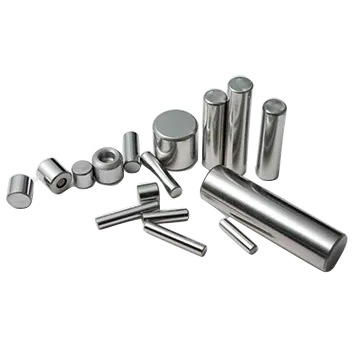
If you are interested in specific products, we offer a wide range of rolling elements. For instance, the Interroll Tapered Roller is a high - quality steel rolling element suitable for various industrial applications. It is designed to handle both radial and axial loads effectively, providing reliable performance in demanding environments.
Another product is the Cylindrical roller for industrial and wind - power bearings. This roller is available in both steel and plastic options, allowing you to choose the material that best suits your needs. The steel version offers high strength and durability, while the plastic version provides benefits such as low weight and corrosion resistance.
Conclusion
In conclusion, the choice between steel and plastic rolling elements depends on a variety of factors, including the application requirements, load capacity, speed, environmental conditions, and cost. Steel rolling elements are ideal for high - load, high - speed, and applications where strength and precision are crucial. They offer excellent performance under extreme conditions but may require additional corrosion protection.
Plastic rolling elements, on the other hand, are a great option for applications where weight reduction, corrosion resistance, noise reduction, and low cost are important. While they have limitations in terms of strength and temperature resistance, advancements in plastic technology are continuously expanding their range of applications.
As a supplier of rolling elements, I understand the importance of choosing the right material for your specific needs. Whether you need high - performance steel rolling elements or lightweight plastic ones, we have the expertise and products to meet your requirements. If you are interested in purchasing rolling elements or have any questions about which material is best for your application, please don't hesitate to contact us for a detailed discussion and a customized solution.
References
- "Materials Science and Engineering: An Introduction" by William D. Callister, Jr. and David G. Rethwisch
- "Rolling Bearing Analysis" by Tedric A. Harris and Michael N. Kotzalas
- Industry reports on rolling element manufacturing and applications from various industry associations.