
Hey there! I'm a supplier of cylindrical rollers, and today I wanna chat about the differences between cylindrical rollers and other types of rollers. It's super important to know these differences, whether you're in the industry or just curious about how things work.
Let's start with the basics. Cylindrical rollers are, well, shaped like cylinders. They have a straight, parallel surface along their length. This shape gives them some unique characteristics that set them apart from other roller types.
One of the main differences is in the way they handle loads. Cylindrical rollers are great at handling high radial loads. Because of their cylindrical shape, they distribute the load evenly across their surface. This means they can take a lot of pressure without getting damaged easily. For example, in heavy - duty machinery like large industrial conveyors, cylindrical rollers are often the go - to choice. They can keep the conveyor running smoothly even when there's a lot of weight on it.
Now, let's talk about Gravity Taper Roller. These rollers are tapered, which means they're wider at one end than the other. This unique shape allows them to handle both radial and axial loads. Axial loads are those that act along the axis of the roller, while radial loads act perpendicular to it. Gravity taper rollers are commonly used in applications where there are complex load conditions, like in automotive transmissions. They can transfer power efficiently while also dealing with the forces that try to push the components out of alignment.
Compared to cylindrical rollers, gravity taper rollers are more versatile in terms of load handling but might not be as good at handling extremely high radial loads as cylindrical rollers. The tapered shape also means that they need to be installed more precisely. If they're not installed correctly, it can lead to uneven wear and reduced performance.
Another type of roller is the Taper Rollers. Similar to gravity taper rollers, taper rollers are also tapered. However, they are designed for different applications. Taper rollers are often used in bearings where they need to support large axial and radial loads simultaneously. They're commonly found in wheel hubs of vehicles. The taper design helps in guiding the rollers and ensuring smooth rotation.
In contrast, cylindrical rollers are mainly focused on radial load support. Taper rollers have a more complex contact pattern with the raceways due to their tapered shape. This can make them more suitable for applications where precise alignment and control of movement are required. But again, their installation and maintenance are more critical compared to cylindrical rollers.
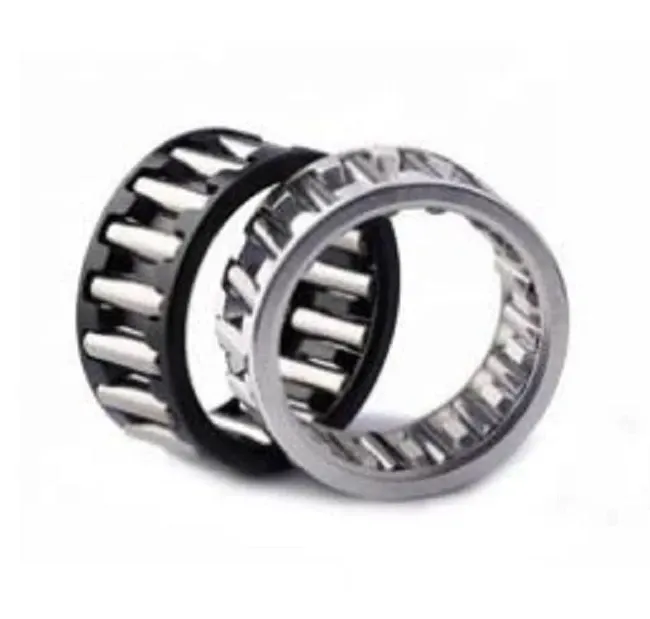
Then there are Needle Roller. Needle rollers are long and thin, like needles. They have a high length - to - diameter ratio. This makes them ideal for applications where space is limited. For example, in small motors or precision instruments, needle rollers can provide support in a compact design.
Cylindrical rollers, on the other hand, are generally larger in diameter and are used in applications where more load - bearing capacity is needed. Needle rollers can handle relatively lower loads compared to cylindrical rollers because of their small cross - sectional area. But they make up for it with their ability to fit into tight spaces.
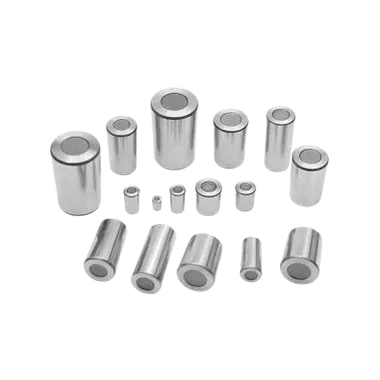
Let's also talk about the manufacturing process. Cylindrical rollers are relatively easier to manufacture compared to some of the other types. Their simple cylindrical shape means that the machining and finishing processes are more straightforward. This can result in lower production costs, especially for large - scale manufacturing.
Tapered rollers, whether gravity taper rollers or regular taper rollers, require more precise machining to achieve the correct taper angle. This makes their manufacturing process more complex and potentially more expensive. Needle rollers also need specialized manufacturing techniques to ensure their long and thin shape is accurate and consistent.
In terms of lubrication, cylindrical rollers usually require a lubricant that can form a thick film to protect the surface from wear under high radial loads. The lubricant needs to be able to withstand the pressure and keep the rollers moving smoothly. Taper rollers, due to their more complex contact pattern, may require a lubricant that can also handle the additional forces and ensure proper alignment of the rollers. Needle rollers, because of their small size, need a lubricant that can penetrate easily into the tight spaces between the rollers and the raceways.
When it comes to durability, cylindrical rollers can last a long time if they're used within their load - capacity limits. Their simple design means there are fewer parts that can fail. Taper rollers, however, may be more prone to wear if they're not properly maintained or if the load conditions are not within their design specifications. Needle rollers can also be sensitive to shock loads and contaminants, which can reduce their lifespan.
So, if you're in the market for rollers, it's crucial to consider your specific application requirements. If you need to handle high radial loads and cost - effectiveness is important, cylindrical rollers might be the best choice. If you have complex load conditions with both radial and axial loads, then gravity taper rollers or taper rollers could be more suitable. And if space is a major constraint, needle rollers are worth considering.
As a cylindrical roller supplier, I can offer high - quality cylindrical rollers that are designed to meet your specific needs. Whether you're in the manufacturing, automotive, or any other industry that requires reliable roller solutions, I'm here to help. If you're interested in discussing your requirements further or getting a quote, don't hesitate to reach out. I'd love to have a chat and see how I can assist you in finding the perfect cylindrical rollers for your application.
References
- Machinery's Handbook, 31st Edition
- Handbook of Bearings and Seals
- Journal of Tribology, various issues related to roller design and performance