
Hey there! As a supplier of Gravity Taper Rollers, I'm stoked to share with you all the awesome customization options we've got. Gravity taper rollers are super important in a bunch of industries, like automotive, aerospace, and heavy machinery. They help reduce friction and handle heavy loads, making them a key part of many mechanical systems. So, let's dig into the different ways you can customize these bad boys.
Material Selection
One of the first things you can customize is the material of the gravity taper rollers. The choice of material depends on the specific application and the conditions the rollers will be exposed to.
For high - performance applications where strength and durability are crucial, we often recommend high - carbon chromium steel. This type of steel can withstand high pressures and has excellent wear resistance. It's commonly used in automotive transmissions and industrial gearboxes.
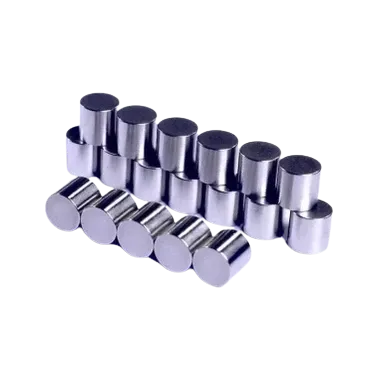
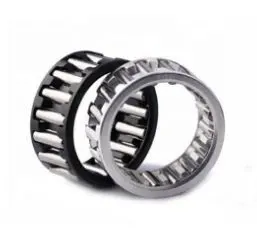
If corrosion resistance is a top priority, stainless steel is a great option. Stainless steel gravity taper rollers are perfect for applications in harsh environments, such as marine equipment or food processing machinery. They won't rust or corrode easily, ensuring a long service life.
There are also ceramic materials available for those ultra - high - performance applications. Ceramic gravity taper rollers are lightweight, have a low coefficient of friction, and can operate at very high speeds and temperatures. They're often used in high - end aerospace and racing applications.
Size and Dimensions
The size and dimensions of gravity taper rollers can be customized to fit your exact needs. We can adjust the diameter, length, and taper angle of the rollers.
The diameter of the roller affects its load - carrying capacity. A larger diameter roller can handle more weight, while a smaller diameter may be more suitable for applications with limited space. The length of the roller also plays a role in load distribution. Longer rollers can distribute the load over a larger area, reducing stress on the contact surfaces.
The taper angle is another important parameter. Different taper angles are used for different applications. A steeper taper angle can provide better thrust - load handling, while a shallower angle may be better for radial - load applications. Whether you need a standard size or a custom - made one, we've got you covered.
Surface Finish
The surface finish of gravity taper rollers can have a big impact on their performance. A smooth surface finish reduces friction and wear, which in turn improves the efficiency and lifespan of the rollers.
We offer different levels of surface finish, from a basic smooth finish to a super - polished one. For applications where noise reduction is important, a highly polished surface can help minimize vibrations and noise. In some cases, we can also apply special coatings to the surface of the rollers. These coatings can provide additional benefits, such as improved corrosion resistance or reduced friction.
Cage Design
The cage is an important part of the gravity taper roller assembly. It holds the rollers in place and ensures they roll smoothly without colliding with each other.
We have several cage design options available. The most common type is the stamped steel cage, which is cost - effective and suitable for many general - purpose applications. It provides good guidance for the rollers and is relatively easy to manufacture.
For high - speed applications, we recommend a machined brass cage. Brass cages are more precise and can better withstand the forces generated at high speeds. They also have good heat - dissipation properties, which helps prevent overheating of the rollers.
There are also plastic cages available for applications where weight reduction is a priority. Plastic cages are lightweight and can reduce the overall weight of the roller assembly, which is beneficial in some aerospace and automotive applications.
Lubrication Options
Proper lubrication is essential for the smooth operation of gravity taper rollers. We offer different lubrication options to meet your specific requirements.
For general - purpose applications, a standard grease lubrication is usually sufficient. Grease provides good protection against wear and corrosion and is easy to apply. It can also seal out contaminants, keeping the rollers clean.
In high - speed or high - temperature applications, oil lubrication may be a better choice. Oil can dissipate heat more effectively and provide better lubrication at high speeds. We can also offer special lubricants with additives that enhance the performance of the rollers, such as anti - wear additives or extreme - pressure additives.
Special Features
In addition to the above customization options, we can also add special features to the gravity taper rollers. For example, we can incorporate sensors into the rollers to monitor their performance in real - time. These sensors can measure parameters like temperature, vibration, and load, allowing for predictive maintenance and early detection of potential problems.
We can also design the rollers with special geometries to optimize their performance in specific applications. For instance, some applications may require rollers with a non - standard shape to fit into unique spaces or to provide better load distribution.
Comparing with Other Roller Types
It's worth comparing gravity taper rollers with other types of rollers to understand their unique advantages. You can check out Needle Roller and Conical Rollers and Cylindrical Roller for more information on these alternatives.
Needle rollers are very thin and long, which makes them suitable for applications with limited radial space. However, they have a lower load - carrying capacity compared to gravity taper rollers. Conical rollers, on the other hand, are similar to gravity taper rollers but may have different design features depending on the application. Cylindrical rollers are mainly used for radial - load applications and may not be as effective in handling thrust loads as gravity taper rollers.
Conclusion
As you can see, there are tons of customization options for gravity taper rollers. Whether you need a specific material, size, surface finish, or special feature, we can work with you to create the perfect solution for your application.
If you're in the market for gravity taper rollers and want to explore these customization options further, don't hesitate to reach out. We're here to help you find the best - fitting rollers for your needs. Just contact us, and we'll start the process of getting you the ideal gravity taper rollers for your business.
References
- Handbook of Bearings and Rolling Elements
- Industrial Machinery Design and Application Guide
- Automotive Engineering Manual