
Hey there! As a supplier of Taper Roller Disign, I've seen firsthand how crucial it is to get the sealing right in taper roller design. Sealing isn't just an afterthought; it's a fundamental aspect that can make or break the performance and longevity of these components. So, let's dive into the key considerations for sealing in taper roller design.
Environmental Factors
The first thing we gotta think about is the environment where the taper roller will be used. Is it a clean, indoor setting, or is it out in the wild, exposed to dirt, dust, and moisture? In harsh environments, like mining or construction sites, the seals need to be tough as nails. They've got to keep out all the grit and grime that could damage the rollers and bearings.
For example, if the taper rollers are going to be used in a factory where there's a lot of dust, we need to choose a seal that can create a tight barrier. A contact seal, like a rubber lip seal, can work well here. It presses against the shaft or housing, preventing dust particles from getting in. But we also have to consider the heat generated by the operation. In high - temperature environments, a regular rubber seal might not hold up. That's where we might look at seals made from materials like Viton, which can withstand higher temperatures.
On the other hand, in a relatively clean environment, like a precision machinery application, we might be able to get away with a non - contact seal. These seals, such as labyrinth seals, use a series of曲折 paths to prevent contaminants from entering. They don't create as much friction as contact seals, which is great for applications where minimizing power loss is important.
Lubrication Requirements
Lubrication is another biggie. Taper rollers need proper lubrication to reduce friction, prevent wear, and dissipate heat. The type of lubricant used can influence the choice of seal.
If we're using oil lubrication, we need a seal that can contain the oil within the bearing. A good oil - retaining seal will prevent oil leakage, which not only saves on lubricant costs but also keeps the surrounding area clean. Some seals are designed specifically for oil lubrication, with features like special lip designs that can better hold the oil in place.
For grease - lubricated taper rollers, the seal needs to keep the grease inside and prevent contaminants from mixing with it. Grease has a different consistency than oil, so the seal design has to account for that. A seal with a good sealing lip geometry can help maintain the grease in the bearing and keep it from being squeezed out during operation.
Compatibility with Materials
The materials used in the taper roller design and the seal have to play nice together. The seal material needs to be compatible with the roller and bearing materials to avoid any chemical reactions or degradation.
For instance, if the taper rollers are made of a particular type of steel, the seal material shouldn't corrode or react with that steel. Similarly, if there are any coatings on the rollers or housing, the seal material should be able to withstand them.
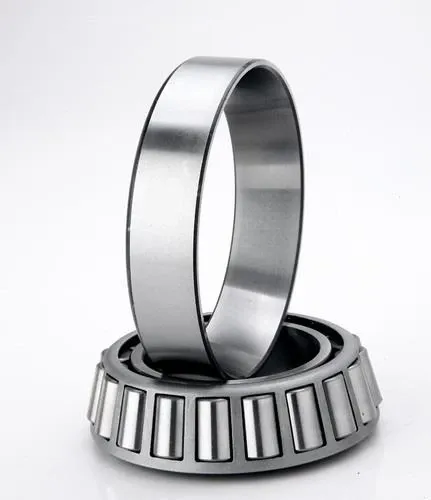
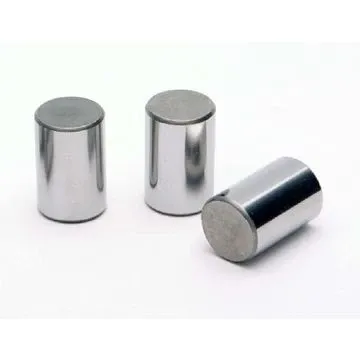
We also need to consider the compatibility with any cleaning agents or chemicals that might come into contact with the taper rollers. In some industrial applications, the equipment might be cleaned regularly with strong solvents. The seal has to be resistant to these chemicals to maintain its integrity.
Design and Installation
The design of the seal itself is crucial. It needs to fit properly with the taper roller assembly. A poorly designed seal can lead to leakage, increased friction, or premature failure.
The shape and size of the seal have to match the dimensions of the bearing and the shaft. During the installation process, it's important to follow the correct procedures. Improper installation can cause the seal to be misaligned or damaged, reducing its effectiveness.
For example, when installing a rubber seal, we need to make sure it's seated correctly and not twisted. Some seals come with installation instructions, and it's essential to follow them to the letter.
Cost - Effectiveness
Let's face it, cost matters. As a supplier, we always want to provide our customers with the best solution at a reasonable price. When choosing a seal for taper roller design, we need to balance performance and cost.
There are different types of seals available, each with its own price point. A high - end, specialized seal might offer excellent performance but could be quite expensive. In some cases, a more cost - effective seal that still meets the basic requirements might be a better choice.
We also need to consider the long - term costs. A cheaper seal that needs to be replaced frequently might end up costing more in the long run than a more expensive but durable seal.
Performance Requirements
The performance requirements of the taper roller application will also influence the sealing design. For high - speed applications, the seal needs to be able to handle the centrifugal forces generated. A seal that can maintain its sealing performance at high speeds is essential to prevent oil or grease leakage and to keep contaminants out.
In applications where there are high loads, the seal has to be able to withstand the pressure. A robust seal design can help prevent the ingress of contaminants under heavy loads.
Maintenance and Serviceability
Finally, we need to think about maintenance and serviceability. A seal that's easy to replace can save a lot of time and money during maintenance. Some seals are designed for quick and easy replacement, which is great for applications where downtime needs to be minimized.
In addition, the seal should be able to provide some indication of its condition. For example, a seal with a visible wear indicator can help maintenance personnel know when it's time to replace the seal before it fails completely.
If you're in the market for Taper Roller Disign or Interroll Tapered Roller and need advice on sealing solutions, or maybe you're interested in Needle Roller products, don't hesitate to reach out. We're here to help you find the perfect sealing solution for your taper roller design needs. Let's start a conversation about your project and see how we can work together to get the best results.
References
- "Rolling Bearing Design and Application Handbook"
- Industry standards and guidelines related to taper roller design and sealing