
Hey there! As a supplier of rolling elements, I've been getting a lot of questions lately about the chemical properties of these little wonders. So, I thought I'd take a few minutes to break it down for you and give you a better understanding of what makes rolling elements tick.
First off, let's talk about what rolling elements are. In simple terms, rolling elements are components used in bearings to reduce friction between moving parts. They come in various shapes and sizes, including balls, rollers, and needles, and are made from different materials, each with its own unique chemical properties.
Steel: The Most Common Material
The most widely used material for rolling elements is steel, specifically high - carbon chromium steel. This type of steel is popular because it offers a great balance of hardness, toughness, and wear resistance.
One of the key chemical elements in high - carbon chromium steel is carbon. Carbon plays a crucial role in determining the hardness of the steel. The higher the carbon content, the harder the steel becomes. However, too much carbon can make the steel brittle. Usually, in high - carbon chromium steel used for rolling elements, the carbon content ranges from about 0.9% to 1.1%.
Chromium is another important element. It enhances the steel's corrosion resistance and also contributes to its hardenability. Chromium forms a thin, protective oxide layer on the surface of the steel, which helps prevent rust and other forms of corrosion. In high - carbon chromium steel for rolling elements, the chromium content is typically around 1.3% to 1.6%.
Manganese is also present in small amounts. It helps improve the steel's strength and toughness by combining with sulfur to form manganese sulfide inclusions, which are less harmful to the steel's mechanical properties compared to iron sulfide.
Ceramic Rolling Elements
Ceramic rolling elements are becoming increasingly popular, especially in high - performance applications. One of the most common ceramics used is silicon nitride (Si₃N₄).
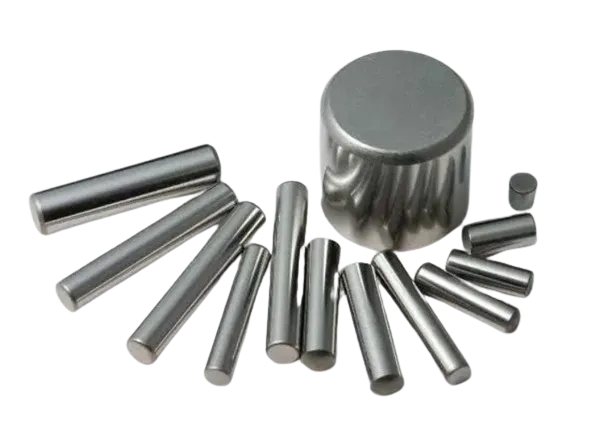
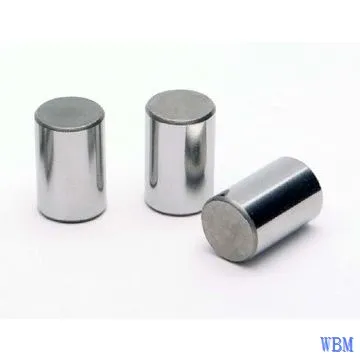
Silicon nitride has some amazing chemical properties. It has excellent thermal stability, which means it can maintain its mechanical properties at high temperatures. This makes it ideal for applications where the bearings are exposed to extreme heat, such as in aerospace and high - speed machining.
Another great property of silicon nitride is its high hardness and wear resistance. It is much harder than steel, which allows it to withstand more wear and tear. Additionally, silicon nitride is chemically inert, which means it doesn't react easily with other substances. This makes it resistant to corrosion in harsh chemical environments.
Other Materials
There are also other materials used for rolling elements, such as brass and bronze. Brass is an alloy of copper and zinc. The zinc content in brass can vary, and it affects the alloy's properties. Brass is known for its good machinability and corrosion resistance, especially in non - oxidizing environments.
Bronze, on the other hand, is an alloy of copper and tin, with other elements like aluminum, nickel, or phosphorus sometimes added. Bronze has excellent wear resistance and is often used in applications where low friction and high load - carrying capacity are required.
Impact of Chemical Properties on Performance
The chemical properties of rolling elements have a significant impact on their performance. For example, the hardness and wear resistance of the material determine how long the rolling elements will last. A harder material will generally have better wear resistance and a longer service life.
Corrosion resistance is also crucial, especially in applications where the bearings are exposed to moisture or chemicals. If the rolling elements corrode, it can lead to increased friction, reduced efficiency, and eventually, bearing failure.
The thermal stability of the material is important in high - temperature applications. If the rolling elements lose their mechanical properties at high temperatures, it can cause the bearings to malfunction.
Our Product Range
We offer a wide range of rolling elements to meet different customer needs. For industrial and wind - power bearings, we have Cylindrical roller for industrial and wind - power bearings. These cylindrical rollers are made from high - quality steel, which ensures excellent hardness and wear resistance. They are designed to handle high loads and provide smooth operation in these demanding applications.
If you're looking for tapered rollers, we have the Interroll Tapered Roller. These tapered rollers are precision - engineered to provide optimal performance in various bearing applications. They are made from materials with the right chemical properties to ensure long - term reliability.
Why Choose Us
As a supplier, we understand the importance of the chemical properties of rolling elements. We carefully select the materials for our products to ensure they meet the highest quality standards. Our team of experts is always on hand to provide technical support and advice to help you choose the right rolling elements for your specific application.
If you're in the market for rolling elements, whether it's for a small - scale project or a large - scale industrial application, we'd love to hear from you. We can offer competitive prices, high - quality products, and excellent customer service. Don't hesitate to reach out to us for a quote or to discuss your requirements. We're here to help you find the perfect rolling elements for your needs.
References
- ASM Handbook Volume 1: Properties and Selection: Irons, Steels, and High - Performance Alloys. ASM International.
- Ceramic Materials for Engineering Applications. John Wiley & Sons.
- Bearing Design and Application Handbook. SKF.