
Hey there! I'm a supplier of rolling elements, and let me tell you, manufacturing these little guys is no walk in the park. In this blog, I'll share some of the challenges we face in the production of rolling elements and how we tackle them.
Material Selection and Quality
One of the first and most crucial challenges is choosing the right material for rolling elements. The material needs to have high hardness, good wear resistance, and excellent fatigue strength. We usually work with high - carbon chromium steels, which are known for their durability. However, sourcing high - quality steel can be a hassle.
The quality of the raw material can vary significantly from one supplier to another. We've had instances where the steel we received had impurities, which could lead to premature failure of the rolling elements. To deal with this, we've established strict quality control procedures. We test every batch of raw material for chemical composition, hardness, and microstructure. This way, we can ensure that only the best materials make it into our production line.
Precision Machining
Rolling elements need to be machined to extremely tight tolerances. For example, the diameter of a ball bearing might need to be accurate to within a few micrometers. Achieving this level of precision is incredibly challenging.
The machining process involves several steps, including turning, grinding, and polishing. Each step requires specialized equipment and skilled operators. During turning, even a small vibration can cause the dimensions of the rolling element to deviate from the required specifications. Grinding is also a tricky process because the abrasive wheels can wear out over time, affecting the surface finish and accuracy of the rolling elements.
To overcome these issues, we invest in state - of the - art machining equipment. Our machines are equipped with advanced sensors and control systems that can detect and correct any deviations in real - time. We also train our operators regularly to ensure they are up - to - date with the latest machining techniques.
Heat Treatment
Heat treatment is another critical step in the manufacturing of rolling elements. It helps to improve the hardness, toughness, and wear resistance of the material. However, getting the heat treatment process right is not easy.
The temperature, time, and cooling rate during heat treatment need to be carefully controlled. If the temperature is too high, the material can become brittle. On the other hand, if the temperature is too low, the desired hardness and properties won't be achieved.
We use computer - controlled furnaces to ensure precise temperature control during heat treatment. We also conduct thorough testing after heat treatment to check the hardness, microstructure, and residual stresses of the rolling elements. This helps us to identify any issues early on and make the necessary adjustments.
Surface Finish
The surface finish of rolling elements is crucial for their performance. A smooth surface reduces friction and wear, which in turn increases the lifespan of the rolling elements. Achieving a high - quality surface finish is a major challenge.
During the manufacturing process, the surface of the rolling elements can be affected by various factors, such as tool marks, scratches, and oxidation. To improve the surface finish, we use advanced polishing techniques. For example, we might use abrasive slurries and polishing pads to remove any surface imperfections.
However, even with these techniques, it can be difficult to achieve a perfectly smooth surface. We constantly research and develop new polishing methods to improve the surface quality of our rolling elements.
Lubrication and Contamination
Rolling elements need proper lubrication to function effectively. However, ensuring that the lubrication is consistent and free from contaminants is a challenge.
Contamination can come from various sources, such as dust, dirt, and metal particles. These contaminants can cause abrasion and wear on the surface of the rolling elements, leading to premature failure.
We work closely with lubricant suppliers to select the right lubricants for our rolling elements. We also have strict cleaning and assembly procedures to prevent contamination during the manufacturing process. For example, we clean the rolling elements in a cleanroom environment before assembly.
Design and Customization
Customers often have specific requirements for rolling elements. They might need a particular size, shape, or performance characteristic. Designing and customizing rolling elements to meet these requirements can be a complex task.
We need to consider factors such as load capacity, speed, and operating environment when designing custom rolling elements. This requires a deep understanding of the application and the mechanical properties of the materials.
We have a team of experienced engineers who use advanced design software to create custom rolling element designs. We also conduct extensive testing and simulation to ensure that the custom - designed rolling elements meet the customer's expectations.
Market Competition
In the rolling element market, competition is fierce. There are many suppliers out there, all vying for the same customers. Standing out from the crowd and offering high - quality products at competitive prices is a constant challenge.
To stay competitive, we focus on continuous improvement. We invest in research and development to improve our manufacturing processes and product quality. We also offer excellent customer service, providing technical support and quick response times.
Examples of Our Products
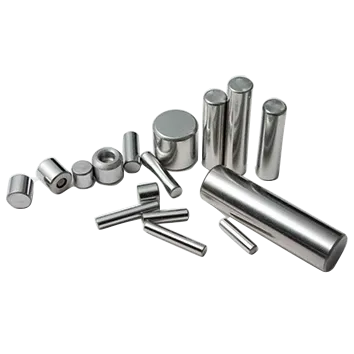
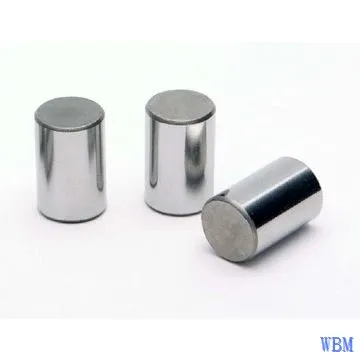
We offer a wide range of rolling elements, including Interroll Tapered Roller and Cylindrical roller for industrial and wind - power bearings. These products are designed to meet the high - performance requirements of various industries.
The Interroll Tapered Roller is known for its high load - carrying capacity and excellent durability. It's suitable for applications where high radial and axial loads are present. The Cylindrical roller for industrial and wind - power bearings is designed to withstand the harsh operating conditions in industrial and wind - power applications. It has a high fatigue life and can operate at high speeds.
Conclusion
Manufacturing rolling elements is a complex process with many challenges. From material selection to market competition, every step requires careful attention and expertise. However, by investing in the right equipment, training our staff, and focusing on continuous improvement, we're able to overcome these challenges and produce high - quality rolling elements.
If you're in the market for rolling elements, we'd love to hear from you. Whether you need standard products or custom - designed solutions, we have the expertise and resources to meet your needs. Contact us to start a procurement discussion and let's work together to find the best rolling elements for your application.
References
- "Fundamentals of Machine Elements" by J.E. Shigley and C.R. Mischke
- "Manufacturing Engineering and Technology" by S. Kalpakjian and S.R. Schmid