
Ball bearing balls, those small yet incredibly versatile components, have found their way into a wide range of industries, and the medical field is no exception. As a leading supplier of high - quality ball bearing balls, I've witnessed firsthand how these tiny spheres contribute to the functionality and innovation of various medical devices. In this blog, we'll explore the diverse applications of ball bearing balls in medical devices and understand why they are indispensable in this critical sector.
1. Precision Instrumentation
In the realm of medical precision instrumentation, ball bearing balls play a pivotal role. Devices such as microscopes, which are essential for medical research and diagnosis, rely on smooth and precise movement mechanisms. Ball bearing balls are used in the focusing and adjustment systems of microscopes. The smooth rolling action of these balls allows for accurate and incremental adjustments, enabling doctors and researchers to examine specimens with high precision.
For example, in high - end electron microscopes, where the margin of error is extremely low, Stainless Steel Ball are often used. Stainless steel offers excellent corrosion resistance, which is crucial as these instruments may be exposed to various chemicals and cleaning agents. The high hardness of stainless steel balls also ensures long - term durability, maintaining the accuracy of the microscope's adjustment mechanisms over time.
2. Surgical Tools
Surgical tools demand the highest level of precision and reliability. Ball bearing balls are incorporated into many surgical instruments to enhance their performance. Forceps, for instance, often use ball bearing balls in their hinge mechanisms. The smooth rotation provided by the balls allows surgeons to have better control over the opening and closing of the forceps, which is vital during delicate surgical procedures.
In robotic surgical systems, ball bearing balls are even more critical. These systems are designed to perform minimally invasive surgeries with enhanced precision. The joints of robotic arms use ball bearing balls to enable smooth and accurate movement. Metric Steel Ball are commonly used in these applications due to their standardized sizes, which ensure compatibility with the precision - engineered robotic components. The use of ball bearing balls in robotic surgical systems reduces friction, improves the range of motion, and enhances the overall dexterity of the robotic arms, ultimately leading to better surgical outcomes.
3. Diagnostic Equipment
Medical diagnostic equipment, such as CT scanners and MRI machines, also benefit from the use of ball bearing balls. These machines require precise movement of components to obtain accurate images. Ball bearing balls are used in the gantries and moving parts of these scanners to ensure smooth rotation and translation.
In CT scanners, the X - ray tube and detector array need to rotate around the patient at a constant speed. Ball bearing balls in the rotation mechanism reduce friction and vibration, resulting in clear and artifact - free images. Inch Steel Ball may be used in some legacy or custom - designed CT scanners, where inch - based measurements are still prevalent. The high - quality surface finish of these balls is essential to prevent any interference with the delicate electronic components in the scanner, which could otherwise lead to inaccurate diagnostic results.
4. Prosthetic Devices
Prosthetic devices aim to restore the functionality of missing limbs as closely as possible. Ball bearing balls are used in the joints of prosthetic limbs to mimic the natural movement of human joints. In lower - limb prosthetics, for example, the knee joint often incorporates ball bearing balls to provide smooth flexion and extension. This allows the user to walk more naturally and with less effort.
The choice of ball bearing balls in prosthetic devices is crucial. They need to be lightweight to reduce the overall weight of the prosthetic limb, yet strong enough to withstand the forces exerted during daily activities. Specialized materials and coatings are often used to ensure the longevity and biocompatibility of the balls. Biocompatible materials are essential to prevent any adverse reactions when the prosthetic device comes into contact with the user's body.
5. Drug Delivery Systems
Drug delivery systems, such as insulin pumps and auto - injectors, rely on ball bearing balls for precise and reliable operation. In insulin pumps, the mechanism that dispenses the insulin needs to be highly accurate. Ball bearing balls are used in the drive systems of these pumps to ensure smooth and consistent movement of the piston, which controls the dosage of insulin delivered.
Auto - injectors, which are used for quick and easy administration of medications, also use ball bearing balls in their firing mechanisms. The smooth rolling of the balls allows for a rapid and reliable injection, ensuring that the correct dose of the drug is delivered at the right time. The small size and high precision of ball bearing balls make them ideal for these compact and sensitive drug delivery devices.
6. Laboratory Equipment
In medical laboratories, a wide variety of equipment uses ball bearing balls. Centrifuges, for example, are used to separate substances based on their density. The rotating mechanism of a centrifuge requires smooth and balanced rotation to achieve accurate separation. Ball bearing balls are used in the spindle of the centrifuge to reduce friction and vibration, allowing the centrifuge to operate at high speeds without compromising the integrity of the samples.
Shakers and mixers in the laboratory also benefit from ball bearing balls. These devices need to provide consistent and uniform mixing of samples. The use of ball bearing balls in their drive systems ensures smooth and reliable operation, resulting in efficient mixing and accurate experimental results.
Why Choose Our Ball Bearing Balls?
As a trusted supplier of ball bearing balls, we understand the unique requirements of the medical industry. Our balls are manufactured with the highest level of precision and quality control. We use advanced manufacturing techniques to ensure that each ball meets the strictest standards for size, roundness, and surface finish.
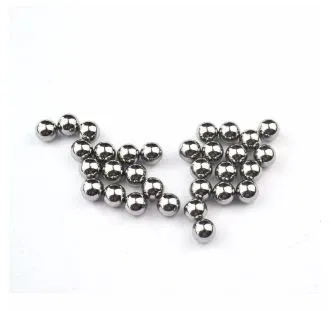
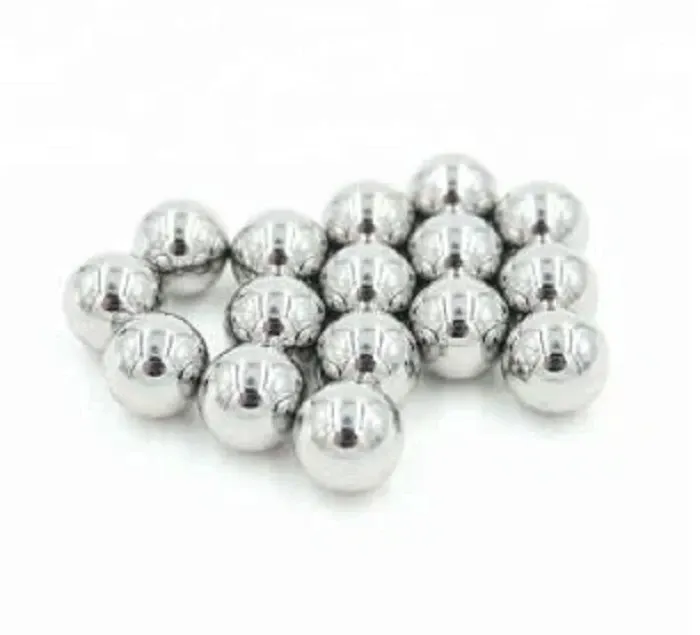
We offer a wide range of materials, including stainless steel, chrome steel, and ceramic, to meet the diverse needs of medical device manufacturers. Our Stainless Steel Ball are corrosion - resistant and biocompatible, making them suitable for many medical applications. Our Metric Steel Ball and Inch Steel Ball are available in a variety of sizes, ensuring compatibility with different medical device designs.
In addition to our high - quality products, we also provide excellent customer service. Our team of experts is always ready to assist you in selecting the right ball bearing balls for your specific medical device application. We can offer technical support and advice to ensure that you get the best performance from our products.
Contact Us for Your Ball Bearing Ball Needs
If you are a medical device manufacturer or involved in the medical industry and are looking for high - quality ball bearing balls, we would love to hear from you. Whether you need a small quantity for a prototype or a large - scale production order, we can meet your requirements. Contact us today to discuss your needs and start a partnership that will drive innovation in the medical field.
References
- Smith, J. R. (2018). Precision Components in Medical Devices. Medical Device Technology Journal, 29(3), 45 - 52.
- Johnson, M. L. (2019). The Role of Ball Bearings in Robotic Surgical Systems. Surgical Innovation Review, 15(2), 78 - 85.
- Brown, A. S. (2020). Advances in Drug Delivery System Design. Pharmaceutical Research, 37(4), 67 - 74.