
Ball bearing balls are small yet incredibly versatile components that play a crucial role in numerous industries. As a leading supplier of ball bearing balls, I have witnessed firsthand the wide range of applications these tiny spheres have. In this blog post, I will explore some of the most common applications of ball bearing balls and highlight their importance in various fields.
Automotive Industry
The automotive industry is one of the largest consumers of ball bearing balls. These balls are used in a variety of automotive components, including engines, transmissions, steering systems, and wheel hubs. In engines, ball bearing balls are used in the crankshaft, camshaft, and other rotating parts to reduce friction and improve efficiency. They help to ensure smooth operation and extend the lifespan of these critical components.
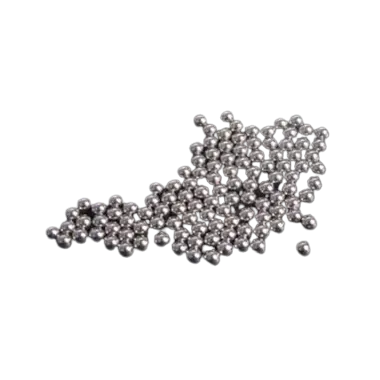
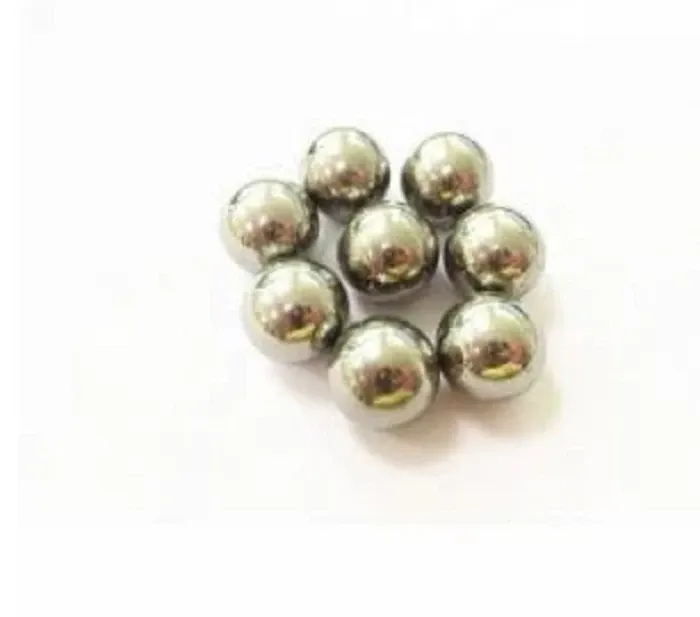
In transmissions, ball bearing balls are used in the gears and shafts to facilitate smooth shifting and reduce wear. They also help to transmit power efficiently from the engine to the wheels. Steering systems rely on ball bearing balls to provide precise and responsive steering control. The balls are used in the steering column, rack and pinion, and other steering components to reduce friction and improve the overall performance of the steering system.
Wheel hubs are another important application of ball bearing balls in the automotive industry. These balls are used in the wheel bearings to support the weight of the vehicle and allow the wheels to rotate smoothly. They help to reduce friction and prevent premature wear of the wheel bearings, ensuring safe and reliable operation of the vehicle.
Aerospace Industry
The aerospace industry demands the highest level of precision and reliability in its components. Ball bearing balls play a critical role in meeting these requirements. They are used in a wide range of aerospace applications, including aircraft engines, landing gear, flight control systems, and navigation equipment.
In aircraft engines, ball bearing balls are used in the turbine, compressor, and other rotating parts to reduce friction and improve efficiency. They help to ensure smooth operation and prevent overheating, which is crucial for the safety and performance of the engine. Landing gear systems rely on ball bearing balls to support the weight of the aircraft during takeoff, landing, and taxiing. The balls are used in the wheels, axles, and other landing gear components to reduce friction and provide smooth movement.
Flight control systems use ball bearing balls to provide precise and responsive control of the aircraft. The balls are used in the control surfaces, such as the ailerons, elevators, and rudders, to reduce friction and ensure accurate movement. Navigation equipment, such as gyroscopes and accelerometers, also rely on ball bearing balls to provide accurate measurements and reliable operation.
Industrial Machinery
Ball bearing balls are widely used in industrial machinery to reduce friction and improve efficiency. They are used in a variety of applications, including motors, pumps, conveyors, and machine tools. In motors, ball bearing balls are used in the rotor and stator to support the rotating shaft and reduce friction. They help to improve the efficiency of the motor and extend its lifespan.
Pumps rely on ball bearing balls to support the impeller and other rotating parts. The balls help to reduce friction and ensure smooth operation of the pump, which is essential for the efficient transfer of fluids. Conveyors use ball bearing balls in the rollers and other moving parts to reduce friction and improve the movement of materials. Machine tools, such as lathes, milling machines, and drills, also use ball bearing balls to support the cutting tools and ensure precise and accurate machining.
Medical Industry
The medical industry requires high-quality and reliable components for its equipment. Ball bearing balls are used in a variety of medical applications, including surgical instruments, dental equipment, and diagnostic devices. In surgical instruments, ball bearing balls are used in the handles and other moving parts to provide smooth and precise operation. They help to reduce friction and improve the control of the instrument, which is crucial for successful surgeries.
Dental equipment, such as drills and handpieces, rely on ball bearing balls to support the rotating parts and reduce friction. The balls help to ensure smooth operation and prevent overheating, which is important for the comfort and safety of the patient. Diagnostic devices, such as MRI machines and ultrasound scanners, also use ball bearing balls to support the moving parts and provide accurate measurements.
Consumer Goods
Ball bearing balls are also used in a variety of consumer goods, including bicycles, skateboards, and toys. In bicycles, ball bearing balls are used in the hubs, bottom brackets, and other moving parts to reduce friction and improve the efficiency of the bike. They help to make the ride smoother and more enjoyable.
Skateboards use ball bearing balls in the wheels to provide smooth and fast movement. The balls help to reduce friction and allow the skateboard to roll more easily. Toys, such as remote-controlled cars and airplanes, also use ball bearing balls in the motors and other moving parts to improve the performance and reliability of the toy.
Types of Ball Bearing Balls
There are several types of ball bearing balls available, each with its own unique properties and applications. Some of the most common types include steel balls, stainless steel balls, ceramic balls, and plastic balls.
Din 5401 Steel Ball are widely used in various industries due to their high strength, durability, and affordability. They are available in a range of sizes and grades to meet different application requirements. Metric Steel Ball are another popular type of steel ball, which are commonly used in metric-sized bearings.
316 Stainless Steel Balls are resistant to corrosion and are suitable for applications in harsh environments. They are commonly used in the food and beverage industry, marine applications, and medical equipment. Ceramic balls are known for their high hardness, low density, and excellent chemical resistance. They are often used in high-speed and high-temperature applications, such as aerospace and automotive engines.
Plastic balls are lightweight, corrosion-resistant, and have low friction. They are commonly used in applications where weight and cost are important factors, such as consumer goods and electronics.
Conclusion
Ball bearing balls are essential components that are used in a wide range of industries and applications. Their ability to reduce friction, improve efficiency, and provide reliable operation makes them indispensable in modern technology. As a supplier of ball bearing balls, I am committed to providing high-quality products that meet the specific needs of my customers.
If you are in need of ball bearing balls for your application, I encourage you to contact me for more information. I can help you select the right type and size of ball bearing balls for your specific requirements and provide you with competitive pricing and excellent customer service. Let's work together to find the perfect solution for your ball bearing ball needs.
References
- "Ball Bearings: Design, Engineering, and Performance" by Terry A. Harris
- "Handbook of Bearings" by Peter J. Blau
- "Mechanical Engineering Design" by Joseph E. Shigley and Charles R. Mischke