
Yo, what's up everyone! I'm a supplier of rolling elements, and today I wanna talk about the acoustic properties of these little guys. Rolling elements are super important in all sorts of machinery, from small gadgets to big industrial equipment. And understanding their acoustic properties can really make a difference in how well they work and how long they last.
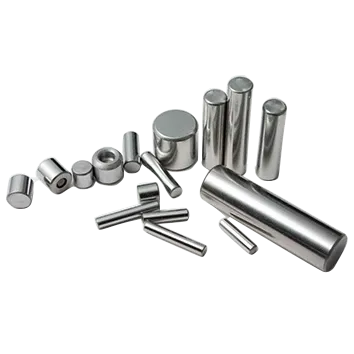
First off, let's get a basic idea of what rolling elements are. They're parts like balls, rollers, and needles that are used in bearings to reduce friction between moving parts. When these rolling elements are in action, they make sounds, and these sounds can tell us a lot about their condition.
One of the key acoustic properties of rolling elements is the noise they generate. When a bearing is running smoothly, the rolling elements should produce a relatively consistent and low - level noise. But if there's something wrong, like wear and tear, misalignment, or contamination, the noise can change. For example, a bearing with worn - out rolling elements might start to make a rattling or clicking sound. This is because the smooth rolling motion is disrupted. The worn surfaces cause the elements to vibrate in an irregular way, which in turn creates these abnormal noises.
Another important aspect is the frequency of the sound. Different types of problems with rolling elements can lead to different frequency patterns in the noise they make. For instance, a high - frequency noise could indicate a problem with the surface finish of the rolling elements. If the surface has tiny cracks or bumps, it can cause the elements to vibrate at high frequencies when they roll. On the other hand, a low - frequency noise might be a sign of a more serious issue, like a misaligned bearing or a problem with the housing that holds the rolling elements.
Now, let's talk about how we can use these acoustic properties to our advantage. As a supplier, I know that being able to detect problems early is crucial. By using acoustic sensors, we can monitor the noise and vibration of rolling elements in real - time. These sensors can pick up even the slightest changes in the sound, allowing us to identify potential problems before they turn into major disasters. For example, in an industrial setting, a sudden change in the acoustic pattern of a bearing in a large machine could mean that the rolling elements are starting to fail. By catching this early, we can schedule maintenance, replace the faulty parts, and avoid costly downtime.
Let's take a look at some specific types of rolling elements and their acoustic characteristics.
Interroll Tapered Roller
The Interroll Tapered Roller is a popular choice in many applications. These rollers are designed to handle both radial and axial loads. When it comes to their acoustic properties, they usually produce a smooth, low - pitched noise when operating correctly. However, if the tapered rollers are not properly lubricated, the friction between the rollers and the raceways can increase. This can lead to a louder, more high - pitched noise. Also, if the rollers are misaligned, they might start to make a grinding sound, which is a clear sign that something's not right.
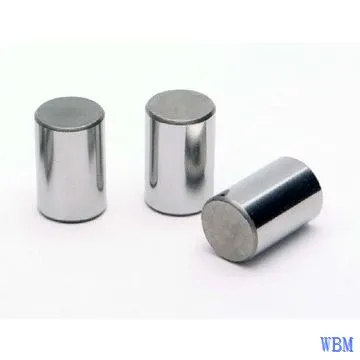
Cylindrical roller for industrial and wind - power bearings
Cylindrical roller for industrial and wind - power bearings are used in some of the toughest environments. In wind - power applications, for example, these rollers have to withstand high - speed rotations and varying loads. The acoustic properties of these cylindrical rollers are closely related to their performance. A healthy cylindrical roller should produce a stable, continuous noise. Any sudden changes in the noise, such as an increase in volume or a change in pitch, could indicate problems like excessive wear or a lack of lubrication.
In addition to noise, vibration is also an important acoustic - related property. Vibration can be caused by the same factors as noise, such as misalignment, wear, and imbalance. Measuring the vibration levels of rolling elements can give us another set of data to analyze. High - amplitude vibrations can cause further damage to the rolling elements and the surrounding components. For example, in a machine with high - speed rotating parts, excessive vibration can lead to fatigue failure of the rolling elements over time.
So, how do we ensure that the rolling elements we supply have good acoustic properties? Well, it starts with the manufacturing process. We use high - quality materials and precision machining techniques to make sure that the rolling elements have smooth surfaces and accurate dimensions. Proper heat treatment is also crucial to give the elements the right hardness and toughness.
During the quality control process, we use advanced testing equipment to measure the acoustic properties of the rolling elements. We check for things like noise levels, frequency patterns, and vibration amplitudes. Only the rolling elements that meet our strict quality standards are sent out to our customers.
As a supplier, I'm always looking for ways to improve the acoustic properties of our rolling elements. We're constantly researching new materials and manufacturing processes. For example, we're exploring the use of new alloys that can reduce friction and wear, which in turn can lead to quieter operation. We're also working on improving the design of our rolling elements to make them more resistant to misalignment and vibration.
If you're in the market for high - quality rolling elements, you should definitely consider our products. Our rolling elements are designed to have excellent acoustic properties, which means less noise, less vibration, and longer service life. Whether you're in the industrial, automotive, or wind - power industry, we have the right rolling elements for your needs.
So, if you're interested in learning more about our rolling elements or if you want to discuss a potential purchase, don't hesitate to reach out. We're here to help you find the best solutions for your machinery.
References
- Harris, T. A., & Kotzalas, M. N. (2007). Rolling Bearing Analysis. Wiley.
- Zorzi, C., & Viotti, P. (2012). Acoustic Monitoring of Rolling Element Bearings in Electric Motors. Proceedings of the Institution of Mechanical Engineers, Part D: Journal of Automobile Engineering.