
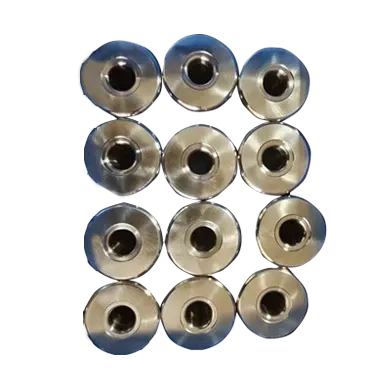
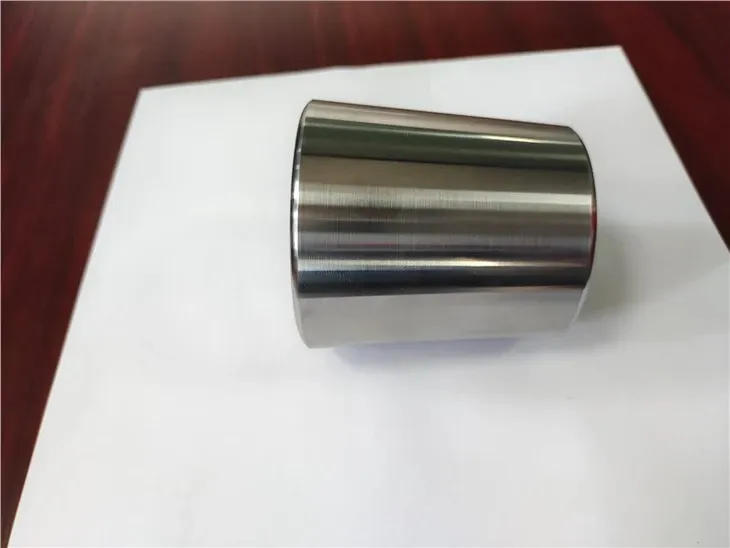
As a leading supplier of Gravity Taper Rollers, I've witnessed firsthand the challenges that come with maintaining these crucial components in various industrial applications. Gravity taper rollers are designed to withstand high loads and rotational forces, making them a staple in machinery ranging from automotive transmissions to heavy-duty manufacturing equipment. However, like any mechanical part, they are susceptible to failures that can disrupt operations and lead to costly downtime. In this blog post, I'll share some insights on how to troubleshoot the failures of gravity taper rollers effectively.
Understanding the Common Causes of Failure
Before diving into troubleshooting, it's essential to understand the common causes of gravity taper roller failures. These can be broadly categorized into mechanical, lubrication, and environmental factors.
Mechanical Factors
- Overloading: Exceeding the rated load capacity of the taper rollers can cause premature wear and fatigue. This is often the result of improper system design or unexpected operational loads.
- Misalignment: Incorrect installation or misalignment of the rollers can lead to uneven stress distribution, causing excessive wear on specific areas of the rollers.
- Surface Damage: Scratches, nicks, or other surface imperfections can initiate cracks or accelerate wear, reducing the lifespan of the rollers.
Lubrication Factors
- Inadequate Lubrication: Insufficient lubrication can increase friction between the rollers and the raceways, leading to excessive heat generation and wear.
- Contaminated Lubricant: Dirt, debris, or water in the lubricant can act as abrasives, causing surface damage to the rollers.
- Wrong Lubricant Type: Using the wrong type of lubricant for the application can compromise its performance and lead to premature failure.
Environmental Factors
- High Temperatures: Extreme temperatures can cause the lubricant to break down and the rollers to expand or contract, leading to dimensional changes and increased wear.
- Corrosion: Exposure to moisture, chemicals, or corrosive environments can cause rust and corrosion on the rollers, weakening their structure.
- Dust and Debris: Particulates in the environment can enter the bearing assembly and cause abrasion, leading to premature failure.
Troubleshooting Steps
Once you've identified the potential causes of failure, you can follow these steps to troubleshoot the issue:
Step 1: Visual Inspection
- Examine the Rollers: Look for signs of wear, such as pitting, scoring, or excessive discoloration. Check for cracks or other surface damage that may indicate mechanical stress or fatigue.
- Inspect the Raceways: Examine the inner and outer raceways for wear or damage. Look for signs of misalignment, such as uneven wear patterns or scoring.
- Check the Lubricant: Analyze the lubricant for signs of contamination, such as dirt, debris, or water. Check the viscosity and color of the lubricant to ensure it's within the recommended specifications.
Step 2: Measure Dimensional Changes
- Use Precision Measurement Tools: Measure the dimensions of the rollers and raceways using calipers, micrometers, or other precision measurement tools. Compare the measurements to the manufacturer's specifications to identify any dimensional changes.
- Check for Clearance: Measure the clearance between the rollers and the raceways to ensure it's within the recommended range. Excessive clearance can indicate wear or misalignment.
Step 3: Analyze the Operating Conditions
- Review the Load and Speed Data: Examine the operating load and speed data to determine if the rollers are being operated within their rated capacity. Overloading or excessive speed can cause premature failure.
- Check the Temperature and Environmental Conditions: Monitor the temperature and environmental conditions in the vicinity of the bearing assembly. High temperatures, moisture, or corrosive environments can contribute to failure.
Step 4: Perform a Lubrication Analysis
- Analyze the Lubricant Sample: Send a lubricant sample to a laboratory for analysis. The laboratory can determine the type and extent of contamination, as well as the viscosity and other properties of the lubricant.
- Evaluate the Lubrication System: Check the lubrication system for proper operation, including the lubricant delivery rate, distribution, and filtration. Ensure that the lubrication system is providing adequate lubrication to the rollers.
Step 5: Determine the Root Cause of Failure
- Use Root Cause Analysis Techniques: Apply root cause analysis techniques, such as the 5 Whys or Fault Tree Analysis, to identify the underlying cause of the failure. Once you've determined the root cause, you can develop a corrective action plan to prevent future failures.
Preventive Maintenance Strategies
In addition to troubleshooting failures, it's important to implement preventive maintenance strategies to minimize the risk of future problems. Here are some tips to help you keep your gravity taper rollers in optimal condition:
Regular Inspections
- Schedule Routine Inspections: Establish a regular inspection schedule to check the condition of the rollers and the bearing assembly. Inspect the rollers for signs of wear, damage, or misalignment, and address any issues promptly.
- Use Condition Monitoring Techniques: Implement condition monitoring techniques, such as vibration analysis or temperature monitoring, to detect early signs of failure. These techniques can help you identify potential problems before they become serious.
Proper Lubrication
- Use the Right Lubricant: Select the appropriate lubricant for the application based on the operating conditions, load, and speed. Follow the manufacturer's recommendations for lubrication intervals and quantities.
- Maintain a Clean Lubrication System: Keep the lubrication system clean and free of contaminants. Replace the lubricant and filters regularly to ensure optimal performance.
Correct Installation and Alignment
- Follow the Manufacturer's Instructions: Install the gravity taper rollers according to the manufacturer's instructions. Ensure that the rollers are properly aligned and seated in the bearing assembly.
- Use Precision Installation Tools: Use precision installation tools, such as alignment fixtures or torque wrenches, to ensure accurate installation and alignment.
Environmental Protection
- Protect the Rollers from Contaminants: Use seals, shields, or other protective devices to prevent dirt, debris, and moisture from entering the bearing assembly.
- Control the Operating Environment: Maintain a clean and dry operating environment to minimize the risk of corrosion and contamination.
Conclusion
Troubleshooting the failures of gravity taper rollers requires a systematic approach that involves understanding the common causes of failure, performing a thorough inspection, analyzing the operating conditions, and implementing preventive maintenance strategies. By following these steps, you can minimize the risk of downtime and extend the lifespan of your gravity taper rollers.
If you're experiencing problems with your gravity taper rollers or need assistance with troubleshooting, don't hesitate to contact us. As a trusted supplier of Cylindrical Roller and 2022 New product Taper Roller With Hole in The Center, we have the expertise and resources to help you find the right solution for your specific needs. We also offer a wide range of other Cylindrical Roller products to meet your industrial requirements.
Contact us today to discuss your procurement needs and learn how we can help you optimize the performance of your machinery.
References
- Handbook of Bearing Science and Engineering
- Mechanical Engineering Design Handbook
- Bearing Installation and Maintenance Guide