
Hey there! As a supplier of conical rollers, I've seen my fair share of issues that customers run into. In this blog, I'm gonna share some tips on how to troubleshoot conical roller problems.
1. Identifying Common Conical Roller Problems
First off, let's talk about what kinds of problems you might encounter with conical rollers. One of the most common issues is excessive wear. Over time, the surface of the conical roller can start to wear down, which can lead to reduced performance and even failure. You might notice that the roller isn't rotating as smoothly as it used to, or there could be some strange noises coming from it.
Another problem is misalignment. If the conical roller isn't properly aligned within the system, it can cause uneven stress distribution. This can result in premature wear on one side of the roller and can also lead to other components in the system being affected. For example, you might see that the bearings that support the roller are starting to fail earlier than expected.
And then there's the issue of contamination. Dust, dirt, and other debris can get into the conical roller system, causing abrasion and damage. This is especially common in industrial environments where there's a lot of particulate matter in the air.
2. Troubleshooting Excessive Wear
If you suspect that your conical roller is experiencing excessive wear, the first thing you should do is inspect the surface. Look for signs of scoring, pitting, or uneven wear patterns. If you see any of these, it's a good indication that the roller needs to be replaced.
But before you go ahead and replace it, check the lubrication. Insufficient lubrication is a major cause of excessive wear. Make sure that the lubricant you're using is the right type for your conical roller and that it's being applied correctly. You might need to increase the frequency of lubrication or change the lubricant altogether.
Also, check the load on the roller. If the roller is being overloaded, it will wear out faster. Make sure that the system is designed to handle the load that's being placed on the conical roller. You might need to adjust the system or use a larger or more heavy-duty roller.
3. Dealing with Misalignment
When it comes to misalignment, the first step is to check the mounting of the conical roller. Make sure that it's properly installed and that all the bolts are tightened to the correct torque. Sometimes, a loose or incorrectly installed roller can cause misalignment.
You can also use alignment tools to check the alignment of the roller. These tools can help you determine if the roller is off by a small amount or if there's a more significant problem. If the misalignment is minor, you might be able to adjust the mounting to correct it. But if it's a major issue, you might need to realign the entire system.
It's also important to check the shafts and bearings that support the conical roller. Misaligned shafts or worn-out bearings can cause the roller to become misaligned. If you find any problems with the shafts or bearings, replace them as soon as possible.
4. Handling Contamination
To deal with contamination, the first thing you should do is clean the conical roller system. Use a clean, dry cloth to wipe away any visible dirt or debris. You can also use a mild cleaning solution if necessary, but make sure to rinse it off thoroughly and dry the roller completely.
If the contamination is severe, you might need to disassemble the system and clean the individual components. This can be a time-consuming process, but it's often necessary to ensure that the system is free of contaminants.
To prevent future contamination, consider installing a protective cover or shield over the conical roller system. This can help keep dust and debris out. You can also use air filters in the environment to reduce the amount of particulate matter in the air.
5. Comparing with Other Types of Rollers
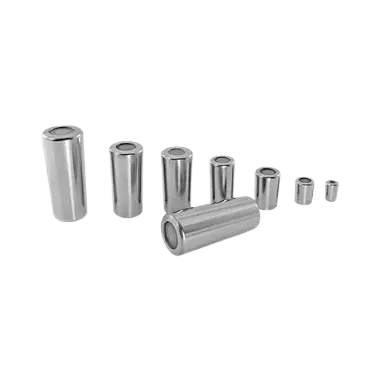
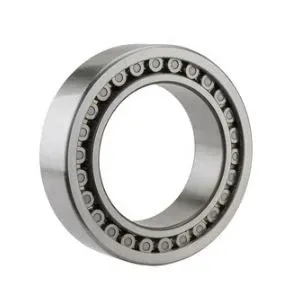
It's worth noting that conical rollers have some differences compared to other types of rollers, like Cylindrical Roller and Gravity Taper Roller. Cylindrical rollers are better suited for applications where the load is primarily radial, while conical rollers can handle both radial and axial loads.
Cylindrical Roller has a simpler design and is often easier to install and maintain. However, they might not be as effective in applications where there's a significant axial load. Gravity taper rollers, on the other hand, are designed to work with gravity to help move objects. They're commonly used in conveyor systems and other applications where gravity can be utilized.
6. When to Seek Professional Help
If you've tried all the troubleshooting steps and you're still having problems with your conical roller, it might be time to seek professional help. A professional technician can perform more in-depth inspections and use specialized tools to diagnose the problem. They can also provide recommendations on the best course of action, whether it's replacing the roller, making adjustments to the system, or using a different type of roller altogether.
7. Conclusion and Call to Action
Well, that's about it for troubleshooting conical roller problems. I hope these tips have been helpful to you. Remember, taking care of your conical roller system is crucial for its performance and longevity.
If you're in the market for new conical rollers or need more information about our products, don't hesitate to reach out. We're here to help you find the right solution for your needs. Whether you're dealing with a simple wear issue or a more complex misalignment problem, we have the expertise and the products to get you back up and running.
References
- Machinery's Handbook
- Industrial Roller Systems: A Guide to Design and Maintenance