
Training operators to use cold heading dies correctly is crucial for any business in the manufacturing industry. As a supplier of Cold Heading Dies, I've seen firsthand the impact that proper training can have on productivity, quality, and the overall bottom line. In this blog post, I'll share some tips and best practices on how to train operators to use cold heading dies effectively.
Understanding Cold Heading Dies
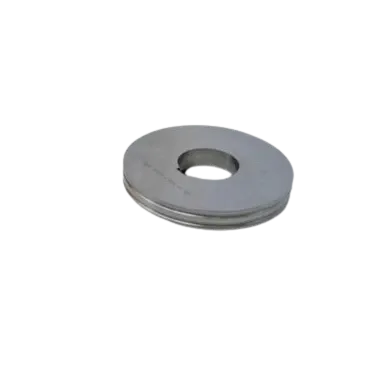
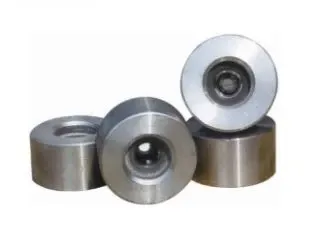
Before diving into training, it's important to make sure operators have a solid understanding of what cold heading dies are and how they work. Cold heading is a metal forming process where a wire or rod is cut to a specific length and then formed into a desired shape using dies. These dies are typically made from high-quality materials like Tungsten Carbide Die due to their durability and resistance to wear.
The process involves several steps, including feeding the wire, cutting it to length, and then applying pressure to form the part. Each step requires precision and careful operation to ensure the final product meets the required specifications.
Initial Training Sessions
When starting the training process, it's a good idea to begin with some classroom-style sessions. These sessions can cover the basics of cold heading, the different types of dies used, and the safety procedures that need to be followed.
- Theory and Basics: Explain the cold heading process in detail. Use visual aids like diagrams and videos to help operators understand how the wire is fed, cut, and formed. Discuss the different types of cold heading dies, such as Carbidecut Off Die COD, and their specific functions.
- Safety First: Safety should always be a top priority. Teach operators about the potential hazards associated with cold heading machines, such as flying debris, pinch points, and electrical risks. Make sure they understand how to use personal protective equipment (PPE) like safety glasses, gloves, and ear protection. Provide clear instructions on emergency procedures, including how to stop the machine in case of an accident.
Hands - On Training
After the classroom sessions, it's time for hands - on training. This is where operators will get to work with the actual cold heading machines and dies.
- Supervised Practice: Start with simple parts and have an experienced operator or trainer supervise the new operators. The supervisor can guide them through each step of the process, from setting up the machine to loading the wire and running the first few cycles. This hands - on experience allows operators to get a feel for the equipment and understand how the dies interact with the material.
- Troubleshooting: As operators gain more experience, introduce them to common problems that can occur during the cold heading process, such as die wear, part defects, and machine malfunctions. Teach them how to identify these issues and the steps they can take to troubleshoot and resolve them. For example, if a part is coming out with a rough surface, it could be a sign of die wear, and the operator should know how to inspect and replace the die if necessary.
Maintenance Training
Proper maintenance of cold heading dies is essential to ensure their longevity and performance. Training operators on maintenance procedures is an important part of the overall training process.
- Cleaning and Inspection: Teach operators how to clean the dies regularly to remove any debris or metal shavings. Show them how to inspect the dies for signs of wear, cracks, or other damage. A simple visual inspection can often catch problems early, preventing more serious issues down the line.
- Lubrication: Explain the importance of lubrication in the cold heading process. Lubricants help reduce friction between the die and the material, which can improve the quality of the parts and extend the life of the dies. Show operators how to apply the correct type and amount of lubricant to the dies.
Continuous Training and Improvement
Training doesn't end after the initial sessions. Continuous training is necessary to keep operators up - to - date with the latest techniques and technologies in cold heading.
- Regular Refresher Courses: Schedule regular refresher courses to reinforce the knowledge and skills that operators have learned. These courses can cover new developments in die design, improvements in the cold heading process, or changes in safety regulations.
- Performance Feedback: Provide operators with regular feedback on their performance. This can help them identify areas where they need to improve and give them a sense of accomplishment when they do well. Encourage operators to share their ideas and suggestions for improving the process, as they are often the ones on the front lines and may have valuable insights.
Using Training Aids
In addition to classroom sessions and hands - on training, there are several training aids that can be used to enhance the learning experience.
- Simulators: Cold heading simulators can be a great tool for training. These simulators allow operators to practice the cold heading process in a virtual environment without the risk of damaging the actual equipment. They can experiment with different settings and materials to see how they affect the final product.
- Training Manuals: Provide operators with detailed training manuals that cover all aspects of cold heading, from machine operation to die maintenance. These manuals can serve as a reference guide for operators to consult whenever they have questions or need a reminder of a particular procedure.
Importance of Training for Business
Investing in proper training for operators has several benefits for your business.
- Quality Assurance: Well - trained operators are more likely to produce high - quality parts consistently. This can lead to fewer rejects, lower production costs, and improved customer satisfaction.
- Increased Productivity: When operators know how to use the cold heading machines and dies correctly, they can work more efficiently. They can set up the machines faster, run the production cycles more smoothly, and minimize downtime due to errors or malfunctions.
- Cost Savings: Properly maintained dies last longer, which means you'll save money on replacement costs. Additionally, trained operators are less likely to cause damage to the equipment, reducing the need for expensive repairs.
Conclusion
Training operators to use cold heading dies correctly is a long - term investment that can pay off in many ways. By providing comprehensive training that covers theory, hands - on practice, maintenance, and continuous improvement, you can ensure that your operators are skilled and confident in their abilities.
If you're interested in learning more about our Cold Heading Dies or need help with training your operators, feel free to reach out. We're here to support you every step of the way.
References
- "Cold Heading Technology Handbook"
- Industry research papers on cold heading processes and die design.