
Storing weldable steel balls properly is crucial to maintain their quality and performance. As a supplier of weldable steel balls, I've seen firsthand how improper storage can lead to issues like corrosion, damage, and reduced usability. In this blog, I'll share some tips on how to store these steel balls effectively.
Understanding the Characteristics of Weldable Steel Balls
Before we dive into storage methods, it's important to understand what makes weldable steel balls unique. These balls are made from materials that allow them to be welded, which is a key feature for many industrial applications. They're often used in construction, manufacturing, and other fields where strong, durable connections are needed.
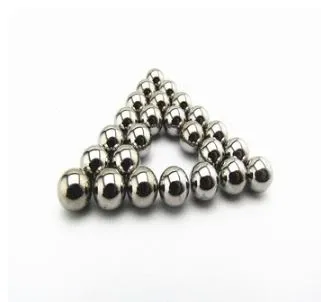
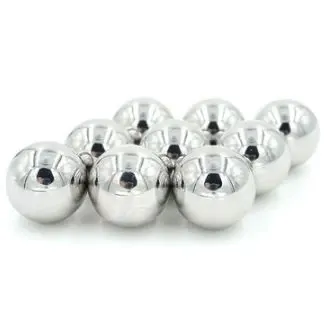
Weldable steel balls come in different sizes and grades, each with its own properties. For example, Carbon Steel Ball are known for their high carbon content, which gives them good strength and hardness. Inch Steel Ball are measured in inches and are commonly used in machinery and equipment that follow the imperial measurement system. Solid Steel Balls are, as the name suggests, solid throughout, providing excellent durability and resistance to wear and tear.
Choosing the Right Storage Location
The first step in proper storage is selecting the right location. You want a place that's dry, clean, and well-ventilated. Moisture is the enemy of steel balls, as it can cause rust and corrosion. Avoid storing them in basements, near water sources, or in areas prone to flooding.
A warehouse or storage shed is a good option, as long as it meets the above criteria. Make sure the floor is level and stable to prevent the balls from rolling around and getting damaged. If possible, use shelves or racks to keep the balls organized and off the ground. This not only helps with accessibility but also reduces the risk of damage from moisture or debris on the floor.
Protecting the Steel Balls from the Elements
Once you've chosen the storage location, you need to protect the steel balls from the elements. One way to do this is by using covers or tarps. If the balls are stored outdoors, a heavy-duty tarp can provide a barrier against rain, snow, and sunlight. Make sure the tarp is securely fastened to prevent it from blowing off in the wind.
For indoor storage, you can use plastic covers or shrink wrap to protect the balls from dust and dirt. This is especially important if the storage area is not completely dust-free. You can also use desiccants to absorb any moisture that may be present in the storage environment. Silica gel packets are a common and effective desiccant that can be placed in the storage containers or near the steel balls.
Organizing the Steel Balls
Proper organization is key to efficient storage and easy access. You can group the steel balls by size, grade, or application. This makes it easier to find the right balls when you need them. You can use labeled bins or containers to keep the balls separate and organized.
If you have a large quantity of steel balls, you may want to consider using a storage system that allows for easy inventory management. For example, you can use a barcode or RFID system to track the location and quantity of each type of ball. This can save you time and effort when it comes to restocking or fulfilling orders.
Monitoring the Storage Conditions
Regular monitoring of the storage conditions is essential to ensure the quality of the steel balls. You should check the storage area for signs of moisture, damage, or pests on a regular basis. If you notice any issues, take immediate action to address them.
For example, if you see signs of rust on the steel balls, you can use a rust remover to clean them. If the storage area is too humid, you can use a dehumidifier to reduce the moisture level. By staying on top of the storage conditions, you can prevent problems from developing and ensure that your steel balls remain in good condition.
Handling and Transporting the Steel Balls
When handling and transporting the steel balls, it's important to take precautions to prevent damage. Use appropriate lifting equipment, such as forklifts or cranes, to move the balls safely. Make sure the equipment is in good working condition and that the operators are properly trained.
When transporting the steel balls, use sturdy containers or pallets to prevent them from rolling around and getting damaged. Secure the containers or pallets to the transport vehicle to prevent them from shifting during transit. If possible, use a shock-absorbing material, such as foam or rubber, to cushion the balls and reduce the risk of damage from vibrations.
Conclusion
Proper storage of weldable steel balls is essential to maintain their quality and performance. By choosing the right storage location, protecting the balls from the elements, organizing them effectively, monitoring the storage conditions, and handling and transporting them carefully, you can ensure that your steel balls remain in good condition and are ready for use when you need them.
If you're in the market for high-quality weldable steel balls, I invite you to reach out to me for more information. I'm happy to discuss your specific needs and provide you with a quote. Whether you're a small business or a large industrial company, I can help you find the right steel balls for your application. Let's work together to ensure your projects are a success!
References
- "Steel Ball Storage Guidelines" - Industry Best Practices Handbook
- "Corrosion Prevention in Steel Storage" - Journal of Metallurgy and Materials Science