
Proper storage of tungsten carbide dies is crucial for maintaining their quality, performance, and longevity. As a trusted tungsten carbide die supplier, I understand the significance of this aspect and am here to share valuable insights on how to store these essential tools correctly.
Understanding the Importance of Proper Storage
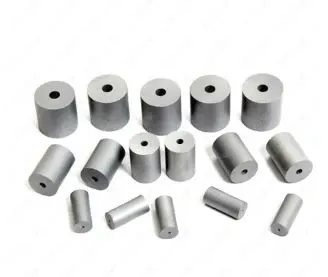
Tungsten carbide dies are precision tools used in various industrial applications, including Cold Forming/forging Tools. These dies are known for their hardness, wear resistance, and high strength. However, improper storage can lead to damage, corrosion, and a decrease in their performance. By storing tungsten carbide dies properly, you can ensure that they remain in optimal condition, ready for use whenever needed.
Factors Affecting Tungsten Carbide Die Storage
Several factors can influence the storage of tungsten carbide dies. Understanding these factors is essential for implementing effective storage practices.
1. Environmental Conditions
The environment in which tungsten carbide dies are stored plays a significant role in their preservation. High humidity levels can cause corrosion, while extreme temperatures can lead to thermal stress and cracking. It is recommended to store dies in a dry, climate-controlled environment with a relative humidity of less than 50% and a temperature range of 20°C to 25°C (68°F to 77°F).
2. Contamination
Contamination from dust, dirt, oil, and other foreign particles can damage the surface of tungsten carbide dies. These contaminants can cause abrasion, scratching, and corrosion, reducing the die's lifespan and performance. To prevent contamination, dies should be stored in clean, sealed containers or cabinets.
3. Physical Damage
Physical damage, such as impact, scratches, and dents, can occur during handling and storage. These damages can affect the die's precision and performance. To avoid physical damage, dies should be handled with care and stored in a way that protects them from impact and abrasion.
Best Practices for Storing Tungsten Carbide Dies
Based on the factors mentioned above, here are some best practices for storing tungsten carbide dies:
1. Clean the Dies Thoroughly
Before storing tungsten carbide dies, it is essential to clean them thoroughly to remove any dirt, oil, or debris. Use a mild detergent and a soft brush to clean the dies, and then rinse them with clean water. Dry the dies completely using a clean, lint-free cloth to prevent moisture from causing corrosion.
2. Apply a Protective Coating
Applying a protective coating to the surface of tungsten carbide dies can help prevent corrosion and oxidation. There are several types of protective coatings available, including anti-corrosion oils, waxes, and sprays. Choose a coating that is compatible with tungsten carbide and follow the manufacturer's instructions for application.
3. Store in a Clean, Sealed Container
Once the dies are clean and dry, store them in a clean, sealed container or cabinet. This will protect them from dust, dirt, and other contaminants. You can use plastic bags, plastic containers, or metal cabinets for storage. Make sure the container is large enough to prevent the dies from touching each other, as this can cause scratching and damage.
4. Use Dividers or Inserts
To further protect the dies from physical damage, use dividers or inserts in the storage container. These can help keep the dies separated and prevent them from rubbing against each other. You can use foam inserts, rubber dividers, or cardboard partitions to create individual compartments for each die.
5. Label the Storage Container
Labeling the storage container with the die's specifications, such as size, shape, and type, can help you easily identify and locate the dies when needed. You can use a permanent marker or a label maker to create clear, legible labels.
6. Store in a Secure Location
Store the tungsten carbide dies in a secure location where they are protected from theft, damage, and unauthorized access. A locked cabinet or a storage room with restricted access is ideal. Make sure the storage location is away from heavy machinery, vibration sources, and other potential hazards.
Specific Storage Considerations for Different Types of Tungsten Carbide Dies
Different types of tungsten carbide dies may require specific storage considerations. Here are some examples:
Quill COD
Quill COD dies are commonly used in cold heading applications. These dies are typically stored in a vertical position to prevent deformation. You can use a die rack or a die holder to store Quill COD dies vertically. Make sure the dies are securely held in place to prevent them from falling or tipping over.
Carbide Cold Heading Dies
Carbide cold heading dies are designed for high-volume production and require careful storage to maintain their precision. These dies should be stored in a flat position to prevent warping. You can use a die case or a die tray with individual compartments to store carbide cold heading dies flat. Make sure the compartments are lined with a soft material, such as felt or foam, to prevent scratching.
Regular Inspection and Maintenance
Even when stored properly, tungsten carbide dies should be inspected regularly to ensure their quality and performance. Here are some tips for regular inspection and maintenance:
1. Visual Inspection
Perform a visual inspection of the dies regularly to check for any signs of damage, such as cracks, chips, or wear. Look for any changes in the die's surface finish or dimensions. If you notice any damage, take appropriate action, such as repairing or replacing the die.
2. Cleaning and Re-Coating
Periodically clean the dies and reapply the protective coating to maintain their corrosion resistance. Follow the same cleaning and coating procedures as described above.
3. Lubrication
If the dies require lubrication, make sure to lubricate them regularly according to the manufacturer's recommendations. Use a high-quality lubricant that is compatible with tungsten carbide.
Conclusion
Proper storage of tungsten carbide dies is essential for maintaining their quality, performance, and longevity. By following the best practices outlined in this blog, you can ensure that your dies remain in optimal condition, ready for use whenever needed. Remember to clean the dies thoroughly, apply a protective coating, store them in a clean, sealed container, use dividers or inserts, label the storage container, and store them in a secure location. Additionally, perform regular inspection and maintenance to keep the dies in top shape.
As a leading tungsten carbide die supplier, we are committed to providing our customers with high-quality dies and expert advice on die storage and maintenance. If you have any questions or need further assistance, please do not hesitate to [contact us for procurement and negotiation]. We look forward to serving you and helping you achieve your industrial goals.
References
- "Tungsten Carbide: Properties, Production, and Applications." ASM International, 2009.
- "Handbook of Tungsten Carbide and Hardmetals." CRC Press, 2013.
- "Cold Heading and Forging: Processes, Tooling, and Applications." Society of Manufacturing Engineers, 2006.