
As a seasoned supplier of Metric Steel Balls, I understand the critical importance of proper storage to maintain the quality and integrity of these precision components. Metric steel balls are used in a wide range of applications, from automotive and aerospace to industrial machinery and consumer products. Ensuring they are stored correctly not only preserves their performance but also extends their lifespan, saving costs and reducing waste. In this blog, I will share some practical tips on how to store metric steel balls to avoid damage.
Understanding the Characteristics of Metric Steel Balls
Before delving into storage methods, it's essential to understand the unique characteristics of metric steel balls. These balls are typically made from high - quality steel alloys, which offer excellent hardness, wear resistance, and dimensional accuracy. However, they are also susceptible to corrosion, mechanical damage, and contamination.
Corrosion is one of the most common issues faced by steel balls. Exposure to moisture, oxygen, and certain chemicals can cause rust and oxidation, which can compromise the surface finish and reduce the ball's performance. Mechanical damage, such as scratches, dents, or chips, can occur during handling, transportation, or storage. Contamination by dust, dirt, or foreign particles can also affect the ball's operation and lead to premature wear.
Choosing the Right Storage Environment
The first step in storing metric steel balls is to select an appropriate storage environment. The ideal storage area should be clean, dry, and temperature - controlled.
- Cleanliness: The storage area should be free from dust, dirt, and other contaminants. Regular cleaning of the storage facility is necessary to prevent particles from settling on the steel balls. Use a vacuum cleaner or a soft brush to remove any debris from the shelves, containers, and surrounding areas.
- Dryness: Moisture is the enemy of steel balls. High humidity levels can accelerate corrosion. Aim to maintain a relative humidity level below 50% in the storage area. You can use dehumidifiers to control the humidity, especially in areas with high moisture content. Additionally, avoid storing steel balls in basements or areas prone to flooding.
- Temperature: Extreme temperatures can also affect the properties of steel balls. Fluctuations in temperature can cause expansion and contraction, which may lead to dimensional changes. Keep the storage area at a stable temperature, preferably between 18°C and 25°C. Avoid storing steel balls near heat sources, such as radiators or direct sunlight.
Selecting Suitable Storage Containers
Once you have chosen the right storage environment, the next step is to select suitable storage containers. The containers should protect the steel balls from physical damage, corrosion, and contamination.
- Sealed Containers: Use sealed plastic or metal containers to store the steel balls. Sealed containers prevent moisture, dust, and other contaminants from entering. You can also use desiccant packs inside the containers to absorb any remaining moisture.
- Divided Containers: For storing different sizes or grades of steel balls, use divided containers. This helps to organize the balls and prevents them from colliding with each other, reducing the risk of mechanical damage.
- Labeling: Clearly label each container with the size, grade, and quantity of the steel balls. This makes it easier to locate the required balls and ensures that they are used in the correct applications.
Handling and Loading
Proper handling and loading of metric steel balls are crucial to avoid damage.
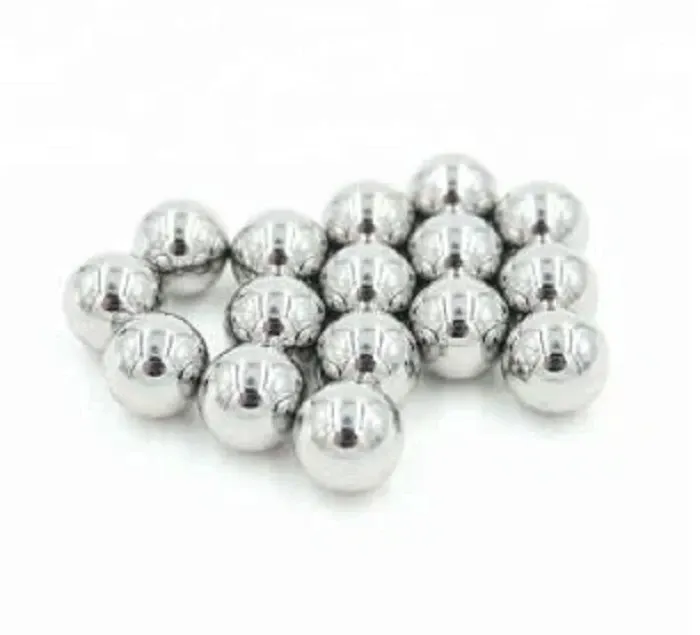
- Use Appropriate Tools: When handling steel balls, use clean and non - abrasive tools, such as tweezers or scoopers. Avoid using tools with sharp edges that can scratch the balls.
- Avoid Dropping or Impact: Dropping or subjecting the steel balls to impact can cause dents or cracks. Handle the balls gently and place them carefully in the storage containers.
- Loading Quantity: Do not overfill the storage containers. Overloading can cause the balls to rub against each other, leading to scratches and wear. Leave enough space in the containers for easy access and to prevent excessive pressure on the balls.
Regular Inspection and Maintenance
Regular inspection and maintenance of the stored steel balls are essential to detect any signs of damage or deterioration early.
- Visual Inspection: Periodically inspect the steel balls for signs of corrosion, scratches, or other damage. Use a magnifying glass if necessary to detect minor defects.
- Cleaning and Re - packaging: If any contamination or damage is detected, clean the affected balls using a suitable cleaning agent and re - package them in new containers.
- Inventory Management: Keep an accurate inventory of the stored steel balls. Rotate the stock regularly to ensure that the oldest balls are used first, reducing the risk of long - term storage damage.
Specific Considerations for Different Types of Steel Balls
- Stainless Steel Ball: Stainless steel balls are more resistant to corrosion than regular steel balls. However, they can still be affected by certain chemicals and environmental factors. Store stainless steel balls in a clean and dry environment, and avoid contact with aggressive chemicals, such as acids or alkalis.
- Din 5401 Steel Ball: Din 5401 steel balls are manufactured to specific standards. Ensure that the storage conditions meet these standards to maintain their quality. Follow the same storage guidelines as for other steel balls, with particular attention to dimensional stability and surface finish.
- 316 Stainless Steel Balls: 316 stainless steel balls are known for their excellent corrosion resistance, especially in marine and chemical environments. However, they should still be stored in a clean and dry place to prevent any potential damage.
Conclusion
Proper storage of metric steel balls is a crucial aspect of maintaining their quality and performance. By choosing the right storage environment, selecting suitable containers, handling the balls carefully, and conducting regular inspections, you can significantly reduce the risk of damage and ensure that the steel balls are in optimal condition when they are needed.
If you are in the market for high - quality metric steel balls or have any questions about storage or application, I invite you to contact me for a detailed discussion. I am committed to providing the best products and services to meet your specific needs.
References
- ASM Handbook Committee. (2004). ASM Handbook Volume 13A: Corrosion: Fundamentals, Testing, and Protection. ASM International.
- Machinery's Handbook. (31st ed.). Industrial Press Inc.