
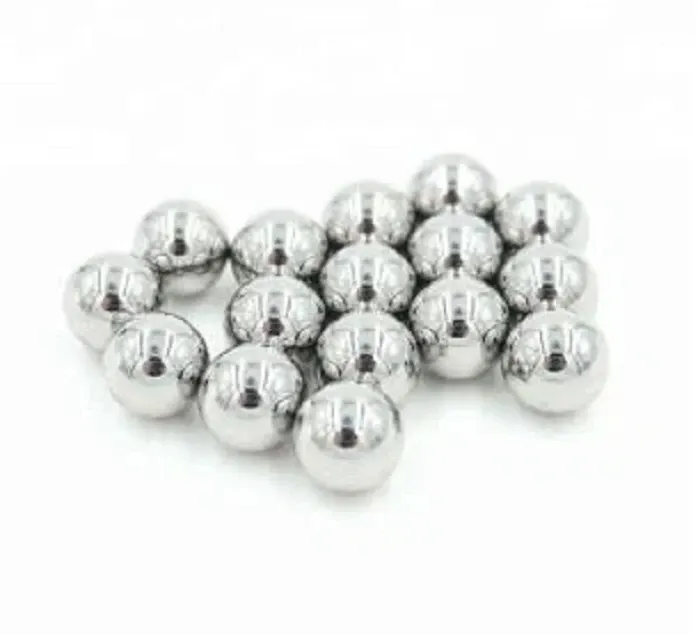
As a metal ball supplier, I understand the importance of proper storage for metal balls. Metal balls come in various types, materials, and sizes, such as Chorme Steel Ball, Inch Steel Ball, and Stainless Steel Ball, and each requires specific storage conditions to maintain their quality and performance. In this blog, I will share some scientific and practical methods for storing metal balls based on my experience in the industry.
Understanding the Characteristics of Different Metal Balls
Before discussing storage methods, it's crucial to understand the unique characteristics of different types of metal balls. For instance, chrome steel balls are known for their high hardness and wear resistance, but they are susceptible to corrosion in humid environments. Inch steel balls, which are commonly used in various machinery, also need protection from rust and mechanical damage. Stainless steel balls, on the other hand, have excellent corrosion resistance due to the presence of chromium and nickel, but they can still be affected by certain chemicals and abrasive materials.
General Storage Guidelines
Cleanliness
The first step in storing metal balls is to ensure they are clean. Before storage, metal balls should be thoroughly cleaned to remove any dirt, grease, or debris. This can be done using a mild detergent and a soft brush, followed by a rinse with clean water and then dried completely. Any contaminants left on the surface of the balls can lead to corrosion or scratching over time.
Moisture Control
Moisture is one of the biggest enemies of metal balls. Most metals, especially steel, will rust when exposed to moisture for an extended period. To prevent this, store metal balls in a dry environment. The ideal relative humidity for storing metal balls should be below 50%. If the storage area is prone to high humidity, you can use dehumidifiers or moisture - absorbing agents such as silica gel packets.
Protection from Mechanical Damage
Metal balls can be damaged by impacts, scratches, or excessive pressure. When storing them, use appropriate containers that can prevent contact with hard or sharp objects. For small - sized metal balls, plastic or glass vials are good options as they provide a clear view and protection from mechanical damage. Larger metal balls can be stored in wooden or plastic crates, but make sure to use dividers or cushioning materials to separate them and prevent rubbing against each other.
Specific Storage Considerations for Different Types of Metal Balls
Chrome Steel Balls
Chrome steel balls should be stored in an air - tight container with a rust - preventive oil or coating. This oil forms a protective layer on the surface of the balls, preventing moisture and oxygen from reaching the metal. Before applying the oil, make sure the balls are clean and dry. After storage, when the balls are to be used, the oil can be removed with a suitable solvent.
Inch Steel Balls
Inch steel balls are often used in precision machinery, so their storage requires extra care. They should be stored in a dust - free environment to avoid any particles getting stuck between the balls, which could affect their performance. Additionally, it's advisable to store them in a temperature - controlled environment. Extreme temperature changes can cause the metal to expand or contract, which may lead to dimensional changes and affect the accuracy of the balls.
Stainless Steel Balls
Although stainless steel balls are more corrosion - resistant than other types, they still need proper storage. Avoid storing them in contact with other metals, especially metals that are more reactive, as this can cause galvanic corrosion. Also, keep them away from chemicals such as strong acids and alkalis, which can damage the passive oxide layer on the surface of the stainless steel.
Storage in Bulk
When dealing with bulk storage of metal balls, pallets and racks are commonly used. Metal balls can be placed in large containers on pallets, which are then stacked on racks. However, it's important to ensure that the weight distribution is even to prevent the collapse of the racks. Moreover, label each container clearly with information such as the type of metal ball, size, and batch number. This will make it easier to manage inventory and ensure that the correct balls are used when needed.
Regular Inspection
Regular inspection of stored metal balls is essential. Check the containers for any signs of damage, such as cracks or leaks, which could allow moisture or contaminants to enter. Inspect the metal balls themselves for any signs of rust, discoloration, or mechanical damage. If any issues are detected, take appropriate measures immediately, such as cleaning, re - oiling, or replacing damaged balls.
Conclusion
Proper storage of metal balls is crucial for maintaining their quality and performance. By understanding the characteristics of different types of metal balls and following the appropriate storage guidelines, you can ensure that your metal balls remain in good condition for a long time. Whether you are a manufacturer, a distributor, or an end - user, taking the time to store metal balls correctly will save you time and money in the long run.
If you are interested in purchasing high - quality metal balls or have any questions about storage or handling, please feel free to contact us for further discussion. We are committed to providing you with the best products and solutions based on your specific needs.
References
- "Handbook of Materials for Precision Engineering and Manufacturing"
- "Corrosion of Metals: Principles, Mechanisms, and Prevention"
- Industry standards and guidelines for metal ball manufacturing and storage.