
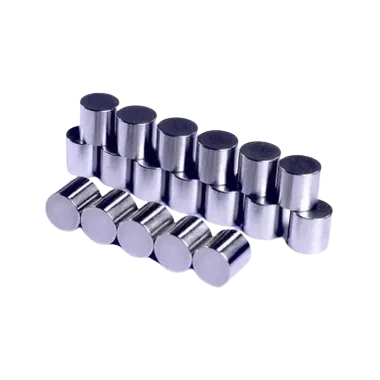
Hey there! As a supplier of cylindrical rollers, I've seen firsthand how important it is to store these little guys properly. Cylindrical rollers are key components in many types of machinery, from small household appliances to large industrial equipment. If they're not stored right, their performance can take a nosedive, and that's bad news for everyone involved. So, let's dive into how you can store cylindrical rollers like a pro.
1. Keep 'Em Clean
First things first, cleanliness is crucial. Before you even think about storing your cylindrical rollers, make sure they're clean. Dirt, dust, and other contaminants can cause wear and tear on the rollers, leading to reduced efficiency and a shorter lifespan.
To clean the rollers, you can use a mild solvent or a specialized cleaning agent designed for metal parts. Gently wipe the rollers with a clean, lint - free cloth to remove any debris. Make sure to dry them thoroughly before storage to prevent rust and corrosion.
2. Choose the Right Environment
The environment where you store your cylindrical rollers can make or break their quality. Here are some factors to consider:
Temperature
Cylindrical rollers should be stored in a temperature - controlled environment. Extreme temperatures can cause the metal to expand or contract, which can affect the dimensions and performance of the rollers. Ideally, the storage temperature should be between 10°C and 30°C (50°F and 86°F).
Humidity
High humidity is the enemy of metal parts. It can lead to rust and corrosion, which will damage the rollers. Keep the humidity level in the storage area below 60%. You can use dehumidifiers to control the humidity if necessary.
Light
Exposure to direct sunlight or strong artificial light can also have a negative impact on the rollers. UV rays can cause the lubricants on the rollers to break down, leading to increased friction and wear. Store the rollers in a dark or dimly lit area.
3. Use Proper Packaging
Good packaging is essential for protecting cylindrical rollers during storage. Here are some tips on how to package them correctly:
Individual Wrapping
Wrap each roller individually in a protective material, such as plastic film or anti - rust paper. This will prevent the rollers from coming into contact with each other and getting scratched or damaged.
Container Selection
Choose a container that is sturdy and provides adequate protection. Plastic or metal containers with tight - fitting lids are a good choice. Make sure the container is clean and dry before placing the rollers inside.
Labeling
Label the containers clearly with information such as the type of rollers, size, quantity, and date of storage. This will make it easier to find the rollers you need and keep track of their inventory.
4. Avoid Mechanical Damage
During storage, cylindrical rollers can be easily damaged by mechanical forces. Here's how you can prevent this:
Stacking
If you need to stack the containers, make sure they are stacked properly to avoid crushing the rollers at the bottom. Use pallets or racks to support the containers and distribute the weight evenly.
Handling
When handling the containers, be careful not to drop or bump them. Use appropriate lifting equipment, such as forklifts or pallet jacks, to move the containers safely.
5. Lubrication and Preservation
Proper lubrication and preservation can extend the lifespan of cylindrical rollers. Here's what you can do:
Lubrication
Apply a thin layer of high - quality lubricant to the rollers before storage. This will prevent rust and corrosion and reduce friction when the rollers are in use. Make sure to choose a lubricant that is compatible with the material of the rollers.
Preservation
In addition to lubrication, you can use preservation agents to protect the rollers. These agents can form a protective film on the surface of the rollers, preventing oxidation and other forms of damage.
6. Regular Inspection
Even if you follow all the storage guidelines, it's still a good idea to inspect the cylindrical rollers regularly. Check for any signs of damage, such as rust, corrosion, or scratches. If you notice any problems, take appropriate action immediately, such as cleaning, re - lubricating, or replacing the rollers.
Comparing with Other Types of Rollers
While we're on the topic of rollers, it's worth mentioning some other types of rollers that you might be interested in. Check out these links for more information:
- Spherical Roller: Spherical rollers are designed to accommodate misalignment and heavy loads. They have a spherical outer surface, which allows them to self - align during operation.
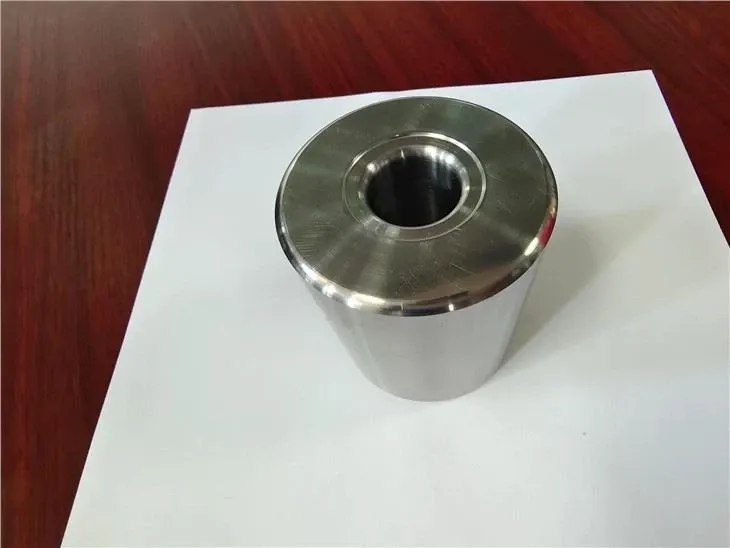
- 2022 New product Taper Roller With Hole in The Center: These taper rollers with a hole in the center are a new and innovative product. They offer unique advantages in certain applications, such as improved lubrication and reduced weight.
- Conical Rollers: Conical rollers are used in applications where there is a need to transmit power at an angle. They have a tapered shape, which allows them to work effectively in different types of machinery.
Conclusion
Storing cylindrical rollers properly is not rocket science, but it does require attention to detail. By following the tips in this blog, you can ensure that your cylindrical rollers stay in top condition during storage and perform well when they're put to use.
If you're in the market for high - quality cylindrical rollers or any other types of rollers, feel free to reach out to us. We're here to help you find the right products for your needs. Whether you're a small business or a large industrial manufacturer, we can provide you with the best solutions at competitive prices. Contact us today to start a procurement discussion and take your machinery to the next level!
References
- "Handbook of Bearing Technology" by T. A. Harris and M. N. Kotzalas
- "Rolling Bearing Analysis" by T. A. Harris