
Storing ball bearing balls properly is crucial for maintaining their quality and performance. As a supplier of high - quality ball bearing balls, I understand the significance of proper storage methods. In this blog, I'll share some essential tips on how to store ball bearing balls correctly to ensure they remain in optimal condition for your applications.
Understanding the Characteristics of Ball Bearing Balls
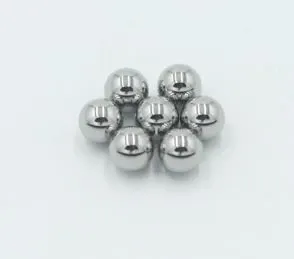
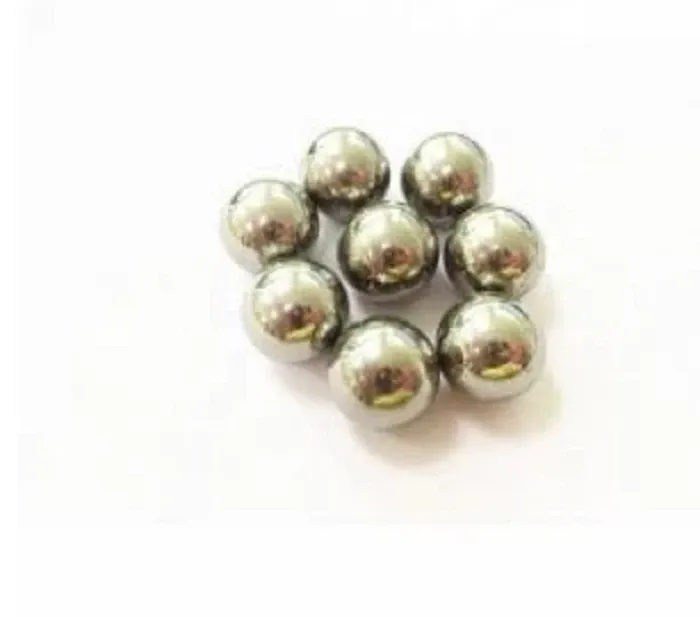
Before delving into storage methods, it's important to understand the nature of ball bearing balls. These balls are typically made from various materials such as steel, ceramic, or other alloys. Steel balls, for example, are widely used due to their excellent strength, durability, and cost - effectiveness. We offer a range of steel balls, including Large Steel Ball, Din 5401 Steel Ball, and Precision Steel Balls.
The surface finish and dimensional accuracy of ball bearing balls are critical factors that affect their performance. Even minor damage or contamination during storage can lead to reduced efficiency, increased wear, and potential failure in the bearing assembly.
Environmental Considerations
Temperature
Temperature plays a vital role in the storage of ball bearing balls. Extreme temperatures can cause thermal expansion or contraction, which may affect the dimensional stability of the balls. High temperatures can also accelerate oxidation and corrosion, especially for steel balls.
It is recommended to store ball bearing balls in an environment with a stable temperature. The ideal temperature range is between 10°C and 30°C (50°F and 86°F). Avoid storing the balls in areas near heat sources such as furnaces, radiators, or direct sunlight. If the storage area is subject to significant temperature fluctuations, consider using temperature - controlled storage units.
Humidity
Humidity is another critical environmental factor. High humidity levels can lead to rust and corrosion on the surface of steel balls. Moisture in the air can react with the metal, forming iron oxide (rust) which can damage the surface finish and reduce the ball's performance.
To prevent rust and corrosion, maintain the relative humidity in the storage area below 60%. You can use dehumidifiers to control the humidity levels. Additionally, storing the balls in air - tight containers can provide an extra layer of protection against moisture.
Dust and Contamination
Dust, dirt, and other contaminants can adhere to the surface of ball bearing balls and cause abrasion and damage during operation. It is essential to store the balls in a clean environment.
Keep the storage area clean and free from dust. Regularly clean the shelves, cabinets, and containers where the balls are stored. If possible, use a cleanroom or a dedicated storage area with filtered air to minimize the risk of contamination. When handling the balls, wear clean gloves to prevent transferring oils, dirt, or sweat from your hands to the balls.
Storage Containers
Material
The choice of storage containers is crucial for protecting ball bearing balls. Containers should be made of materials that are non - reactive and non - abrasive. Plastic containers are a popular choice as they are lightweight, inexpensive, and resistant to corrosion. Metal containers can also be used, but they should be coated or lined to prevent direct contact between the balls and the metal surface, which could cause scratching or corrosion.
Design
The design of the storage container should allow for easy access and organization of the balls. Containers with compartments or dividers can help separate different sizes and types of balls, making it easier to locate and retrieve the required balls. Additionally, the container should have a tight - fitting lid to prevent dust and moisture from entering.
Labeling
Proper labeling of the storage containers is essential for efficient inventory management. Label each container with information such as the ball size, material, quantity, and date of storage. This information will help you quickly identify the balls and ensure that you use the oldest stock first (first - in, first - out principle).
Handling During Storage
Loading and Unloading
When loading and unloading ball bearing balls into the storage containers, handle them with care. Avoid dropping or throwing the balls, as this can cause dents or cracks. Use appropriate tools such as scoops or funnels to transfer the balls gently.
Stacking
If you need to stack the storage containers, do so carefully. Ensure that the containers are stable and not over - stacked, as this can cause damage to the bottom containers and the balls inside. Use pallets or racks to support the stacked containers and distribute the weight evenly.
Protection Against Oxidation
Coating
Applying a protective coating to the ball bearing balls can help prevent oxidation and corrosion. There are various types of coatings available, such as oil - based coatings, wax coatings, and anti - rust sprays. These coatings create a barrier between the metal surface and the environment, protecting the balls from moisture and oxygen.
Before applying a coating, make sure the balls are clean and dry. Follow the manufacturer's instructions for applying the coating evenly and allowing it to dry completely.
Packaging
In addition to coatings, proper packaging can provide an extra layer of protection against oxidation. Vacuum - sealed packaging can remove oxygen from the package, reducing the risk of oxidation. You can also use anti - rust paper or desiccant packs inside the packaging to absorb moisture and prevent corrosion.
Inventory Management
Regular Inspection
Regularly inspect the stored ball bearing balls to check for any signs of damage, corrosion, or contamination. Inspect the surface finish, dimensional accuracy, and overall condition of the balls. If you notice any issues, take appropriate action immediately, such as cleaning, re - coating, or replacing the damaged balls.
Rotation
Implement a first - in, first - out (FIFO) inventory management system. Use the oldest stock of balls first to ensure that the balls do not sit in storage for an extended period, which could increase the risk of damage and degradation.
Conclusion
Proper storage of ball bearing balls is essential for maintaining their quality and performance. By considering environmental factors such as temperature, humidity, and contamination, using appropriate storage containers, and implementing proper handling and inventory management practices, you can ensure that the balls remain in optimal condition until they are ready for use.
As a trusted supplier of ball bearing balls, we are committed to providing high - quality products and expert advice on storage and handling. If you have any questions about storing our Large Steel Ball, Din 5401 Steel Ball, or Precision Steel Balls, or if you are interested in purchasing our products, please feel free to contact us for more information and to discuss your specific requirements.
References
- "Handbook of Bearings" - A comprehensive guide on bearing technology and related topics including storage and maintenance.
- Manufacturer's guidelines for ball bearing balls, which often provide specific storage recommendations.
- Industry standards and best practices for the storage of precision components.