
Selecting the right supplier for solid steel balls is a critical decision that can significantly impact the quality, performance, and cost - effectiveness of your products. As a solid steel balls supplier, I understand the challenges you face in this process. In this blog, I'll provide you with valuable insights on how to make an informed choice when sourcing solid steel balls.
1. Define Your Requirements
Before you start looking for a supplier, it's essential to have a clear understanding of your requirements. Consider the following factors:
- Size and Tolerance: Determine the exact size of the steel balls you need. Different applications may require specific diameters, and tight tolerances are often crucial for precision - based industries. For example, in the automotive industry, engine components demand steel balls with extremely precise dimensions.
- Material Grade: The material grade of the steel balls affects their hardness, corrosion resistance, and durability. Common grades include chrome steel, stainless steel, and carbon steel. If your application involves exposure to harsh chemicals or high - humidity environments, stainless steel balls, such as the Metric Steel Ball, might be the best choice.
- Quantity: Estimate the quantity of steel balls you'll need over a specific period. Bulk orders may offer cost savings, but you also need to consider storage space and inventory management.
2. Evaluate Supplier Experience and Reputation
- Industry Experience: Look for suppliers with a long - standing presence in the steel ball industry. An experienced supplier is more likely to have refined their manufacturing processes, ensuring consistent quality. They are also better equipped to handle complex requirements and provide technical support.
- Customer Reviews and References: Check online reviews and ask the supplier for references. Customer testimonials can give you an idea of the supplier's reliability, product quality, and customer service. Contacting past or current customers directly can provide in - depth insights into the supplier's performance.
- Certifications: Reputable suppliers often hold industry - recognized certifications, such as ISO 9001 for quality management systems. These certifications indicate that the supplier adheres to strict quality control standards.
3. Assess Manufacturing Capabilities
- Production Process: Inquire about the supplier's manufacturing process. Advanced production techniques, such as cold heading or precision grinding, can result in higher - quality steel balls. A supplier with a state - of - the - art manufacturing facility is more likely to produce balls with consistent size, shape, and surface finish.
- Quality Control: A reliable supplier should have a comprehensive quality control system in place. This includes in - process inspections, final product testing, and documentation of test results. Ask about the types of tests they perform, such as hardness testing, roundness measurement, and surface roughness analysis.
- Customization Ability: If you have unique requirements, such as non - standard sizes or special coatings, choose a supplier that offers customization services. For example, some applications may require Weldable Steel Balls, which need to be manufactured with specific welding properties.
4. Consider Cost and Pricing Structure
- Price Comparison: Obtain quotes from multiple suppliers to compare prices. However, don't make your decision based solely on price. A lower price may sometimes mean lower quality, which can lead to higher costs in the long run due to product failures or replacements.
- Pricing Transparency: A good supplier should be transparent about their pricing structure. They should clearly outline all costs, including raw materials, manufacturing, shipping, and any additional fees. This helps you avoid unexpected expenses.
- Cost - Saving Opportunities: Some suppliers may offer cost - saving opportunities, such as volume discounts, long - term contracts, or value - added services. Discuss these options with potential suppliers to maximize your savings.
5. Review Logistics and Delivery
- Shipping Options: Check the supplier's shipping options and capabilities. They should be able to deliver the steel balls to your location in a timely and cost - effective manner. Consider factors such as shipping time, shipping method (e.g., air freight, sea freight), and tracking capabilities.
- Inventory Management: A supplier with efficient inventory management can ensure a steady supply of steel balls. They should be able to handle sudden changes in demand and maintain adequate stock levels to avoid delays.
- Delivery Reliability: Look for a supplier with a proven track record of on - time delivery. Delays in receiving your steel balls can disrupt your production schedule and lead to financial losses.
6. Examine Customer Service
- Responsiveness: A responsive supplier is crucial. They should be able to answer your inquiries promptly and provide clear and detailed information. Good communication is essential throughout the purchasing process, from initial inquiries to after - sales support.
- Technical Support: If you have technical questions or need assistance with product selection, the supplier should offer reliable technical support. Their team of experts should be able to provide guidance on choosing the right steel balls for your application.
- After - Sales Service: Consider the supplier's after - sales service. This includes handling returns, replacements, and addressing any quality issues that may arise after the purchase. A supplier that stands behind their products and provides excellent after - sales service is more likely to be a long - term partner.
7. Explore Additional Services
- Testing and Inspection Services: Some suppliers offer on - site testing and inspection services, which can save you time and resources. This ensures that the steel balls meet your specifications before they are shipped.
- Value - Added Services: Look for suppliers that provide value - added services, such as packaging customization, labeling, or assembly. These services can enhance the convenience and functionality of the steel balls for your specific application.
8. Visit the Supplier's Facility (if possible)
If feasible, arrange a visit to the supplier's manufacturing facility. This allows you to see their operations firsthand, assess their production capabilities, and meet their team. You can also get a better sense of their quality control measures and working environment.

Conclusion
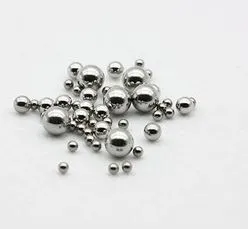
Selecting the right supplier for solid steel balls is a multi - faceted process that requires careful consideration of various factors. By defining your requirements, evaluating supplier experience and reputation, assessing manufacturing capabilities, considering cost and pricing, reviewing logistics and delivery, examining customer service, exploring additional services, and potentially visiting the supplier's facility, you can make an informed decision.
As a solid steel balls supplier, I am committed to providing high - quality Metal Ball products and excellent customer service. If you are in the process of sourcing solid steel balls, I encourage you to reach out to me for more information and to discuss your specific needs. We can work together to find the best solution for your business.
References
- "Handbook of Bearing Steel" - A comprehensive guide on the properties and applications of different types of bearing steels, which is relevant to understanding the material grades of solid steel balls.
- "Manufacturing Engineering and Technology" - This book provides insights into various manufacturing processes, including those used in the production of steel balls.
- Industry reports on the steel ball market, which offer data on market trends, supplier performance, and emerging technologies in the field.