
Hey there! As a supplier of weldable steel balls, I've seen firsthand how crucial it is to pick the right welding electrode. In this blog, I'm gonna break down the factors you need to consider when selecting an electrode for welding these steel balls.
Understanding Weldable Steel Balls
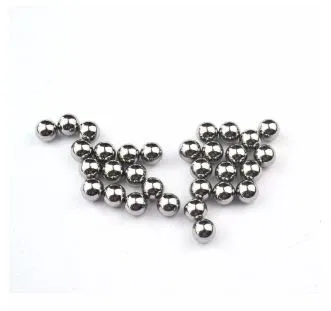
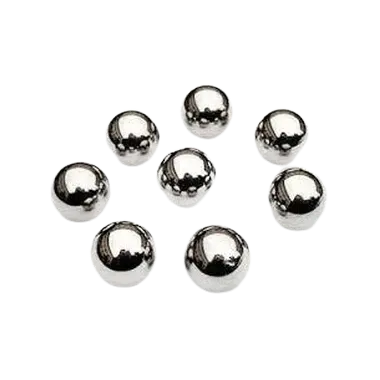
Before we dive into electrode selection, let's talk a bit about weldable steel balls. These balls are made from various types of steel alloys designed to be welded. We offer different kinds, like High Chrome Steel Balls, Inch Steel Ball, and Ball Bearing Balls. Each type has its own unique properties, which can influence the choice of welding electrode.
Factors to Consider When Selecting a Welding Electrode
1. Steel Composition
The composition of the weldable steel ball is a major factor. Different steel alloys have different chemical compositions, and you need an electrode that can match or complement them. For example, if the steel ball is made of high - carbon steel, you'll want an electrode that can handle the higher carbon content without causing excessive hardness or cracking in the weld.
2. Welding Position
The position in which you'll be welding also matters. You might be welding in a flat position, vertical position, or overhead position. Each position requires a different type of electrode. Electrodes designed for flat welding might not perform well in an overhead position because the molten metal needs to be more controlled to prevent it from dripping.
3. Welding Current
There are two main types of welding current: direct current (DC) and alternating current (AC). Some electrodes work better with DC, while others are more suitable for AC. DC is often preferred for precise control and better penetration, but AC can be useful in some situations where the arc stability is more important. You need to choose an electrode that is compatible with the type of current your welding machine can provide.
4. Weld Quality Requirements
The quality requirements of the weld play a big role. If you're welding steel balls for a high - stress application, like in a heavy - duty machinery, you'll need an electrode that can produce a strong, durable weld. On the other hand, if the application is less critical, you might be able to use a more cost - effective electrode.
Types of Welding Electrodes for Weldable Steel Balls
1. Mild Steel Electrodes
These are the most common type of electrodes. They are suitable for welding mild steel weldable balls. Mild steel electrodes are relatively inexpensive and easy to use. They can provide good weld quality for general applications. However, they might not be the best choice for high - strength or special - alloy steel balls.
2. Stainless Steel Electrodes
If your weldable steel balls are made of stainless steel, you'll need a stainless steel electrode. These electrodes are designed to match the corrosion - resistant properties of stainless steel. They can prevent the formation of rust and maintain the integrity of the weld in corrosive environments.
3. Low - Hydrogen Electrodes
Low - hydrogen electrodes are great for welding high - strength steel balls. They have a low hydrogen content, which helps to reduce the risk of hydrogen embrittlement and cracking in the weld. They are often used in critical applications where the weld strength is of utmost importance.
Step - by - Step Guide to Selecting the Right Electrode
Step 1: Identify the Steel Type
First, figure out what type of steel the weldable steel ball is made of. You can do this by checking the material specifications provided by the manufacturer. If you're not sure, you can use a metal analyzer or consult with a materials expert.
Step 2: Determine the Welding Position
Decide where you'll be welding the steel ball. If it's a complex project with multiple welding positions, you might need to use different electrodes for each position.
Step 3: Check Your Welding Machine
Know the type of current your welding machine can supply (DC or AC) and its amperage range. This will narrow down your electrode choices.
Step 4: Consider the Weld Quality Requirements
Think about the end - use of the welded steel ball. If it's for a high - performance application, invest in a high - quality electrode. If it's for a less critical job, you can save some money with a more basic electrode.
Tips for Using Welding Electrodes with Weldable Steel Balls
1. Store Electrodes Properly
Electrodes can absorb moisture from the air, which can affect their performance. Store them in a dry place, and if possible, use a desiccant to keep the storage environment dry.
2. Pre - heat the Steel Balls
In some cases, pre - heating the weldable steel balls can improve the welding process. This is especially true for high - carbon or high - alloy steels. Pre - heating reduces the risk of cracking and improves the weld quality.
3. Follow Welding Procedures
Always follow the recommended welding procedures for the electrode you're using. This includes the correct amperage, welding speed, and arc length. Deviating from these procedures can result in poor weld quality.
Conclusion
Selecting the appropriate welding electrode for weldable steel balls is not a one - size - fits - all process. It requires careful consideration of factors like steel composition, welding position, current type, and weld quality requirements. By understanding these factors and following the steps outlined in this blog, you can make an informed decision and achieve high - quality welds.
If you're in the market for weldable steel balls or have any questions about welding them, don't hesitate to reach out. We're here to help you make the right choices for your projects. Whether you need High Chrome Steel Balls, Inch Steel Ball, or Ball Bearing Balls, we've got you covered. Let's start a conversation about your welding needs and how we can work together!
References
- AWS Welding Handbook. American Welding Society.
- Welding Metallurgy textbooks.