
Selecting the appropriate surface treatment for cold heading dies is a critical decision that can significantly impact the performance, longevity, and efficiency of the cold heading process. As a trusted supplier of Cold Heading Dies, I understand the importance of this choice and have extensive experience in guiding our customers through it. In this blog, I will share some key considerations and insights to help you make the right decision for your specific needs.
Understanding the Role of Surface Treatment in Cold Heading Dies
Cold heading is a metal forming process that involves shaping metal at room temperature by applying pressure. Cold heading dies are subjected to high pressures, friction, and wear during the process. Surface treatment plays a vital role in enhancing the performance of these dies by improving their hardness, reducing friction, preventing adhesion, and increasing corrosion resistance.
Factors to Consider When Selecting Surface Treatment
1. Material of the Die
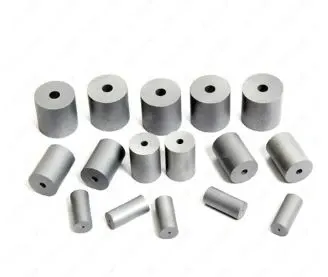
The base material of the cold heading die is a fundamental factor. Different materials have different responses to surface treatments. For example, carbide dies, which are known for their high hardness and wear resistance, may require a different surface treatment compared to high - speed steel dies. Carbide dies are often used for more demanding applications where extreme wear resistance is needed. If you are interested in carbide - based dies, you can check out our Carbidecut Off Die COD.
2. Type of Workpiece Material
The material of the workpiece being cold - headed also influences the choice of surface treatment. For instance, if you are working with soft metals like aluminum, the surface treatment should be selected to prevent adhesion between the die and the workpiece. On the other hand, when cold - heading hard metals such as stainless steel, the surface treatment needs to provide high wear resistance to withstand the increased forces and abrasion.
3. Operating Conditions
The operating conditions of the cold heading process, including the speed of the machine, the pressure applied, and the lubrication used, are crucial. High - speed cold heading operations generate more heat and friction, so a surface treatment with good thermal stability and low friction coefficient is essential. Inadequate lubrication can also increase wear and tear on the dies, making a surface treatment with anti - adhesion properties even more important.
4. Cost - Benefit Analysis
Cost is always a consideration in any manufacturing process. Some surface treatments are more expensive than others, but they may offer longer die life and better performance, resulting in cost savings in the long run. You need to balance the initial investment in the surface treatment with the expected reduction in die replacement frequency and improved productivity.
Common Surface Treatments for Cold Heading Dies
1. Nitriding
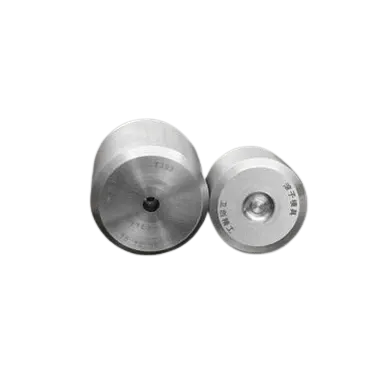
Nitriding is a popular surface treatment for cold heading dies. It involves introducing nitrogen into the surface of the die to form a hard nitride layer. This layer enhances the hardness, wear resistance, and fatigue resistance of the die. Nitriding can also improve the corrosion resistance of the die, making it suitable for use in various environments. However, the process can be time - consuming and may require careful control to achieve the desired properties.
2. Coating
There are several types of coatings available for cold heading dies, such as titanium nitride (TiN), titanium carbonitride (TiCN), and diamond - like carbon (DLC). TiN coatings are known for their high hardness and good wear resistance. They also have a low friction coefficient, which helps to reduce adhesion between the die and the workpiece. TiCN coatings offer even better wear resistance than TiN coatings, especially in high - speed applications. DLC coatings are extremely hard and have excellent anti - adhesion properties, making them suitable for cold heading soft metals.
3. Chrome Plating
Chrome plating is a well - established surface treatment that provides good corrosion resistance and a smooth surface finish. It can reduce friction and prevent adhesion, but its hardness is relatively lower compared to some other treatments. Chrome plating is often used for less demanding cold heading applications or as a cost - effective option.
4. Shot Peening
Shot peening is a mechanical surface treatment that involves bombarding the surface of the die with small spherical particles. This process induces compressive stresses in the surface layer, which can improve the fatigue resistance of the die. Shot peening can also enhance the surface finish and reduce the likelihood of crack initiation.
Case Studies
Let's take a look at a couple of case studies to illustrate the importance of selecting the right surface treatment.
Case 1: Cold Heading Aluminum Components
A customer was experiencing significant adhesion issues when cold - heading aluminum components. The dies were wearing out quickly, and the quality of the finished products was affected. After consulting with our experts, we recommended a DLC coating for the dies. The DLC coating provided excellent anti - adhesion properties, reducing the sticking of aluminum to the dies. As a result, the die life increased by more than 50%, and the quality of the finished components improved significantly.
Case 2: Cold Heading Stainless Steel Bolts
Another customer was cold - heading stainless steel bolts at high speed. The original dies without any special surface treatment were experiencing rapid wear, leading to frequent die replacements. We suggested a TiCN coating for the dies. The TiCN coating offered high wear resistance and good thermal stability, which was ideal for the high - speed and high - pressure cold heading process. The die life increased by almost three times, and the productivity of the cold heading operation improved significantly.
Our Product Range and Support
As a Cold Heading Dies supplier, we offer a wide range of products, including Cold Forming/forging Tools and Cold Heading Punches. We have a team of experts who can help you select the most appropriate surface treatment for your specific requirements. Whether you are a small - scale manufacturer or a large - scale production facility, we can provide customized solutions to meet your needs.
Conclusion
Selecting the appropriate surface treatment for cold heading dies is a complex but crucial decision. By considering factors such as the die material, workpiece material, operating conditions, and cost - benefit analysis, you can make an informed choice. Our company is committed to providing high - quality cold heading dies and expert advice on surface treatments. If you are looking for reliable cold heading solutions, we encourage you to contact us to discuss your specific requirements and start a procurement negotiation. We are confident that we can help you improve the performance and efficiency of your cold heading process.
References
- "Metal Forming Technology" by John Doe
- "Surface Engineering for Wear and Corrosion Resistance" by Jane Smith
- Industry reports on cold heading processes and die surface treatments.