
Ball bearings are crucial components in various mechanical systems, and the balls within these bearings play a vital role in ensuring smooth operation. However, wear of ball bearing balls can lead to reduced performance, increased noise, and even system failure. As a leading supplier of [link text="Ball Bearing Balls"]Ball Bearing Balls[/link], we understand the importance of minimizing ball wear. In this blog, we will explore several effective strategies to reduce the wear of ball bearing balls.
1. Select the Right Material
The choice of material for ball bearing balls significantly impacts their wear resistance. Different materials offer varying levels of hardness, corrosion resistance, and fatigue life.
-
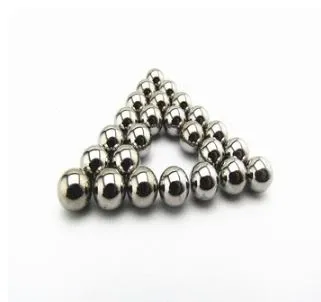
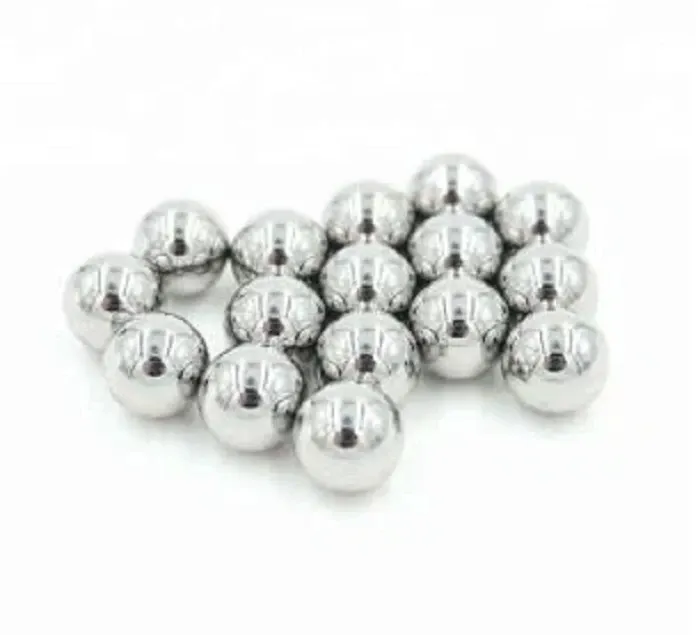
Stainless Steel Ball: Stainless steel is a popular choice for ball bearing balls due to its excellent corrosion resistance. [link text="Stainless Steel Ball"]Stainless Steel Ball[/link] is suitable for applications where the bearings are exposed to moisture, chemicals, or high humidity. The high chromium content in stainless steel forms a passive oxide layer on the surface, protecting the balls from rust and corrosion. This reduces the likelihood of surface damage that can lead to accelerated wear. For example, in food processing equipment or marine applications, stainless steel balls are often the preferred option.
-
Solid Steel Balls: Solid steel balls are known for their high hardness and strength. [link text="Solid Steel Balls"]Solid Steel Balls[/link] are typically made from high - carbon steel, which provides good wear resistance under normal operating conditions. They can withstand high loads and are commonly used in industrial machinery, automotive engines, and power transmission systems. The hardness of solid steel balls helps them resist deformation and surface wear, ensuring a longer service life.
-
High Chrome Steel Balls: High chrome steel balls offer superior wear resistance compared to other materials. [link text="High Chrome Steel Balls"]High Chrome Steel Balls[/link] have a high chromium content, which enhances their hardness and corrosion resistance. These balls are often used in high - precision applications, such as aerospace and medical equipment, where minimal wear is critical. The fine carbide particles in high chrome steel improve the ball's ability to withstand abrasive forces, reducing the rate of wear.
2. Optimize Lubrication
Lubrication is essential for reducing the wear of ball bearing balls. A proper lubricant forms a thin film between the balls and the raceways, reducing friction and preventing direct metal - to - metal contact.
-
Select the Right Lubricant: Different applications require different types of lubricants. For high - speed applications, a low - viscosity lubricant is often preferred to reduce drag. In contrast, high - load applications may require a high - viscosity lubricant to provide sufficient film thickness. Grease is a common lubricant for ball bearings, as it offers good sealing properties and can retain its lubricating properties over a wide temperature range. Oil lubrication, on the other hand, is suitable for high - speed and high - temperature applications, as it can dissipate heat more effectively.
-
Maintain the Right Lubrication Level: Over - lubrication or under - lubrication can both lead to increased wear. Too much lubricant can cause excessive heat generation due to churning, while too little lubricant can result in insufficient film thickness and increased friction. Regularly check the lubrication level and follow the manufacturer's recommendations for lubricant replenishment.
-
Monitor Lubricant Condition: The condition of the lubricant can also affect ball wear. Contaminants such as dirt, dust, and metal particles can enter the lubricant and cause abrasive wear. Regularly sample and analyze the lubricant to detect any signs of contamination or degradation. Replace the lubricant when necessary to ensure optimal performance.
3. Control Operating Conditions
The operating conditions of the ball bearings can have a significant impact on ball wear. By controlling these conditions, we can extend the service life of the bearings.
-
Temperature Control: High temperatures can reduce the hardness of the ball material and accelerate wear. Ensure proper cooling and ventilation in the bearing environment. In high - temperature applications, use heat - resistant materials and lubricants. Additionally, monitor the bearing temperature regularly to detect any abnormal increases, which may indicate a problem.
-
Load Management: Excessive loads can cause deformation and premature wear of the ball bearing balls. Ensure that the bearings are properly sized for the application and that the loads are evenly distributed. Avoid overloading the bearings, and consider using additional support or reinforcement if necessary.
-
Speed Control: High speeds can generate more heat and increase the centrifugal forces acting on the balls. Operate the bearings within the recommended speed limits to prevent excessive wear. If high - speed operation is required, use bearings designed for such applications and ensure proper lubrication and cooling.
4. Improve Installation and Maintenance
Proper installation and maintenance are crucial for reducing ball wear. Incorrect installation can cause misalignment, which can lead to uneven loading and increased wear.
-
Follow Installation Guidelines: When installing ball bearings, follow the manufacturer's guidelines carefully. Ensure that the bearings are properly seated and aligned. Use the correct tools and techniques to avoid damaging the balls or the raceways during installation.
-
Regular Inspection: Regularly inspect the ball bearings for signs of wear, such as pitting, scoring, or discoloration. Check the clearance between the balls and the raceways, as well as the overall condition of the bearing. Early detection of wear can allow for timely replacement or repair, preventing further damage.
-
Proper Storage: When storing ball bearing balls, ensure that they are kept in a clean, dry environment. Protect them from dust, moisture, and corrosive substances. Use appropriate packaging to prevent damage during storage and transportation.
5. Implement Vibration Monitoring
Vibration monitoring is an effective way to detect early signs of ball wear. By analyzing the vibration patterns of the bearings, we can identify any abnormal vibrations that may indicate wear or other problems.
-
Use Vibration Sensors: Install vibration sensors on the bearing housing to continuously monitor the vibration levels. These sensors can detect changes in vibration frequency and amplitude, which can be used to diagnose the condition of the bearings.
-
Analyze Vibration Data: Regularly analyze the vibration data collected by the sensors. Compare the current vibration patterns with the baseline data to detect any significant changes. If abnormal vibrations are detected, investigate the cause immediately and take appropriate action.
Conclusion
Reducing the wear of ball bearing balls is essential for ensuring the reliable operation of mechanical systems. By selecting the right material, optimizing lubrication, controlling operating conditions, improving installation and maintenance, and implementing vibration monitoring, we can significantly extend the service life of ball bearings.
As a trusted supplier of [link text="Ball Bearing Balls"]Ball Bearing Balls[/link], we are committed to providing high - quality products and technical support to our customers. If you have any questions about ball bearing ball wear reduction or need assistance in selecting the right ball bearings for your application, please feel free to contact us for procurement discussions. We look forward to working with you to meet your ball bearing needs.
References
- Harris, T. A., & Kotzalas, M. N. (2007). Rolling Bearing Analysis. Wiley.
- Wang, Q., & Liu, Z. (2016). Tribology of Rolling Contacts. Elsevier.
- SKF Bearing Handbook. (2017). SKF Group.