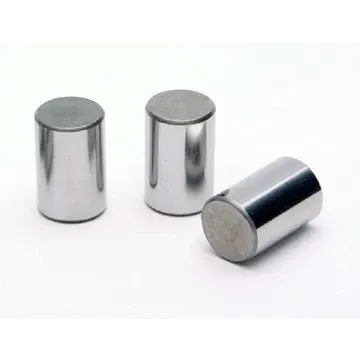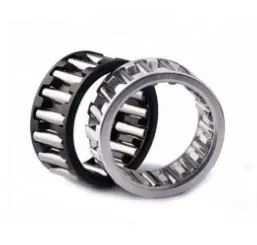
As a seasoned taper roller supplier, I've witnessed firsthand the challenges that come with dealing with excessive vibration in these critical components. Taper rollers are widely used in various industries, from automotive to heavy machinery, and vibration can significantly impact their performance, longevity, and overall efficiency. In this blog post, I'll share some practical strategies on how to reduce the vibration of a taper roller, drawing on my years of experience and industry knowledge.
Understanding the Causes of Vibration in Taper Rollers
Before we dive into the solutions, it's essential to understand the root causes of vibration in taper rollers. Several factors can contribute to this issue, including:
- Imbalance: Any uneven distribution of mass in the taper roller can cause it to vibrate as it rotates. This can be due to manufacturing defects, wear and tear, or improper installation.
- Misalignment: If the taper roller is not properly aligned with its mating components, it can create uneven forces and cause vibration. Misalignment can occur during installation or due to external factors such as thermal expansion or mechanical stress.
- Bearing Wear: Over time, the bearings that support the taper roller can wear out, leading to increased play and vibration. This can be exacerbated by factors such as high loads, poor lubrication, or contamination.
- External Forces: Taper rollers can be subjected to various external forces, such as vibrations from nearby machinery, shock loads, or uneven surfaces. These forces can cause the taper roller to vibrate and potentially lead to premature failure.
Strategies to Reduce Vibration in Taper Rollers
Now that we understand the causes of vibration, let's explore some strategies to reduce it and improve the performance of taper rollers.
1. Ensure Proper Installation
Proper installation is crucial for minimizing vibration in taper rollers. Here are some key steps to follow:
- Clean and Inspect: Before installation, thoroughly clean the mating surfaces and inspect the taper roller and its components for any signs of damage or wear. Remove any debris or contaminants that could affect the performance of the roller.
- Use the Right Tools: Use the appropriate tools and equipment for installation, such as a torque wrench to ensure proper tightening of bolts and nuts. Follow the manufacturer's recommended installation procedures and torque specifications.
- Align the Roller: Ensure that the taper roller is properly aligned with its mating components. Use alignment tools, such as dial indicators or laser alignment systems, to achieve accurate alignment. Misalignment can cause uneven forces and increase vibration.
- Lubricate the Roller: Apply the correct type and amount of lubricant to the taper roller and its bearings. Lubrication helps reduce friction and wear, which can contribute to vibration. Follow the manufacturer's recommendations for lubrication intervals and quantities.
2. Balance the Taper Roller
Balancing the taper roller is an effective way to reduce vibration caused by imbalance. Here's how you can do it:
- Static Balancing: Static balancing involves ensuring that the center of gravity of the taper roller is aligned with its axis of rotation. This can be done by adding or removing weight from the roller until it is balanced. Static balancing is typically done using a balancing machine or by using a simple balancing stand.
- Dynamic Balancing: Dynamic balancing is a more precise method that involves balancing the taper roller while it is rotating. This is typically done using a dynamic balancing machine, which measures the vibration and determines the amount and location of the imbalance. The machine then adds or removes weight from the roller to achieve balance.
3. Maintain the Bearings
Proper maintenance of the bearings that support the taper roller is essential for reducing vibration. Here are some tips for bearing maintenance:
- Lubrication: Regularly lubricate the bearings according to the manufacturer's recommendations. Use the correct type and amount of lubricant to ensure proper operation and reduce friction and wear.
- Inspection: Periodically inspect the bearings for signs of wear, damage, or contamination. Look for symptoms such as excessive play, noise, or heat. Replace any worn or damaged bearings promptly.
- Cleaning: Keep the bearings clean and free from debris and contaminants. Use a clean cloth or brush to remove any dirt or grime from the bearings. Avoid using abrasive cleaners or solvents that could damage the bearings.
- Proper Storage: When not in use, store the bearings in a clean, dry environment. Protect them from moisture, dust, and other contaminants. Use appropriate storage containers or bags to prevent damage.
4. Minimize External Forces
Reducing the impact of external forces on the taper roller can help minimize vibration. Here are some ways to do it:
- Isolation: Use vibration isolation mounts or pads to reduce the transmission of vibrations from nearby machinery or equipment. These mounts absorb and dampen vibrations, preventing them from reaching the taper roller.
- Shock Absorption: Install shock absorbers or dampers to protect the taper roller from shock loads. These devices absorb and dissipate the energy of the shock, reducing the impact on the roller.
- Surface Preparation: Ensure that the surface on which the taper roller operates is smooth and level. Uneven surfaces can cause the roller to vibrate and potentially lead to premature failure. Use appropriate surface finishing techniques or leveling devices to achieve a smooth and level surface.
5. Choose the Right Taper Roller
Selecting the right taper roller for your application is crucial for reducing vibration. Consider the following factors when choosing a taper roller:
- Load Capacity: Choose a taper roller with a load capacity that is suitable for your application. Overloading the roller can cause excessive vibration and premature failure.
- Speed Rating: Ensure that the taper roller has a speed rating that is compatible with your operating conditions. High-speed applications require rollers with higher speed ratings to prevent vibration and heat generation.
- Precision: Select a taper roller with a high level of precision to minimize vibration. Precision rollers are manufactured to tighter tolerances, which results in smoother operation and reduced vibration.
- Quality: Choose a taper roller from a reputable manufacturer that uses high-quality materials and manufacturing processes. High-quality rollers are more likely to have better performance and durability, reducing the risk of vibration and premature failure.
Conclusion
Reducing the vibration of a taper roller is essential for improving its performance, longevity, and overall efficiency. By understanding the causes of vibration and implementing the strategies outlined in this blog post, you can minimize vibration and ensure the reliable operation of your taper rollers. Remember to follow the manufacturer's recommendations for installation, maintenance, and lubrication, and choose the right taper roller for your application. If you have any questions or need further assistance, please don't hesitate to [Contact us for procurement and negotiation].
References
-
Manufacturer's manuals and technical documentation
-
Industry standards and guidelines
-
Professional literature and research papers on taper roller technology and vibration reduction
-