
Hey there! As a supplier of metric steel balls, I've heard a lot of concerns from customers about the noise these little guys can make. In this blog, I'm gonna share some tips on how to reduce that annoying noise when using metric steel balls.
Understanding the Noise Source
First things first, we need to know where the noise comes from. When metric steel balls are in use, especially in applications like bearings or ball screws, the noise can be caused by several factors.
One major factor is the surface roughness of the steel balls. If the surface isn't smooth enough, it can create friction when it moves against other components. This friction then generates vibrations, which turn into noise. Another factor is the material quality. Low - quality steel might have internal defects or inconsistent hardness, leading to uneven movement and more noise. Also, the way the steel balls are installed matters. Incorrect installation can put extra stress on the balls, causing them to make more noise than usual.
Selecting the Right Steel Balls
Choosing the right type of steel balls is crucial for noise reduction.
High - Quality Materials
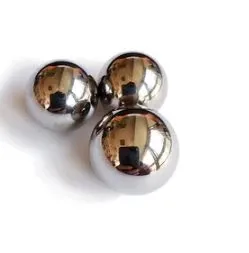
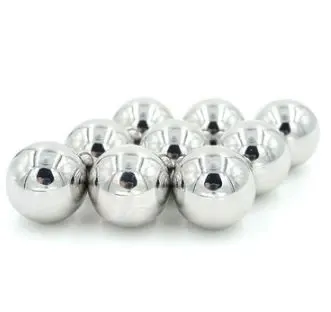
Opt for high - quality materials. For instance, High Chrome Steel Balls are a great choice. They have excellent hardness and wear resistance. The high chrome content helps to form a smooth and hard surface, reducing friction and thus noise. These balls can maintain their shape and performance over a long time, which is really important for quiet operation.
Appropriate Size
The size of the steel balls also plays a role. You need to make sure the size is suitable for your application. If the balls are too large or too small, they won't fit properly in the bearing or other components, which can lead to increased noise. For example, in a small - sized bearing, using large steel balls will cause excessive pressure and more noise. So, always check the specifications and choose the right size.
Surface Treatment
Surface treatment can significantly reduce the noise of metric steel balls.
Polishing
Polishing the steel balls can make their surface smoother. A smooth surface means less friction when the balls move. You can use various polishing techniques, like mechanical polishing or chemical polishing. Mechanical polishing uses abrasive materials to grind the surface, while chemical polishing uses chemicals to dissolve the rough parts. Both methods can improve the surface finish and reduce noise.
Coating
Applying a special coating to the steel balls is another option. There are different types of coatings available, such as polymer coatings or ceramic coatings. These coatings can act as a lubricant and reduce friction. They also protect the steel balls from corrosion, which can affect the noise level in the long run.
Lubrication
Lubrication is one of the most effective ways to reduce noise.
Choosing the Right Lubricant
There are many types of lubricants out there, like grease and oil. Grease is more suitable for applications where the speed is relatively low and the load is high. It can stay in place and provide long - term lubrication. On the other hand, oil is better for high - speed applications. It can quickly spread and reduce friction. You need to choose the lubricant based on your specific application requirements.
Proper Lubrication Amount
Applying the right amount of lubricant is also important. Too little lubricant won't provide enough protection, while too much can cause overheating and other problems. You should follow the manufacturer's recommendations on the lubrication amount.
Installation and Maintenance
Proper installation and maintenance are essential for keeping the noise down.
Correct Installation
When installing the metric steel balls, make sure to follow the correct procedures. Use the right tools and ensure that the balls are properly seated in the bearing or other components. Any misalignment during installation can cause uneven stress on the balls and increase noise.
Regular Maintenance
Regular maintenance is a must. Check the steel balls and the related components regularly for wear and tear. Replace any damaged parts promptly. Clean the components to remove dirt and debris, which can also contribute to noise.
Application - Specific Considerations
Different applications have different requirements for noise reduction.
In Bearings
In bearings, the pre - load is an important factor. Adjusting the pre - load can optimize the performance of the steel balls and reduce noise. Also, using a bearing with a proper internal clearance can help. A bearing with too much clearance can cause the balls to move around more freely, creating more noise.
In Ball Screws
For ball screws, the lead accuracy and the nut - to - screw fit are crucial. A high - precision ball screw with a good fit between the nut and the screw can minimize the noise generated during operation.
Conclusion
Reducing the noise when using metric steel balls requires a comprehensive approach. From selecting the right steel balls, treating their surface, using proper lubrication, to correct installation and maintenance, every step matters. By following these tips, you can significantly reduce the noise and improve the performance of your applications.
If you're interested in our metric steel balls or have any questions about noise reduction, feel free to reach out. We're always here to help you find the best solutions for your needs. Let's work together to make your projects run more quietly and efficiently.
References
- Machinery's Handbook
- Steel Ball Manufacturing and Application Guides