
Hey there! As a supplier of large steel balls, I've been thinking a lot about how we can reduce the environmental impacts of our production. It's no secret that the steel industry is one of the major contributors to environmental pollution, but I believe that with some smart strategies and a bit of innovation, we can make a significant difference. In this blog post, I'll share some of the ways we can cut down on the environmental footprint of large steel ball production.
1. Energy Efficiency
One of the biggest environmental challenges in steel ball production is the high energy consumption. The process of melting, forging, and heat - treating steel requires a massive amount of energy, most of which comes from non - renewable sources like coal and natural gas. To address this, we can focus on improving energy efficiency in our production facilities.
First off, upgrading our equipment is a must. Old furnaces and machinery are often less energy - efficient. By investing in modern, high - efficiency furnaces, we can reduce the amount of energy needed to melt the steel. For example, induction furnaces are known for their high energy efficiency compared to traditional arc furnaces. They heat the metal more evenly and quickly, using less power in the process.
Another way is to implement energy management systems. These systems can monitor and control energy usage in real - time, helping us identify areas where energy is being wasted. We can then take steps to optimize the process, like adjusting the temperature settings of the furnaces or reducing idle time of the equipment.
We can also look into using waste heat recovery systems. During the steel production process, a lot of heat is lost to the environment. By capturing this waste heat and using it for other purposes, such as pre - heating the raw materials or providing heating for the factory, we can significantly reduce our overall energy consumption.
2. Raw Material Sourcing
The sourcing of raw materials also has a big impact on the environment. Most steel is made from iron ore, which is mined from the earth. Mining operations can cause deforestation, soil erosion, and water pollution. To reduce these impacts, we can focus on using recycled steel as much as possible.
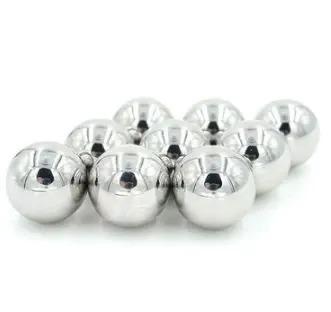
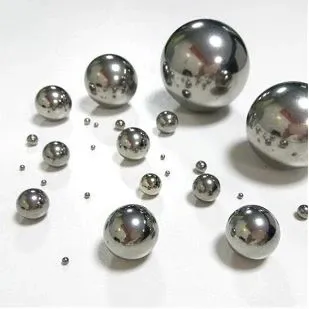
Recycled steel has the same quality as virgin steel but requires much less energy to produce. When we recycle steel, we don't have to go through the energy - intensive process of mining and refining iron ore. Instead, we can simply melt down the scrap steel and reshape it into new steel balls.
We can establish partnerships with scrap metal suppliers to ensure a steady supply of high - quality recycled steel. By promoting the use of recycled materials, we not only reduce the environmental impact but also support the circular economy.
In addition to recycled steel, we can also look for more sustainable sources of other raw materials. For example, some companies are exploring the use of bio - based binders in the production of steel balls. These binders are made from renewable resources and can reduce the use of harmful chemicals in the production process.
3. Reducing Emissions
Steel production is a major source of greenhouse gas emissions, mainly carbon dioxide. To reduce these emissions, we can adopt cleaner production technologies. One such technology is the use of hydrogen in the steel - making process. Hydrogen can be used as a reducing agent instead of coal or coke, which are major sources of carbon emissions. When hydrogen is used, the only by - product is water vapor, which is much more environmentally friendly.
Another approach is to install emission control systems in our production facilities. These systems can capture and treat the pollutants before they are released into the atmosphere. For example, scrubbers can be used to remove sulfur dioxide from the exhaust gases, and filters can be used to capture particulate matter.
We can also offset our emissions by investing in carbon offset projects. These projects can include activities like reforestation or renewable energy development. By supporting these projects, we can balance out the emissions we produce during the steel ball production process.
4. Water Conservation
Water is another important resource in steel ball production. The manufacturing process requires a large amount of water for cooling and cleaning purposes. To reduce water consumption, we can implement water recycling systems.
These systems collect the used water, treat it, and then reuse it in the production process. By recycling water, we can significantly reduce our water intake from natural sources. For example, we can use sedimentation tanks to remove solids from the water, and then use filtration and disinfection processes to make the water suitable for reuse.
We can also optimize our water usage by using more efficient cooling technologies. For instance, dry cooling systems use air instead of water for cooling, which can greatly reduce water consumption. Although these systems may require a higher initial investment, they can save a lot of water in the long run.
5. Product Design and Lifecycle Management
When it comes to reducing the environmental impact of large steel balls, product design also plays a crucial role. We can design our steel balls to be more durable and long - lasting. By increasing the lifespan of the products, we can reduce the frequency of replacement, which in turn reduces the overall environmental impact.
We can also consider the entire lifecycle of the steel balls, from production to disposal. After the steel balls have reached the end of their useful life, we can ensure that they are properly recycled. By making it easy for our customers to recycle the used steel balls, we can close the loop and keep the materials in the circular economy.
Links to Our Products
If you're interested in our steel ball products, you can check out our Carbon Steel Ball, Metal Ball, and Chorme Steel Ball on our website. These products are made with high - quality materials and strict manufacturing processes, and we're constantly working to make them more environmentally friendly.
Let's Connect
I believe that by taking these steps, we can make large steel ball production more sustainable and environmentally friendly. If you're in the market for high - quality large steel balls and are interested in our efforts to reduce environmental impacts, I'd love to hear from you. Let's start a conversation about how we can work together to meet your needs while also protecting our planet.
References
- "Sustainable Steel Production: A Review of Technologies and Strategies" - Journal of Environmental Engineering
- "Energy Efficiency in the Steel Industry" - International Energy Agency
- "Recycling in the Steel Sector" - World Steel Association