
Hey there! I'm a supplier of Tungsten Carbide Dies, and today I wanna talk about how to recycle used tungsten carbide dies. Tungsten carbide is an incredibly valuable material, known for its hardness, wear resistance, and high melting point. But once a die reaches the end of its useful life, what do we do with it? Well, recycling is the way to go, not only for environmental reasons but also for economic ones.
Why Recycle Tungsten Carbide Dies?
First off, let's understand why recycling these dies is so important. Tungsten is a scarce resource, and mining it can be pretty tough on the environment. By recycling used tungsten carbide dies, we can reduce the need for new mining operations. This helps in conserving natural resources and minimizing the environmental impact associated with mining, like soil erosion and water pollution.
From an economic perspective, recycling is a win - win. The recovered tungsten carbide can be reused to make new dies or other tools. This reduces the production cost for manufacturers because recycled materials are generally cheaper than newly mined ones. Plus, it also helps in stabilizing the market price of tungsten carbide products.
The Recycling Process
Now, let's dig into the actual recycling process of used tungsten carbide dies.
Collection
The first step is collecting the used dies. As a Tungsten Carbide Die supplier, I often have customers who return their old dies to us. We also collaborate with other industries that use these dies, like the fastener manufacturing industry and the automotive industry. By establishing a good collection network, we can gather a large quantity of used dies, which makes the recycling process more efficient.
Sorting
Once we have a batch of used dies, the next step is sorting. Not all dies are created equal, and different types of tungsten carbide have different compositions. We need to separate the dies based on their chemical composition, size, and condition. This is crucial because different recycling methods may be required for different types of dies. For example, dies with a high cobalt content may need a different treatment compared to those with a lower cobalt content.
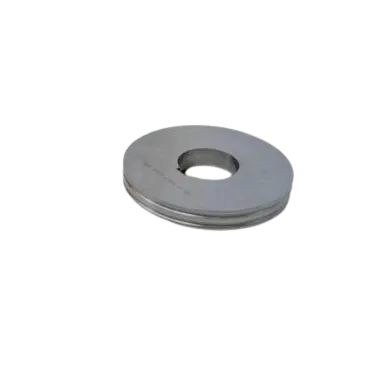
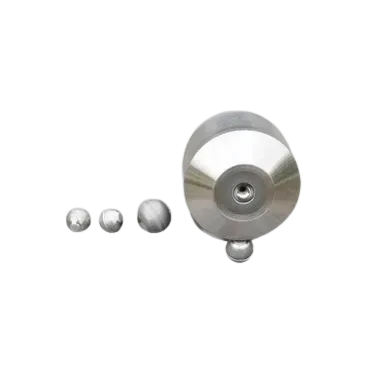
Pre - treatment
After sorting, the dies go through pre - treatment. This usually involves cleaning the dies to remove any dirt, grease, or other contaminants. We use various cleaning methods, such as ultrasonic cleaning or chemical cleaning. Ultrasonic cleaning uses high - frequency sound waves to dislodge dirt particles from the surface of the dies. Chemical cleaning, on the other hand, uses specific chemicals to dissolve the contaminants. This pre - treatment step is essential to ensure that the recycling process can proceed smoothly.
Recycling Methods
There are several methods to recycle tungsten carbide dies, and I'll introduce some of the common ones here.
Chemical Recycling
Chemical recycling is one of the most widely used methods. In this method, the used dies are dissolved in strong acids or alkalis. The chemical reaction breaks down the tungsten carbide into its individual components, such as tungsten, cobalt, and carbon. After that, these components can be separated and purified through a series of chemical processes. For example, we can use precipitation methods to separate tungsten from cobalt. Chemical recycling is very effective in recovering high - purity tungsten and cobalt, which can be used to make new tungsten carbide products.
Mechanical Recycling
Mechanical recycling involves crushing and grinding the used dies into small particles. These particles can then be mixed with other raw materials and sintered to form new tungsten carbide products. This method is relatively simple and cost - effective. However, the quality of the recycled product may be slightly lower compared to that produced by chemical recycling. But for some applications where high - precision is not required, mechanical recycling can be a good option.
Molten Salt Electrolysis
Molten salt electrolysis is a more advanced recycling method. In this process, the used dies are placed in a molten salt bath, and an electric current is passed through the bath. The electric current causes the tungsten carbide to decompose, and the tungsten and cobalt are deposited on the electrodes. This method can produce high - quality recycled tungsten carbide, but it requires specialized equipment and a high level of technical expertise.
Applications of Recycled Tungsten Carbide
The recycled tungsten carbide can be used in a wide range of applications.
Tool Manufacturing
One of the most common applications is in tool manufacturing. We can use the recycled tungsten carbide to make new Feed Roll, Carbide Cold Heading Dies, and Cold Forming/forging Tools. These tools have similar performance to those made from newly mined tungsten carbide, but at a lower cost. This makes them very attractive to manufacturers, especially small and medium - sized enterprises.
Wear - resistant Parts
Recycled tungsten carbide can also be used to make wear - resistant parts. For example, in the mining industry, wear - resistant parts made from recycled tungsten carbide can be used in crushers, conveyors, and other equipment. These parts can withstand the harsh working conditions in the mining environment, such as high - pressure and high - temperature, and have a long service life.
Jewelry
Believe it or not, recycled tungsten carbide is also used in the jewelry industry. Tungsten carbide has a unique luster and hardness, which makes it a popular material for making rings, necklaces, and other jewelry items. By using recycled tungsten carbide, jewelry manufacturers can offer high - quality products at a more affordable price.
Conclusion
Recycling used tungsten carbide dies is not only good for the environment but also makes economic sense. As a Tungsten Carbide Die supplier, I'm committed to promoting the recycling of these dies. Through a well - established collection network, proper sorting, pre - treatment, and advanced recycling methods, we can turn used dies into valuable resources.
If you're in the market for Tungsten Carbide Dies or have some used dies that you want to recycle, don't hesitate to get in touch with us. We can offer you high - quality products made from recycled tungsten carbide and also provide professional recycling services. Let's work together to make the tungsten carbide industry more sustainable!
References
- "Tungsten Carbide: Properties, Production, and Applications" - A technical book on tungsten carbide
- Industry reports on the recycling of tungsten carbide products
- Research papers on different recycling methods of tungsten carbide