
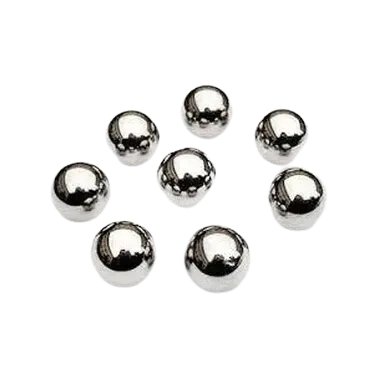
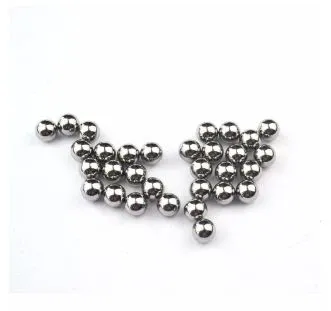
Hey there! I'm a supplier of Metric Steel Balls, and today I wanna chat about how to recycle used metric steel balls. It's not only good for the environment but can also save you some bucks in the long run.
Why Recycle Used Metric Steel Balls?
First off, let's talk about why recycling these steel balls is a big deal. Steel is a valuable material, and making new steel balls from scratch requires a ton of energy and resources. By recycling used metric steel balls, we can reduce the demand for virgin materials and cut down on the environmental impact of steel production.
Another reason is cost - efficiency. For businesses, buying recycled steel balls can be a lot cheaper than brand - new ones. And if you're a manufacturer, recycling your used steel balls can help you save on waste disposal costs.
Step 1: Collection
The first step in recycling used metric steel balls is collecting them. If you're a business, you can set up a collection system within your facility. For example, you can have designated bins where employees can deposit used steel balls. Make sure these bins are clearly labeled so that everyone knows what goes in them.
If you're a smaller operation or an individual, you can collect used steel balls from your own projects or even ask around in your local community. Some workshops or manufacturing plants might be willing to give away their used steel balls for free, especially if they don't have a recycling program in place.
Step 2: Sorting
Once you've collected a good amount of used metric steel balls, it's time to sort them. This is an important step because different types of steel balls need to be recycled separately.
Start by separating the steel balls based on their size. You can use sieves or sorting trays to do this. It's also a good idea to check for any signs of damage or contamination. Balls that are severely damaged or have been exposed to chemicals might not be suitable for recycling.
Also, pay attention to the type of steel. For example, there are carbon steel balls, stainless steel balls like the 316 Stainless Steel Balls, and alloy steel balls. Each type has different properties and recycling requirements.
Step 3: Cleaning
After sorting, the next step is cleaning the steel balls. Cleaning helps remove any dirt, grease, or other contaminants that might be on the surface of the balls.
You can use a simple cleaning solution, like a mixture of water and mild detergent. Soak the steel balls in the solution for a while, then use a brush to scrub them gently. Rinse them thoroughly with clean water and let them dry completely before moving on to the next step.
If the steel balls are really dirty or have stubborn contaminants, you might need to use more specialized cleaning methods. For example, you could use ultrasonic cleaning, which uses high - frequency sound waves to remove dirt from the surface of the balls.
Step 4: Melting
Once the steel balls are clean and dry, it's time to melt them down. Melting is usually done in a furnace. The temperature required for melting steel depends on the type of steel. For example, carbon steel typically melts at around 1425 - 1540°C (2600 - 2800°F), while stainless steel has a higher melting point.
It's important to use a furnace that can reach the appropriate temperature and has good temperature control. This ensures that the steel melts evenly and that the quality of the recycled steel is consistent.
During the melting process, you might also need to add some additives to the molten steel to adjust its properties. For example, you might add alloying elements to improve the strength or corrosion resistance of the recycled steel.
Step 5: Re - forming
After the steel has been melted, it's time to re - form it into new steel balls. There are several methods for re - forming, and the choice depends on the size and quantity of the balls you want to make.
One common method is casting. In casting, the molten steel is poured into molds of the desired shape and size. The steel then cools and solidifies in the molds, forming new steel balls.
Another method is forging. Forging involves using a hammer or a press to shape the molten steel into balls. Forging can produce steel balls with better mechanical properties, but it's usually more suitable for smaller quantities.
Step 6: Quality Control
Once the new steel balls have been formed, it's crucial to perform quality control checks. Check the size, shape, and surface finish of the balls. They should meet the required specifications for your intended use.
You can use measuring tools, like calipers, to check the size of the balls. Inspect the surface of the balls for any cracks, pits, or other defects. If any balls don't meet the quality standards, they can be recycled again or used for other purposes.
Other Considerations
When recycling used metric steel balls, there are a few other things to keep in mind.
First, make sure you comply with all local regulations regarding recycling and steel production. There might be rules about waste disposal, emissions from furnaces, and the use of additives in the melting process.
Second, think about the market for recycled steel balls. There's a growing demand for recycled materials, but you need to find the right customers. You can target industries like manufacturing, automotive, and aerospace, which use steel balls in their products.
If you're interested in other types of steel balls, we also have Inch Steel Ball and Ball Bearing Balls available. These are also high - quality products that can meet different needs.
Connect with Us
If you're looking to buy recycled metric steel balls or have a large quantity of used steel balls that you want to recycle, I'd love to hear from you. Recycling is a win - win situation for everyone, and I'm here to help you make the most of it. Whether you're a small business or a large manufacturer, we can work together to find the best solution for your steel ball needs.
References
- "Recycling of Metals: Principles and Practice" by J. W. Evans and B. C. Muddle
- "Steel: Processing, Structure, and Performance" by George Krauss
- Industry reports on steel recycling and production