
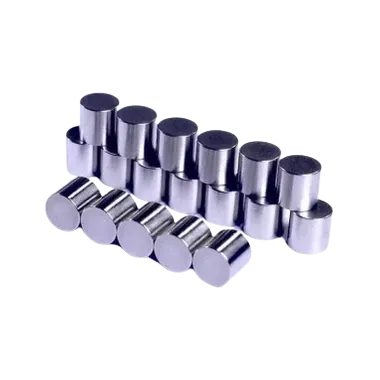
Hey there! As a supplier of cylindrical rollers, I've seen firsthand how corrosion can mess things up big time. Corrosion not only shortens the lifespan of these rollers but also affects the performance of the machinery they're a part of. So, in this blog, I'm gonna share some tips on how to prevent the corrosion of cylindrical rollers.
Understanding Corrosion
Before we dive into the prevention methods, let's quickly understand what corrosion is. Corrosion is basically a chemical reaction that occurs when metals, like the ones used in cylindrical rollers, react with their environment. This reaction leads to the deterioration of the metal surface, which can cause pitting, cracking, and other forms of damage.
There are different types of corrosion that can affect cylindrical rollers. One common type is rust, which happens when iron-based metals react with oxygen and water. Another type is galvanic corrosion, which occurs when two different metals are in contact with each other in the presence of an electrolyte, like saltwater.
Choosing the Right Materials
One of the first steps in preventing corrosion is to choose the right materials for your cylindrical rollers. Stainless steel is a popular choice because it contains chromium, which forms a protective oxide layer on the surface of the metal. This layer helps prevent oxygen and water from reaching the metal, reducing the risk of rust.
Another option is to use coated rollers. Coatings can provide an extra layer of protection against corrosion. For example, a zinc coating can act as a sacrificial anode, corroding before the underlying metal. There are also polymer coatings available that can provide a barrier between the metal and the environment.
Proper Storage
How you store your cylindrical rollers can also have a big impact on their corrosion resistance. Rollers should be stored in a dry, clean environment. Moisture is one of the main culprits when it comes to corrosion, so keeping the storage area dry is crucial.
It's also a good idea to store the rollers in a protective packaging. This can prevent them from coming into contact with dust, dirt, and other contaminants that could potentially cause corrosion. If possible, use desiccants in the packaging to absorb any moisture.
Lubrication
Lubrication plays a vital role in preventing corrosion. A good lubricant can form a protective film on the surface of the rollers, preventing oxygen and water from reaching the metal. It also helps reduce friction, which can prevent wear and tear that could expose the metal to the environment.
When choosing a lubricant, make sure it's compatible with the material of the rollers and the operating conditions. Some lubricants are specifically designed for use in corrosive environments. These lubricants often contain additives that enhance their corrosion resistance.
Regular Inspection and Maintenance
Regular inspection and maintenance are essential for preventing corrosion. By inspecting the rollers regularly, you can catch any signs of corrosion early and take action to prevent it from getting worse. Look for signs of rust, pitting, or discoloration on the surface of the rollers.
If you notice any signs of corrosion, you can take steps to remove it. For minor corrosion, you can use a mild abrasive to clean the surface of the roller. For more severe corrosion, you may need to use a chemical cleaner. After cleaning, make sure to apply a new layer of lubricant to protect the roller.
Environmental Control
Controlling the environment where the cylindrical rollers are used can also help prevent corrosion. If the rollers are used in a harsh environment, such as a chemical plant or a marine environment, you may need to take extra precautions.
For example, you can use enclosures or covers to protect the rollers from exposure to corrosive substances. You can also install ventilation systems to remove moisture and contaminants from the air. In some cases, it may be necessary to use a dehumidifier to control the humidity levels in the environment.
Comparing with Other Types of Rollers
It's interesting to compare cylindrical rollers with other types of rollers like Needle Roller, Spherical Roller, and Conical Rollers. Each type of roller has its own unique characteristics and corrosion prevention requirements.
Needle rollers are small and have a high load-carrying capacity. They are often used in applications where space is limited. Due to their small size, they may be more susceptible to corrosion in some cases. However, the same principles of material selection, lubrication, and environmental control apply to them as well.
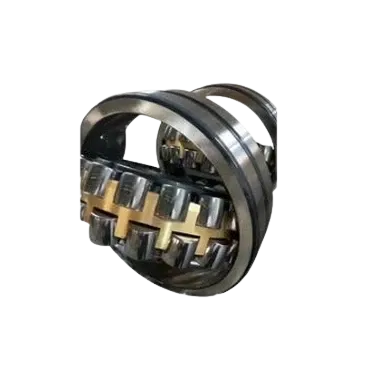
Spherical rollers are designed to accommodate misalignment. They have a spherical outer surface, which allows them to self-align. This can reduce stress on the rollers and potentially reduce the risk of corrosion. However, they still need to be properly maintained to prevent corrosion.
Conical rollers are used in applications where there is a need for high thrust loads. They have a tapered shape, which can make them more challenging to protect against corrosion. Special attention should be paid to the lubrication and surface treatment of conical rollers to ensure their long-term performance.
Conclusion
Preventing the corrosion of cylindrical rollers is crucial for ensuring their long-term performance and reliability. By choosing the right materials, storing them properly, lubricating them regularly, and performing regular inspections and maintenance, you can significantly reduce the risk of corrosion.
If you're in the market for high-quality cylindrical rollers or need more information on corrosion prevention, don't hesitate to reach out. We're here to help you find the best solutions for your needs. Whether you're dealing with a small-scale project or a large industrial application, we've got the expertise and the products to support you.
References
- ASM Handbook, Volume 13A: Corrosion: Fundamentals, Testing, and Protection
- Machinery's Handbook, 31st Edition
- Tribology Handbook, Second Edition