
Cold heading punches are essential tools in the cold heading process, used to shape metal parts by applying high pressure. However, the breakage of cold heading punches can lead to production delays, increased costs, and reduced product quality. As a trusted supplier of Cold Heading Punches, we understand the importance of preventing punch breakage. In this blog, we will explore the causes of cold heading punch breakage and provide practical strategies to prevent it.
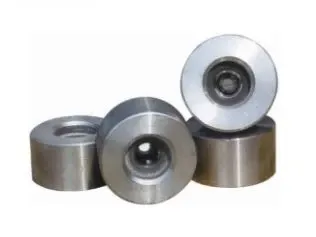
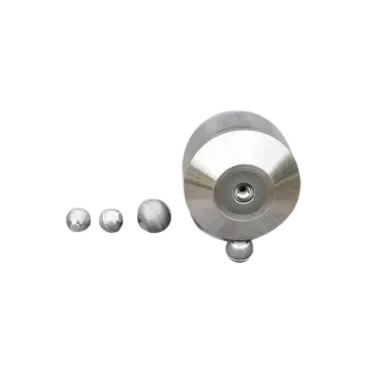
Understanding the Causes of Cold Heading Punch Breakage
Material Defects
The quality of the material used to manufacture cold heading punches is crucial. Defects such as inclusions, porosity, or improper heat treatment can weaken the punch and make it more prone to breakage. For example, inclusions can act as stress concentrators, leading to crack initiation and propagation under high stress during the cold heading process.
Improper Design
The design of the cold heading punch plays a significant role in its performance. A poorly designed punch may have sharp corners, which can cause stress concentrations. Additionally, if the punch's dimensions are not optimized for the specific cold heading application, it may experience excessive stress and breakage. For instance, if the punch is too thin or has an improper aspect ratio, it may not be able to withstand the high forces exerted during the forming process.
Overloading
Overloading is one of the most common causes of cold heading punch breakage. When the punch is subjected to forces beyond its design capacity, it can lead to plastic deformation and eventual breakage. Overloading can occur due to factors such as excessive feed rate, incorrect die clearance, or using the punch for a material with higher strength than it is designed for.
Wear and Tear
Continuous use of cold heading punches can cause wear and tear on the punch surface. As the punch wears, its dimensions change, and the stress distribution on the punch becomes uneven. This can lead to localized stress concentrations, which can eventually cause the punch to break. Additionally, wear can also reduce the punch's hardness and toughness, making it more susceptible to breakage.
Poor Lubrication
Lubrication is essential in the cold heading process to reduce friction between the punch and the workpiece. Without proper lubrication, the friction can generate excessive heat, which can soften the punch material and reduce its strength. Moreover, the high friction can also cause the punch to stick to the workpiece, leading to increased stress and potential breakage.
Strategies to Prevent Cold Heading Punch Breakage
Select High - Quality Materials
Choosing the right material for cold heading punches is the first step in preventing breakage. High - quality materials with good hardness, toughness, and wear resistance are essential. Tungsten carbide is a popular choice for cold heading punches due to its excellent properties. Tungsten Carbide Die is known for its high hardness, which allows it to withstand the high forces in the cold heading process, and its good wear resistance, which extends the punch's service life.
Optimize Punch Design
Work with experienced engineers to optimize the punch design. This includes eliminating sharp corners and ensuring smooth transitions in the punch geometry to reduce stress concentrations. The punch's dimensions should be carefully calculated based on the specific cold heading application, including the material being formed, the shape of the part, and the expected forces. For example, using a more rounded nose design can distribute the stress more evenly during the forming process.
Control the Operating Conditions
To prevent overloading, it is crucial to control the operating conditions of the cold heading machine. This includes setting the appropriate feed rate, ensuring correct die clearance, and using the punch only for materials within its design strength range. Regularly monitor the machine's parameters during the cold heading process to ensure that they are within the recommended limits.
Implement Preventive Maintenance
Regular maintenance of cold heading punches is essential to detect and address wear and tear early. Inspect the punches regularly for signs of wear, such as surface roughness, dimensional changes, or cracks. Replace worn punches promptly to prevent further damage to the punches and the parts being formed. Additionally, proper storage of the punches when not in use can also prevent damage.
Use Proper Lubrication
Select the appropriate lubricant for the cold heading process and ensure that it is applied correctly. The lubricant should be able to reduce friction, dissipate heat, and prevent the punch from sticking to the workpiece. Regularly check the lubrication system to ensure that it is functioning properly and that the lubricant is being applied evenly.
Train the Operators
Proper training of the machine operators is vital. Operators should be educated about the causes of punch breakage and the importance of following the correct operating procedures. They should also be trained on how to perform basic maintenance tasks, such as punch inspection and lubrication system checks.
The Role of Quality Control
As a Cold Heading Punches supplier, we implement strict quality control measures at every stage of the manufacturing process. From raw material inspection to final product testing, we ensure that our punches meet the highest quality standards. We use advanced testing equipment to check the hardness, density, and dimensional accuracy of the punches. By providing high - quality punches, we help our customers reduce the risk of punch breakage and improve their production efficiency.
The Benefits of Preventing Cold Heading Punch Breakage
Preventing cold heading punch breakage offers several benefits. Firstly, it reduces production downtime. When a punch breaks, the cold heading machine has to be stopped for punch replacement and potential machine adjustment, which can cause significant delays in production. Secondly, it lowers production costs. Frequent punch replacement due to breakage can be expensive, not to mention the cost of damaged parts. By preventing breakage, companies can save on punch replacement costs and reduce the amount of scrap material. Thirdly, it improves product quality. A well - functioning punch ensures consistent part quality, which is crucial for meeting customer requirements.
Conclusion
Preventing the breakage of cold heading punches is a complex but achievable goal. By understanding the causes of breakage and implementing the strategies outlined above, manufacturers can significantly reduce the risk of punch breakage. As a leading supplier of Cold Heading Punches and Carbide Cold Heading Dies, we are committed to providing high - quality tools and technical support to our customers. If you are looking for reliable cold heading punches or need advice on preventing punch breakage, please feel free to contact us for procurement discussions. We look forward to working with you to improve your cold heading process.
References
- "Cold Heading Technology Handbook" by an industry expert.
- Technical papers on cold heading tool materials and design from leading research institutions.
- Manufacturer's manuals for cold heading machines and tools.