
Hey there! I'm a supplier of Metal Balls, and I know how frustrating it can be when these little guys start to corrode. Corrosion not only messes up the appearance of the metal balls but also affects their performance and lifespan. So, today, I'm gonna share some tips on how to prevent metal balls from corrosion.
Understanding Corrosion
Before we dive into the prevention methods, let's quickly understand what corrosion is. Corrosion is basically a chemical reaction between the metal and its environment. When metal balls come into contact with oxygen, moisture, or certain chemicals, they start to break down. For example, iron metal balls can rust when they react with oxygen and water in the air. This rust is a form of corrosion that weakens the metal and can cause it to flake off.
Choose the Right Metal
One of the first steps in preventing corrosion is to choose the right type of metal for your metal balls. Different metals have different levels of resistance to corrosion.
- Stainless Steel Balls: Stainless steel is a popular choice because it contains chromium, which forms a protective oxide layer on the surface of the metal. This layer prevents oxygen and moisture from reaching the metal underneath, reducing the risk of corrosion. Metal Ball made from stainless steel are great for applications where corrosion resistance is important, like in marine environments or food processing industries.
- Chrome Steel Balls: Chorme Steel Ball also offer good corrosion resistance. Chrome adds hardness and durability to the steel, and it also helps in forming a protective layer. These balls are often used in high - performance bearings and other mechanical applications.
- DIN 5401 Steel Balls: Din 5401 Steel Ball are manufactured according to specific standards. They are made from high - quality steel that can be treated to enhance its corrosion resistance. These balls are commonly used in precision machinery and automotive applications.
Surface Treatment
Surface treatment is another effective way to prevent corrosion. Here are some common surface treatment methods:
- Galvanizing: This involves coating the metal balls with a layer of zinc. Zinc is more reactive than the base metal, so it corrodes first, sacrificing itself to protect the underlying metal. Galvanized metal balls are widely used in outdoor applications where they are exposed to the elements.
- Painting or Coating: Applying a paint or a special coating to the metal balls can create a physical barrier between the metal and the environment. There are various types of coatings available, such as epoxy coatings, which are highly resistant to chemicals and moisture.
- Passivation: Passivation is a chemical process that removes free iron from the surface of the metal and forms a passive oxide layer. This layer is more resistant to corrosion than the untreated metal surface. It's commonly used for stainless steel metal balls.
Proper Storage
How you store your metal balls can also have a big impact on their corrosion resistance.
- Keep Them Dry: Moisture is one of the main culprits when it comes to corrosion. Store your metal balls in a dry environment, away from sources of humidity like open windows or water pipes. You can use desiccants in the storage containers to absorb any moisture.
- Separate from Other Metals: Different metals can cause galvanic corrosion when they come into contact with each other in the presence of an electrolyte (like moisture). So, it's a good idea to store metal balls made of different metals separately.
- Use Protective Packaging: Wrap the metal balls in protective materials like plastic bags or bubble wrap. This can prevent them from getting scratched or coming into contact with corrosive substances during storage and transportation.
Maintenance and Inspection
Regular maintenance and inspection are crucial for preventing corrosion.
- Cleaning: Clean the metal balls regularly to remove any dirt, dust, or contaminants that could promote corrosion. You can use mild detergents and soft brushes for cleaning. After cleaning, make sure to dry the balls thoroughly.
- Inspection: Check the metal balls for any signs of corrosion on a regular basis. Look for rust spots, discoloration, or any changes in the surface texture. If you notice any early signs of corrosion, take action immediately to prevent it from spreading.
Environmental Control
If possible, control the environment where the metal balls are used.
- Reduce Humidity: In indoor environments, you can use dehumidifiers to keep the humidity levels low. This can significantly reduce the risk of corrosion, especially for metal balls used in sensitive equipment.
- Avoid Chemical Exposure: Keep the metal balls away from chemicals that can cause corrosion. If they are used in an industrial setting, make sure to follow proper safety procedures and use appropriate protective measures.
Handling with Care
How you handle the metal balls can also affect their corrosion resistance.
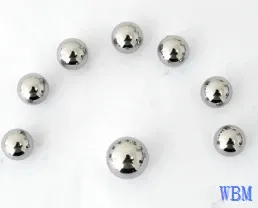
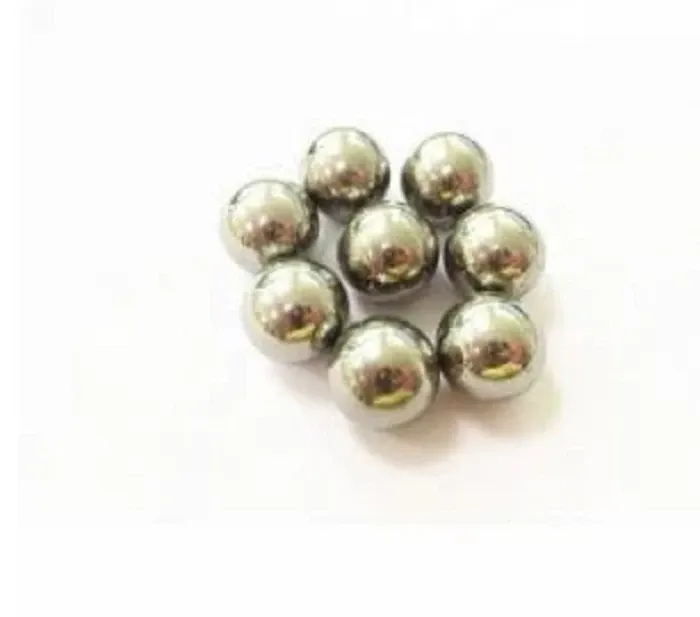
- Use Gloves: When handling metal balls, wear gloves to prevent the transfer of sweat and oils from your hands to the metal surface. Sweat contains salts and acids that can cause corrosion.
- Avoid Rough Handling: Rough handling can scratch the surface of the metal balls, exposing the underlying metal to the environment and increasing the risk of corrosion. So, be gentle when handling and installing the metal balls.
In conclusion, preventing metal balls from corrosion requires a combination of choosing the right metal, applying appropriate surface treatments, proper storage, regular maintenance, environmental control, and careful handling. By following these tips, you can ensure that your metal balls stay in good condition for a long time.
If you're in the market for high - quality metal balls with excellent corrosion resistance, I'd love to have a chat with you. Whether you need Metal Ball, Chorme Steel Ball, or Din 5401 Steel Ball, I can provide you with the best products to meet your needs. Feel free to reach out and let's start a conversation about your metal ball requirements.
References
- "Corrosion Basics" by NACE International
- "Materials Science and Engineering: An Introduction" by William D. Callister Jr. and David G. Rethwisch
- Various industry standards and guidelines related to metal ball manufacturing and corrosion prevention.