
Rolling elements are critical components in various machinery and equipment, playing a vital role in reducing friction and enabling smooth rotational or linear motion. As a leading supplier of rolling elements, we understand the significance of preventing damage to these components during handling. Damage to rolling elements can lead to premature failure, increased maintenance costs, and potential safety hazards. In this blog post, we will explore some effective strategies to prevent damage to rolling elements during handling.
Understanding the Vulnerabilities of Rolling Elements
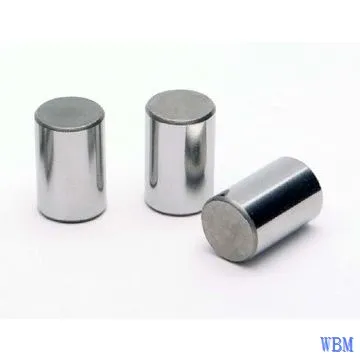
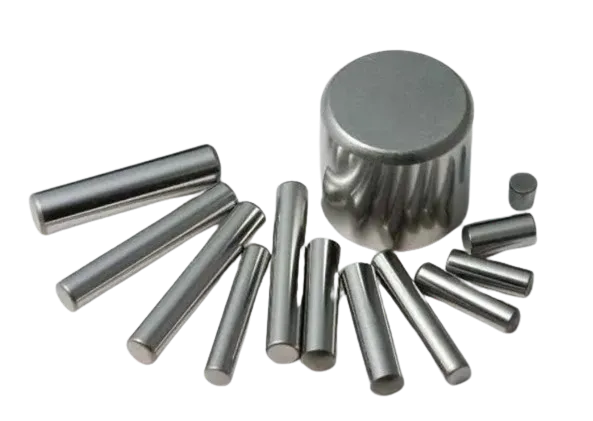
Before delving into prevention strategies, it's essential to understand the vulnerabilities of rolling elements. Rolling elements, such as balls, rollers, and needles, are typically made of high - quality steel or other advanced materials. However, they are still susceptible to damage from various factors during handling, including:
- Mechanical Impact: Dropping, hitting, or applying excessive force during handling can cause cracks, chips, or deformation on the surface of rolling elements. Even a small crack can propagate over time, leading to complete failure.
- Contamination: Dust, dirt, metal shavings, and other contaminants can adhere to the surface of rolling elements. These contaminants can act as abrasives, causing wear and tear on the rolling surfaces and reducing the lifespan of the components.
- Corrosion: Exposure to moisture, chemicals, or harsh environmental conditions can cause corrosion on the surface of rolling elements. Corrosion can weaken the material structure, leading to pitting, flaking, and ultimately, failure.
- Improper Storage: Storing rolling elements in an improper environment, such as in a humid or dirty area, can also lead to damage. Incorrect storage can cause rusting, deformation, or contamination.
Strategies for Preventing Damage During Handling
1. Use Proper Handling Equipment
One of the most effective ways to prevent damage to rolling elements is to use proper handling equipment. This includes using clean, non - abrasive tools such as tweezers, pliers, or vacuum pick - up devices when handling small rolling elements. For larger rolling elements, use lifting equipment such as cranes or forklifts with appropriate attachments to ensure a secure and stable lift.
When using tools, make sure they are clean and free of any contaminants. Avoid using tools with sharp edges that could scratch or damage the surface of the rolling elements. Additionally, ensure that the handling equipment is in good working condition and properly maintained to prevent any unexpected failures during handling.
2. Implement a Clean Handling Environment
Maintaining a clean handling environment is crucial for preventing contamination of rolling elements. This can be achieved by working in a cleanroom or a dedicated handling area that is free of dust, dirt, and other contaminants. Use air filters, vacuum cleaners, and cleaning agents to keep the area clean.
Before handling rolling elements, make sure your hands are clean and dry. Wear clean gloves to prevent direct contact with the components, as skin oils and dirt can contaminate the surface. Also, ensure that all work surfaces, containers, and storage areas are clean and free of debris.
3. Follow Correct Lifting and Moving Procedures
When lifting and moving rolling elements, it's important to follow correct procedures to prevent mechanical impact and deformation. Always lift rolling elements from the appropriate points to ensure a balanced and stable lift. Avoid sudden movements or jerks that could cause the rolling elements to shift or fall.
When transporting rolling elements, use appropriate packaging materials to protect them from damage. For example, use foam inserts, padded containers, or shock - absorbing materials to cushion the rolling elements during transit. Label the packages clearly to indicate the contents and any special handling instructions.
4. Protect Against Corrosion
To prevent corrosion, it's important to protect rolling elements from exposure to moisture and chemicals. Store rolling elements in a dry environment with low humidity levels. Use desiccants or moisture - absorbing materials in storage containers to keep the air dry.
If rolling elements need to be stored for an extended period, consider applying a corrosion - resistant coating or lubricant to the surface. This can provide an additional layer of protection against corrosion. However, make sure to follow the manufacturer's instructions when applying coatings or lubricants to avoid any adverse effects on the performance of the rolling elements.
5. Train Handling Personnel
Proper training of handling personnel is essential for preventing damage to rolling elements. Provide comprehensive training on the correct handling procedures, including the use of handling equipment, maintaining a clean environment, and following safety protocols.
Training should also include information on the potential risks and consequences of improper handling. Make sure that all handling personnel are aware of the importance of preventing damage to rolling elements and are equipped with the knowledge and skills to do so.
Specific Considerations for Different Types of Rolling Elements
Tapered Rollers
Tapered rollers, such as the Interroll Tapered Roller, are commonly used in applications where high radial and axial loads need to be supported. When handling tapered rollers, pay special attention to the tapered shape. Avoid applying excessive force or pressure on the tapered ends, as this can cause deformation.
During storage, make sure to store tapered rollers in a way that prevents them from rolling or shifting. Use specialized storage racks or containers that can hold the tapered rollers securely in place.
Cylindrical Rollers
Cylindrical rollers, like the Cylindrical roller for industrial and wind - power bearings, are widely used in industrial and wind - power applications. When handling cylindrical rollers, ensure that they are handled in a straight and aligned manner. Avoid bending or twisting the rollers, as this can cause internal stress and damage.
Also, be careful when cleaning cylindrical rollers, as the smooth surface can be easily scratched. Use a soft brush or a non - abrasive cleaning agent to remove any contaminants.
Conclusion
Preventing damage to rolling elements during handling is a critical aspect of ensuring the quality and performance of these components. By understanding the vulnerabilities of rolling elements and implementing effective prevention strategies, such as using proper handling equipment, maintaining a clean environment, following correct procedures, protecting against corrosion, and training handling personnel, we can significantly reduce the risk of damage.
As a trusted supplier of rolling elements, we are committed to providing high - quality products and supporting our customers in ensuring the proper handling and use of our rolling elements. If you are interested in purchasing our rolling elements or have any questions about their handling and maintenance, we invite you to contact us for a procurement discussion. Our team of experts will be happy to assist you with your specific needs.
References
- "Rolling Bearing Technology Handbook", SKF Group
- "Engineering Tribology", Stachowiak and Batchelor
- Manufacturer's guidelines for handling and storage of rolling elements