
Hey there! As a Carbon Steel Ball supplier, I know firsthand how frustrating it can be when these useful little guys start to rust. Rust not only makes the balls look bad but also affects their performance and lifespan. So, I'm here to share some practical tips on how to prevent carbon steel balls from rusting.
Understanding Why Carbon Steel Balls Rust
First off, let's quickly talk about why carbon steel balls rust. Carbon steel contains iron, and when iron comes into contact with oxygen and moisture, a chemical reaction occurs, forming iron oxide – that reddish-brown stuff we call rust. This process can be sped up by factors like high humidity, exposure to certain chemicals, and scratches on the ball's surface.
Storage Conditions
One of the most important steps in preventing rust is proper storage. You want to keep your carbon steel balls in a dry environment. Humidity is like kryptonite for these balls. If you store them in a place with high humidity, moisture will condense on the balls, and rust will start to form in no time.
A good option is to use a dehumidifier in the storage area. This helps to keep the humidity level low, usually around 30 - 40%. You can also store the balls in airtight containers. This creates a barrier between the balls and the outside air, reducing the chances of moisture getting to them.
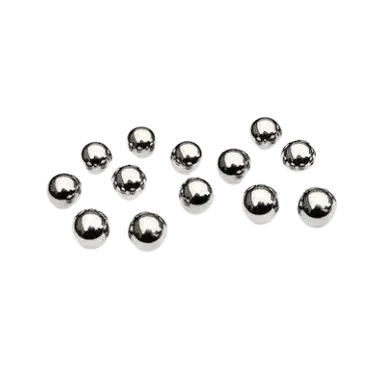
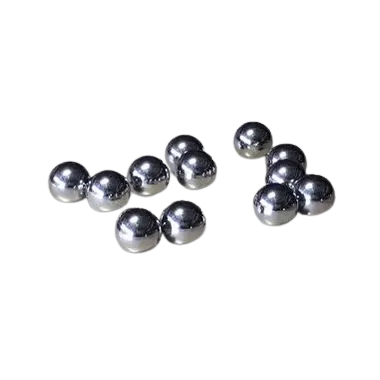
Another thing to consider is the temperature. Extreme temperatures can also affect the steel. Try to keep the storage area at a relatively stable temperature. Avoid storing the balls near heaters or in direct sunlight, as this can cause thermal expansion and contraction, which might lead to surface damage and rust.
Coating and Plating
Applying a protective coating or plating is a great way to prevent rust. There are several types of coatings you can use.
One common option is oil coating. You can dip the carbon steel balls in a thin layer of oil. The oil forms a protective film on the surface of the balls, preventing oxygen and moisture from reaching the steel. Mineral oil is a popular choice because it's inexpensive and easy to apply. Just make sure to clean the balls thoroughly before applying the oil to remove any dirt or debris.
Zinc plating is another effective method. Zinc is more reactive than iron, so when the zinc-coated ball is exposed to the environment, the zinc corrodes first, protecting the underlying steel. Zinc plating can provide long-term protection, especially in outdoor or harsh environments.
Surface Treatment
Proper surface treatment can also help prevent rust. Before storing or using the carbon steel balls, you can perform a passivation process. This involves treating the surface of the balls with a chemical solution, usually nitric acid or citric acid. The solution removes any free iron on the surface and forms a thin, protective oxide layer.
Shot peening is another surface treatment technique. It involves bombarding the surface of the balls with small, spherical media. This process compresses the surface of the steel, improving its resistance to corrosion. Shot peening can also help to remove any surface imperfections that might act as sites for rust initiation.
Handling and Maintenance
How you handle and maintain the carbon steel balls also matters. When handling the balls, make sure your hands are clean and dry. Oils and sweat from your hands can contain salts and acids that can accelerate rusting. You might want to wear gloves to avoid direct contact with the balls.
Regular inspection is crucial. Check the balls periodically for any signs of rust or damage. If you notice any rust spots, you can remove them using a wire brush or sandpaper. After removing the rust, make sure to clean the area thoroughly and apply a new protective coating.
Comparing with Other Types of Steel Balls
It's worth mentioning that there are other types of steel balls available, such as 316 Stainless Steel Balls and High Chrome Steel Balls. Stainless steel balls, like the 316 type, have a higher resistance to rust due to the presence of chromium and nickel. High chrome steel balls also offer good corrosion resistance because of the high chromium content.
However, carbon steel balls are often more cost - effective, making them a popular choice for many applications. By following the tips I've shared, you can make carbon steel balls last just as long and perform just as well as their more expensive counterparts.
Conclusion
Preventing carbon steel balls from rusting requires a combination of proper storage, coating, surface treatment, and handling. By taking these steps, you can ensure that your carbon steel balls stay in good condition for a long time.
If you're in the market for high - quality Carbon Steel Ball, I'm here to help. Whether you have questions about rust prevention or need advice on the right type of balls for your application, feel free to reach out. I'm always happy to have a chat and assist you with your procurement needs.
References
- ASM Handbook, Volume 13A: Corrosion: Fundamentals, Testing, and Protection
- Corrosion Engineering by Pierre R. Roberge