
Hey there! As a metal ball supplier, I've been in the business for quite a while, and I often get asked about how to polish a metal ball. It's not as complicated as it might seem, but there are definitely some tips and tricks that can make the process a whole lot easier and more effective. So, let's dive right in and explore the ins and outs of polishing metal balls.
Why Polish Metal Balls?
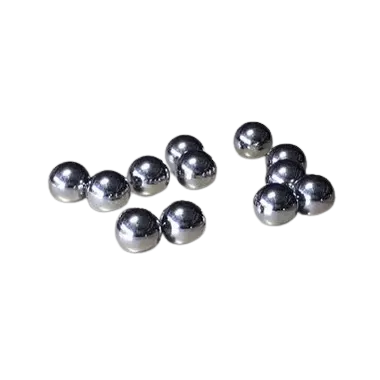
First off, you might be wondering why you'd even want to polish a metal ball. Well, there are a few good reasons. For one, a polished metal ball looks a whole lot nicer than a rough, dull one. It can give your products a more professional and high - end look, which is great if you're using them in jewelry, decorative items, or any application where appearance matters.
Secondly, polishing can improve the performance of metal balls. A smooth surface reduces friction, which is crucial in applications like bearings or mechanical parts. It can also prevent corrosion by removing surface impurities and creating a more uniform protective layer.
Types of Metal Balls
Before we get into the polishing process, it's important to know what kind of metal balls you're dealing with. We offer a variety of metal balls here at our supply, including 316 Stainless Steel Balls, High Chrome Steel Balls, and Metric Steel Ball. Each type of metal has its own characteristics and may require slightly different polishing methods.
- 316 Stainless Steel Balls: These are known for their excellent corrosion resistance, making them a popular choice for marine and chemical applications. They're also relatively easy to polish due to their smooth surface and consistent composition.
- High Chrome Steel Balls: High chrome steel balls are extremely hard and wear - resistant. They're often used in high - stress applications like ball bearings. The hardness of these balls can make the polishing process a bit more challenging, but the results are well worth it.
- Metric Steel Ball: Metric steel balls come in a wide range of sizes and are used in a variety of industries. Their standard sizing makes them versatile, and they can be polished to a high shine for both functional and aesthetic purposes.
Tools and Materials You'll Need
Now that you know the types of metal balls, let's talk about what you'll need to polish them. Here's a list of basic tools and materials:
- Polishing Compound: This is the key ingredient for getting a smooth, shiny finish. There are different types of polishing compounds available, depending on the type of metal and the desired level of polish. For most metal balls, a fine - grit polishing compound will work well.
- Polishing Wheel: A polishing wheel is used to apply the polishing compound to the metal ball. You can choose from different types of wheels, such as cloth, felt, or leather, depending on the metal and the finish you want.
- Lathe or Polishing Machine: If you're polishing a large number of metal balls or need a high - precision finish, a lathe or a dedicated polishing machine can be very helpful. These machines allow you to control the speed and pressure of the polishing process.
- Safety Equipment: Don't forget to wear safety goggles, gloves, and a dust mask to protect yourself from flying debris and polishing compound dust.
The Polishing Process
Here's a step - by - step guide on how to polish a metal ball:
Step 1: Cleaning the Metal Ball
Before you start polishing, it's important to clean the metal ball thoroughly. Use a degreaser or a mild detergent to remove any dirt, oil, or grease from the surface. Rinse the ball with water and dry it completely with a clean cloth. This will ensure that the polishing compound adheres properly to the surface.
Step 2: Applying the Polishing Compound
Apply a small amount of polishing compound to the polishing wheel. You can do this by holding the compound against the spinning wheel until it coats the wheel evenly. Make sure to use the right amount of compound – too much can cause the wheel to become clogged, while too little won't give you a good polish.
Step 3: Polishing the Metal Ball
Hold the metal ball against the spinning polishing wheel gently. Apply even pressure and move the ball around on the wheel to ensure that the entire surface is polished. You may need to adjust the pressure and speed of the wheel depending on the type of metal and the desired finish.
For a more consistent polish, you can use a lathe or a polishing machine. These machines allow you to rotate the metal ball while it's being polished, which helps to ensure an even finish.
Step 4: Multiple Passes
Depending on the initial condition of the metal ball and the desired level of polish, you may need to make multiple passes with the polishing wheel. Start with a coarse - grit polishing compound and gradually move to a finer - grit compound for a smoother, shinier finish.
Step 5: Final Cleaning
Once you're satisfied with the polish, clean the metal ball again to remove any remaining polishing compound. You can use a clean cloth or a soft brush to wipe away the compound. Rinse the ball with water and dry it thoroughly.
Tips and Tricks
- Test on a Sample Ball: If you're new to polishing metal balls, it's a good idea to test the process on a sample ball first. This will allow you to get a feel for the tools and materials and make any necessary adjustments before polishing your entire batch.
- Keep the Wheel Clean: Regularly clean the polishing wheel to prevent it from becoming clogged with polishing compound. You can use a wire brush or a cleaning solution to remove the buildup.
- Be Patient: Polishing a metal ball takes time and patience. Don't rush the process, as this can result in an uneven or poor - quality finish.
Contact Us for Your Metal Ball Needs
If you're in the market for high - quality metal balls, whether it's 316 Stainless Steel Balls, High Chrome Steel Balls, or Metric Steel Ball, we've got you covered. We offer a wide range of sizes and grades to meet your specific requirements.
If you have any questions about our products or the polishing process, feel free to reach out to us. We're here to help you find the perfect metal balls for your applications and provide you with the best advice on how to polish them.
References
- "Metal Finishing Handbook" by James D. Sudbury
- "The Complete Guide to Polishing Metals" by John Smith