
Hey there! I'm a supplier of rolling elements, and I've been in this industry for quite some time. Over the years, I've learned a thing or two about how to optimize the use of these nifty little components. In this blog, I'll share some tips and tricks that can help you get the most out of your rolling elements.
Understanding Rolling Elements
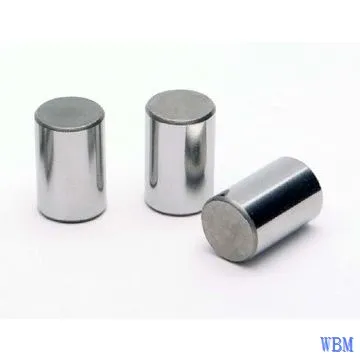
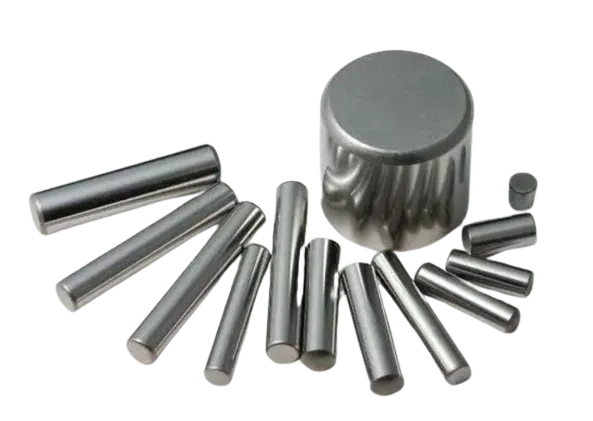
First off, let's quickly go over what rolling elements are. Rolling elements are small components used in bearings to reduce friction between moving parts. They come in different shapes and sizes, like balls, cylindrical rollers, and tapered rollers. Each type has its own unique properties and is suitable for different applications.
For example, Cylindrical roller for industrial and wind - power bearings are great for applications that require high radial load capacity. They can handle heavy loads and are commonly used in industrial machinery and wind - power bearings. On the other hand, Interroll Tapered Roller are designed to handle both radial and axial loads. They're often used in automotive transmissions and other applications where combined loads are present.
Proper Selection
The first step in optimizing the use of rolling elements is proper selection. You need to choose the right type, size, and material of rolling elements for your specific application. Consider factors like load capacity, speed, temperature, and lubrication requirements.
- Load Capacity: If you're dealing with heavy loads, you'll need rolling elements with high load - carrying capacity. For instance, cylindrical rollers are a good choice for high - radial - load applications, while tapered rollers can handle both radial and axial loads.
- Speed: High - speed applications require rolling elements that can handle the centrifugal forces and heat generated. Balls are often a good option for high - speed applications because they have a lower contact area and less friction compared to rollers.
- Temperature: Some applications operate in high - temperature environments. In such cases, you need to choose rolling elements made from materials that can withstand the heat. For example, ceramic rolling elements have excellent high - temperature properties.
- Lubrication Requirements: Different rolling elements have different lubrication requirements. Some may need oil lubrication, while others can work well with grease. Make sure you choose the right lubricant and lubrication method for your rolling elements.
Installation
Proper installation is crucial for the optimal performance of rolling elements. A poorly installed rolling element can lead to premature failure, increased friction, and reduced efficiency.
- Cleanliness: Before installing the rolling elements, make sure the bearing housing and shaft are clean. Any dirt, debris, or contaminants can cause damage to the rolling elements. Use a clean, lint - free cloth to wipe the surfaces and a suitable cleaning agent if necessary.
- Alignment: Ensure that the bearing housing and shaft are properly aligned. Misalignment can cause uneven loading on the rolling elements, leading to premature wear and failure. Use alignment tools to check and adjust the alignment if needed.
- Fitting: When installing the rolling elements, make sure they are fitted correctly. Use the appropriate tools and follow the manufacturer's instructions. Avoid using excessive force, as this can damage the rolling elements.
Lubrication
Lubrication is essential for reducing friction and wear between the rolling elements and the bearing raceways. It also helps to dissipate heat and protect the surfaces from corrosion.
- Choose the Right Lubricant: As mentioned earlier, different rolling elements have different lubrication requirements. Consider factors like temperature, speed, and load when choosing a lubricant. For high - temperature applications, a synthetic lubricant may be a better choice.
- Proper Lubrication Quantity: Over - lubrication can be just as bad as under - lubrication. Too much lubricant can cause excessive heat generation and foaming, while too little lubricant can lead to increased friction and wear. Follow the manufacturer's recommendations for the proper lubrication quantity.
- Lubrication Interval: Establish a regular lubrication interval based on the operating conditions of your equipment. In high - speed or high - load applications, you may need to lubricate more frequently.
Maintenance and Monitoring
Regular maintenance and monitoring are key to optimizing the use of rolling elements. By keeping an eye on the condition of the rolling elements, you can detect problems early and take corrective action before they lead to major failures.
- Visual Inspection: Periodically inspect the rolling elements for signs of wear, damage, or corrosion. Look for things like pitting, spalling, or discoloration. If you notice any abnormalities, replace the rolling elements immediately.
- Vibration Analysis: Vibration analysis can be used to detect problems in the rolling elements, such as misalignment, imbalance, or wear. By monitoring the vibration levels of your equipment, you can identify potential issues early and take corrective action.
- Temperature Monitoring: High temperatures can indicate problems with the rolling elements, such as excessive friction or poor lubrication. Use temperature sensors to monitor the temperature of the bearings and take action if the temperature exceeds the normal range.
Storage
Proper storage of rolling elements is also important. When not in use, rolling elements should be stored in a clean, dry, and temperature - controlled environment.
- Protection from Corrosion: Rolling elements are susceptible to corrosion, especially if they are made from metal. Store them in a protective packaging and use anti - corrosion agents if necessary.
- Avoiding Physical Damage: Make sure the rolling elements are stored in a way that prevents physical damage. Avoid stacking them too high or subjecting them to impact or vibration.
Cost - Benefit Analysis
Optimizing the use of rolling elements also involves a cost - benefit analysis. While it may be tempting to choose the cheapest option, it's important to consider the long - term costs. A higher - quality rolling element may cost more upfront but can save you money in the long run by reducing maintenance costs, downtime, and premature failures.
For example, if you choose low - quality rolling elements, you may have to replace them more frequently, which can lead to higher replacement costs and increased downtime. On the other hand, high - quality rolling elements can last longer and perform better, resulting in lower overall costs.
Conclusion
Optimizing the use of rolling elements is a multi - step process that involves proper selection, installation, lubrication, maintenance, and storage. By following these tips, you can ensure that your rolling elements perform at their best, leading to increased efficiency, reduced downtime, and lower costs.
If you're looking for high - quality rolling elements for your application, I'd love to help. We have a wide range of rolling elements to choose from, and our team of experts can assist you in making the right selection. Don't hesitate to reach out for a procurement discussion, and let's work together to find the best rolling elements for your needs.
References
- "Bearing Handbook" by SKF
- "Rolling Bearing Technology" by Timken Company