
Optimizing the performance of gravity taper rollers in specific industries is a multifaceted challenge that demands a comprehensive understanding of both the rollers themselves and the unique operational requirements of each industry. As a supplier of high - quality gravity taper rollers, I am well - versed in the intricacies of these components and the strategies needed to enhance their performance.
Understanding Gravity Taper Rollers
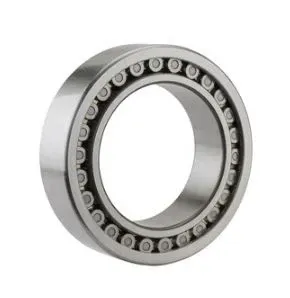
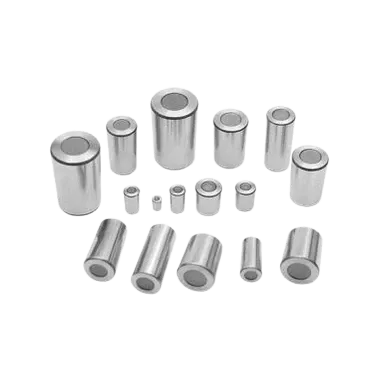
Gravity taper rollers are specialized rolling elements designed to handle both radial and axial loads effectively. Their tapered shape allows for a larger contact area compared to Cylindrical Roller, which distributes the load more evenly and reduces stress concentrations. This characteristic makes them ideal for applications where high load - carrying capacity and durability are essential.
Specific Industries and Their Requirements
Automotive Industry
In the automotive industry, gravity taper rollers are commonly used in wheel bearings. The ability to withstand high radial and axial loads is crucial, as the wheels must support the weight of the vehicle and handle the forces generated during acceleration, braking, and cornering. To optimize performance in this industry, it is essential to ensure that the rollers have a high surface finish and are made from high - quality materials. Heat treatment processes can also be employed to enhance the hardness and wear resistance of the rollers, extending their service life.
Heavy Machinery
Heavy machinery, such as construction equipment and mining machinery, places extreme demands on gravity taper rollers. These machines often operate in harsh environments, exposed to dust, dirt, and high temperatures. To optimize performance in heavy machinery applications, the rollers should be designed with a large contact angle to handle high axial loads. Sealing solutions are also critical to prevent contaminants from entering the bearing and causing premature wear. Additionally, using lubricants specifically formulated for high - temperature and high - load applications can significantly improve the performance and reliability of the rollers.
Aerospace Industry
The aerospace industry has stringent requirements for the performance and reliability of all components, including gravity taper rollers. In aircraft engines and landing gear systems, the rollers must operate under extreme conditions, such as high speeds, high temperatures, and high loads. To meet these requirements, advanced materials and manufacturing processes are used. For example, ceramic materials can be used to reduce the weight of the rollers while maintaining high strength and wear resistance. Precision manufacturing techniques ensure that the rollers have tight tolerances, which is essential for smooth operation and reduced vibration.
Strategies for Performance Optimization
Material Selection
The choice of material is one of the most critical factors in optimizing the performance of gravity taper rollers. High - carbon chromium steels are commonly used due to their excellent combination of hardness, toughness, and wear resistance. However, for specific applications, other materials may be more suitable. For example, stainless steels can be used in corrosive environments, while ceramic materials offer advantages in high - temperature and high - speed applications. As a supplier, I work closely with customers to understand their specific requirements and recommend the most appropriate materials for their applications.
Heat Treatment
Heat treatment processes play a vital role in enhancing the mechanical properties of gravity taper rollers. Processes such as quenching and tempering can be used to increase the hardness and strength of the rollers, while also improving their toughness. The heat treatment parameters, such as temperature and time, must be carefully controlled to achieve the desired properties. By optimizing the heat treatment process, the performance and service life of the rollers can be significantly improved.
Surface Finish
A smooth surface finish is essential for reducing friction and wear in gravity taper rollers. Precision grinding and polishing processes are used to achieve a high - quality surface finish. A smooth surface not only reduces friction but also helps to distribute the load more evenly, preventing stress concentrations and premature failure. Additionally, surface treatments such as nitriding or coating can be applied to further improve the wear resistance and corrosion resistance of the rollers.
Lubrication
Proper lubrication is crucial for the performance and longevity of gravity taper rollers. Lubricants reduce friction, dissipate heat, and prevent wear and corrosion. The type of lubricant used depends on the application, including factors such as operating temperature, speed, and load. For high - speed applications, synthetic lubricants with low viscosity are often preferred, while high - load applications may require lubricants with extreme - pressure additives. As a supplier, I can provide recommendations on the most suitable lubricants for different applications and offer guidance on proper lubrication practices.
Quality Control and Testing
To ensure the performance and reliability of gravity taper rollers, rigorous quality control and testing procedures are essential. At my company, we implement a comprehensive quality control system that includes inspection at every stage of the manufacturing process. This includes raw material inspection, in - process inspection, and final product inspection.
Non - destructive testing methods, such as ultrasonic testing and magnetic particle testing, are used to detect internal defects in the rollers. Dimensional inspection is also carried out to ensure that the rollers meet the specified tolerances. In addition, performance testing is conducted under simulated operating conditions to verify the performance of the rollers. This includes testing for load - carrying capacity, wear resistance, and fatigue life.
Conclusion
Optimizing the performance of gravity taper rollers in specific industries requires a combination of careful material selection, advanced manufacturing processes, and proper maintenance practices. By understanding the unique requirements of each industry and implementing the appropriate strategies, we can ensure that the rollers deliver reliable performance and long service life.
As a leading supplier of Taper Rollers, I am committed to providing high - quality products and excellent customer service. If you are looking for gravity taper rollers for your specific application or have any questions about performance optimization, please do not hesitate to contact me. I am here to help you find the best solutions for your needs and ensure the success of your projects.
References
- Harris, T. A., & Kotzalas, M. N. (2007). Rolling Bearing Analysis. Wiley.
- Bertsche, R. (2012). Rolling Bearings: Selection, Calculation, Applications. Carl Hanser Verlag.
- Stachowiak, G. W., & Batchelor, A. W. (2005). Engineering Tribology. Elsevier.