
Optimizing heat dissipation in taper roller design is a critical aspect that directly impacts the performance, reliability, and lifespan of various mechanical systems. As a dedicated taper roller design supplier, I understand the significance of this challenge and have extensive experience in developing effective solutions. In this blog post, I will share some key strategies and considerations for optimizing heat dissipation in taper roller design.
Understanding the Heat Generation Mechanism
Before delving into the optimization strategies, it is essential to understand how heat is generated in taper roller bearings. When a taper roller bearing operates, several factors contribute to heat generation:
- Friction: Friction between the rolling elements (taper rollers), the raceways, and the cage is a primary source of heat. As the rollers roll and slide against the raceways, mechanical energy is converted into thermal energy.
- Viscous Drag: The lubricant used in the bearing also generates heat due to viscous drag. As the lubricant is sheared between the moving parts, it dissipates energy in the form of heat.
- External Loads: High external loads can increase the contact stresses between the rollers and the raceways, leading to increased friction and heat generation.
Design Considerations for Heat Dissipation
To optimize heat dissipation in taper roller design, the following design considerations should be taken into account:
1. Material Selection
- Roller and Raceway Materials: Choosing materials with high thermal conductivity can significantly improve heat dissipation. For example, certain grades of steel or ceramic materials have better thermal properties than others. These materials can transfer heat more efficiently from the contact areas to the surrounding environment.
- Cage Materials: The cage in a taper roller bearing also plays a role in heat dissipation. Selecting a cage material with good thermal conductivity can help in conducting heat away from the rollers. Additionally, the design of the cage should allow for proper lubricant flow, which aids in heat transfer.
2. Lubrication
- Lubricant Type: The choice of lubricant is crucial for heat dissipation. A lubricant with low viscosity and high thermal conductivity can reduce friction and dissipate heat more effectively. Synthetic lubricants often have better thermal properties compared to mineral oils.
- Lubrication Method: Proper lubrication method is also important. For example, oil bath lubrication can provide better cooling than grease lubrication in high - speed applications. In oil - bath lubrication, the oil circulates around the bearing, carrying away heat from the contact areas.
3. Bearing Geometry
- Roller Profile: Optimizing the roller profile can reduce contact stresses and friction, thereby reducing heat generation. For instance, a crowned or modified roller profile can distribute the load more evenly across the roller and the raceway, minimizing local high - stress areas.
- Internal Clearance: Appropriate internal clearance in the bearing is necessary. A too - tight clearance can increase friction and heat generation, while a too - loose clearance can lead to instability and increased wear.
4. Cooling Features
- External Cooling: In some applications, external cooling methods can be employed. This can include using cooling fins on the bearing housing or circulating coolant around the housing. These external cooling features can enhance the heat transfer from the bearing to the surrounding environment.
- Internal Cooling Channels: Designing internal cooling channels within the bearing can also be an effective way to dissipate heat. These channels can allow the lubricant to flow more efficiently and carry away heat from the critical areas of the bearing.
Comparison with Other Roller Types
It is interesting to compare the heat dissipation characteristics of taper rollers with other types of rollers. Taper Rollers are known for their ability to handle both radial and axial loads, but their heat dissipation performance can be different from Spherical Roller and Needle Roller.
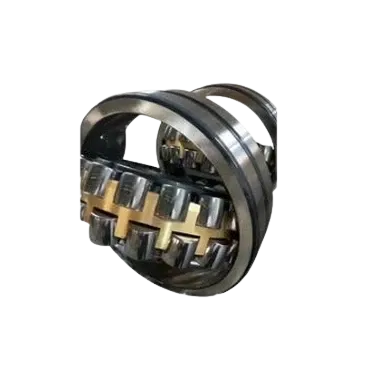
- Spherical Rollers: Spherical rollers can self - align, which can reduce misalignment - induced friction. However, their complex shape may sometimes lead to more complex lubricant flow patterns, affecting heat dissipation.
- Needle Rollers: Needle rollers have a high length - to - diameter ratio, which can result in different contact stresses and heat generation patterns compared to taper rollers. They are often used in applications where space is limited, and their heat dissipation requirements may be different.
Testing and Validation
Once a taper roller design is developed with heat dissipation optimization in mind, it is crucial to conduct testing and validation. This can involve:
- Thermal Testing: Using thermal imaging cameras or temperature sensors to measure the temperature distribution in the bearing during operation. This can help identify hot spots and evaluate the effectiveness of the heat dissipation design.
- Performance Testing: Conducting performance tests under different load and speed conditions to ensure that the bearing operates within the desired temperature range. This can also help in fine - tuning the design if necessary.
Conclusion
Optimizing heat dissipation in taper roller design is a multi - faceted process that involves careful consideration of material selection, lubrication, bearing geometry, and cooling features. By implementing these strategies, we can improve the performance and reliability of taper roller bearings in various applications.
As a taper roller design supplier, I am committed to providing high - quality products with optimized heat dissipation capabilities. If you are interested in learning more about our taper roller designs or would like to discuss your specific requirements, please feel free to reach out for a procurement discussion. I am confident that our expertise and innovative solutions can meet your needs and help you achieve better performance in your mechanical systems.
References
- Harris, T. A., & Kotzalas, M. N. (2007). Rolling Bearing Analysis. John Wiley & Sons.
- Zorzi, C., & Cecchi, M. (2014). Thermal behavior of rolling element bearings. Tribology International, 78, 312 - 320.