
In the realm of mechanical engineering and precision machinery, needle rollers play a pivotal role in various applications. As a dedicated needle roller supplier, I've witnessed firsthand the importance of optimizing the design of needle rollers for specific applications. This blog post aims to delve into the key aspects of this optimization process, offering insights and guidance based on my years of experience in the industry.
Understanding the Basics of Needle Rollers
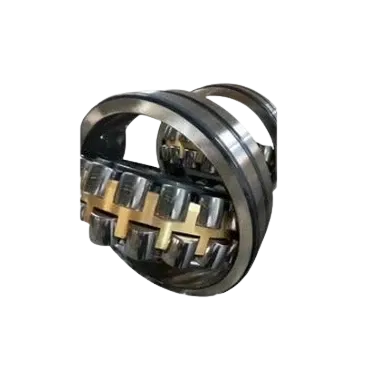
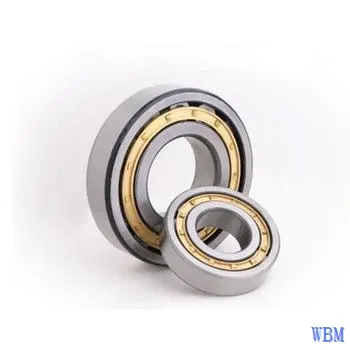
Before we dive into the optimization process, it's essential to have a solid understanding of what needle rollers are and their fundamental characteristics. Needle rollers are cylindrical rollers with a small diameter relative to their length. They are typically used in applications where high load-carrying capacity and compact design are required. Compared to other types of rollers such as Cylindrical Roller and Spherical Roller, needle rollers offer a higher surface area in contact with the raceway, which helps distribute the load more evenly and reduces stress concentration.
Factors Affecting Needle Roller Design
Several factors need to be considered when optimizing the design of needle rollers for specific applications. These factors include:
Load Requirements
The load requirements of an application are one of the most critical factors in determining the appropriate needle roller design. Different applications may have varying load capacities, including radial loads, axial loads, and combined loads. Understanding the magnitude and direction of the loads is essential for selecting the right needle roller size, material, and configuration. For example, in heavy-duty applications such as automotive transmissions or industrial machinery, needle rollers with larger diameters and higher load-carrying capacities may be required.
Speed and Rotational Requirements
The speed and rotational requirements of an application also play a significant role in needle roller design. High-speed applications may require needle rollers with low friction coefficients and excellent dynamic performance to minimize heat generation and wear. Additionally, the rotational direction and frequency of the application need to be considered to ensure that the needle rollers can withstand the associated stresses and maintain their performance over time.
Operating Environment
The operating environment of an application can have a profound impact on the performance and durability of needle rollers. Factors such as temperature, humidity, dust, and chemical exposure can all affect the material properties and surface finish of the needle rollers. For example, in high-temperature applications, needle rollers made of heat-resistant materials may be necessary to prevent thermal expansion and deformation. In corrosive environments, needle rollers with corrosion-resistant coatings or materials can help extend their service life.
Space Constraints
Space constraints are often a significant consideration in many applications, especially in compact or lightweight designs. Needle rollers are known for their ability to provide high load-carrying capacity in a small space, making them an ideal choice for applications where space is limited. However, the design of the needle rollers still needs to be optimized to ensure that they can fit within the available space without compromising their performance.
Optimization Strategies for Needle Roller Design
Material Selection
The choice of material is crucial in optimizing the design of needle rollers. Different materials have different properties, such as hardness, toughness, wear resistance, and corrosion resistance. The material selection should be based on the specific requirements of the application, including the load, speed, and operating environment. Common materials used for needle rollers include bearing steel, stainless steel, and ceramic. Bearing steel is a popular choice due to its high hardness and good wear resistance, while stainless steel is suitable for applications where corrosion resistance is required. Ceramic needle rollers offer excellent high-temperature performance and low friction coefficients, making them ideal for high-speed and high-precision applications.
Surface Finish and Geometry
The surface finish and geometry of the needle rollers can significantly affect their performance. A smooth surface finish can reduce friction and wear, while a proper geometry can ensure uniform load distribution and prevent stress concentration. For example, the end faces of the needle rollers can be ground or chamfered to improve their contact with the raceway and reduce edge stresses. Additionally, the diameter and length tolerances of the needle rollers need to be carefully controlled to ensure a precise fit and optimal performance.
Cage Design
The cage is an essential component of the needle roller assembly, as it helps to maintain the proper spacing and alignment of the needle rollers. The design of the cage can have a significant impact on the performance and reliability of the needle rollers. Factors such as the material, shape, and size of the cage need to be considered to ensure that it can withstand the operating conditions and provide adequate support for the needle rollers. For example, in high-speed applications, a lightweight and high-strength cage material may be required to reduce inertia and improve dynamic performance.
Lubrication
Proper lubrication is essential for the smooth operation and longevity of needle rollers. Lubrication helps to reduce friction, wear, and heat generation, and also provides a protective barrier against corrosion and contamination. The choice of lubricant depends on the specific requirements of the application, including the load, speed, and operating temperature. Common lubricants used for needle rollers include oil and grease. Oil lubrication is suitable for high-speed applications, while grease lubrication is more convenient and cost-effective for low-speed and medium-speed applications.
Case Studies: Optimizing Needle Roller Design for Specific Applications
Automotive Industry
In the automotive industry, needle rollers are widely used in various components, such as transmissions, engines, and steering systems. For example, in a transmission, needle rollers are used in the planetary gear sets to support the shafts and reduce friction. To optimize the design of needle rollers for automotive applications, factors such as high load-carrying capacity, low friction, and long service life need to be considered. Additionally, the needle rollers need to be able to withstand the harsh operating conditions, including high temperatures, vibrations, and contaminants.
Aerospace Industry
The aerospace industry has stringent requirements for the performance and reliability of components. Needle rollers are used in aerospace applications such as landing gear, flight control systems, and engine components. To optimize the design of needle rollers for aerospace applications, factors such as high strength-to-weight ratio, corrosion resistance, and low friction are crucial. Additionally, the needle rollers need to be able to operate in extreme environments, including high altitudes, low temperatures, and high speeds.
Industrial Machinery
In industrial machinery, needle rollers are used in a wide range of applications, such as conveyors, machine tools, and robotics. To optimize the design of needle rollers for industrial machinery applications, factors such as high load-carrying capacity, long service life, and easy maintenance need to be considered. Additionally, the needle rollers need to be able to withstand the heavy loads and high speeds associated with industrial operations.
Conclusion
Optimizing the design of needle rollers for specific applications is a complex but essential process. By considering factors such as load requirements, speed and rotational requirements, operating environment, and space constraints, and implementing optimization strategies such as material selection, surface finish and geometry, cage design, and lubrication, we can ensure that the needle rollers provide optimal performance and reliability in various applications. As a needle roller supplier, I am committed to working closely with our customers to understand their specific needs and provide them with customized solutions that meet their requirements. If you are interested in learning more about our needle roller products or have any questions about optimizing needle roller design for your specific application, please feel free to contact us for a purchase negotiation.
References
- Harris, T. A., & Kotzalas, M. N. (2007). Rolling Bearing Analysis. Wiley.
- Gupta, P. K. (2002). Design of Machine Elements. McGraw-Hill.
- ISO 3096:2016, Rolling bearings - Needle roller bearings - Dimensions and tolerances.