
Tungsten carbide dies are essential tools in various industrial applications, renowned for their hardness, wear resistance, and high-temperature stability. As a leading tungsten carbide die supplier, I understand the importance of proper maintenance to ensure these dies perform optimally and have a long service life. In this blog, I will share some valuable insights on how to maintain tungsten carbide dies effectively.
Understanding Tungsten Carbide Dies
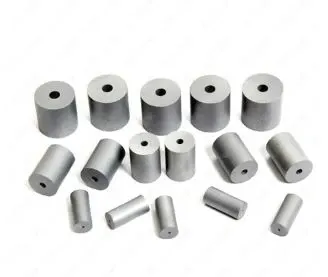
Before delving into maintenance strategies, it's crucial to understand the nature of tungsten carbide dies. Tungsten carbide is a composite material composed of tungsten carbide particles bonded together by a metallic binder, typically cobalt. This unique combination gives tungsten carbide its exceptional properties, making it ideal for use in dies for processes such as cold heading, cold forming, and forging.
Initial Inspection and Handling
Upon receiving a new tungsten carbide die, it's essential to conduct a thorough inspection. Check for any visible defects, such as cracks, chips, or uneven surfaces. These issues can significantly affect the die's performance and lifespan. If any defects are found, contact the supplier immediately for a replacement or repair.
When handling tungsten carbide dies, always use proper tools and techniques. Avoid dropping or subjecting the dies to sudden impacts, as this can cause internal damage that may not be immediately visible. Use soft, non-abrasive materials when cleaning or handling the dies to prevent scratching the surface.
Cleaning and Lubrication
Regular cleaning is one of the most important aspects of die maintenance. After each use, remove any debris, metal shavings, or lubricants from the die surface. A mild detergent and a soft brush can be used to clean the die gently. Avoid using harsh chemicals or abrasive cleaners, as these can damage the carbide surface.
Lubrication is also crucial for the smooth operation of tungsten carbide dies. Using the right lubricant can reduce friction, prevent galling, and extend the die's lifespan. Choose a lubricant that is specifically designed for the type of metal being formed and the operating conditions. Apply the lubricant evenly to the die surface before each use, and make sure to remove any excess lubricant to prevent buildup.
Storage
Proper storage is essential to prevent damage to tungsten carbide dies when they are not in use. Store the dies in a clean, dry environment, away from direct sunlight and moisture. Use a dedicated storage case or rack to keep the dies organized and protected. Avoid stacking the dies on top of each other, as this can cause damage to the die surfaces.
Heat Treatment and Coating
In some cases, heat treatment and coating can enhance the performance and durability of tungsten carbide dies. Heat treatment can improve the die's hardness and wear resistance, while coating can provide additional protection against corrosion and friction. Consult with a professional heat treatment and coating service provider to determine the best options for your specific dies.
Regular Inspection and Maintenance Schedule
Establishing a regular inspection and maintenance schedule is crucial for ensuring the long-term performance of tungsten carbide dies. Inspect the dies regularly for signs of wear, such as dull edges, surface cracks, or deformation. Replace any worn or damaged parts immediately to prevent further damage to the die.
In addition to regular inspections, perform preventive maintenance tasks on a scheduled basis. This may include cleaning, lubrication, and calibration. Keep detailed records of all maintenance activities, including the date, type of maintenance performed, and any issues detected. This information can be valuable for tracking the die's performance over time and identifying potential problems before they become serious.
Troubleshooting Common Issues
Despite proper maintenance, tungsten carbide dies may still encounter problems from time to time. Here are some common issues and their possible solutions:
- Wear and Tear: If the die shows signs of excessive wear, such as dull edges or surface roughness, it may need to be re-sharpened or replaced. Consult with a professional die maker to determine the best course of action.
- Cracking: Cracks in the die can be caused by a variety of factors, including improper handling, excessive stress, or thermal shock. If a crack is detected, stop using the die immediately and consult with a professional for repair or replacement.
- Galling: Galling occurs when metal particles adhere to the die surface, causing friction and damage. To prevent galling, use a high-quality lubricant and ensure that the die surface is clean and smooth.
- Corrosion: Corrosion can occur if the die is exposed to moisture or corrosive chemicals. To prevent corrosion, store the dies in a dry environment and use a corrosion-resistant coating if necessary.
Conclusion
Maintaining tungsten carbide dies is essential for ensuring their optimal performance and longevity. By following the tips and strategies outlined in this blog, you can extend the lifespan of your dies, reduce downtime, and improve the quality of your products.
As a tungsten carbide die supplier, I am committed to providing high-quality products and excellent customer service. If you have any questions or need further assistance with die maintenance, please do not hesitate to contact me. I am always here to help you find the best solutions for your specific needs.
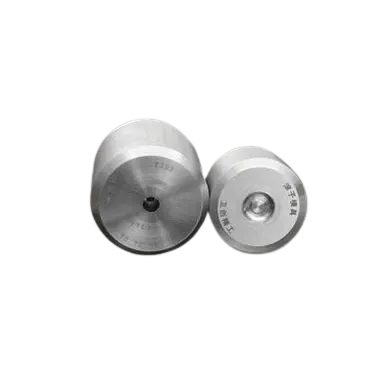
If you are interested in purchasing Cold Heading Punches, Carbide Cold Heading Dies, or Cold Forming/forging Tools, please feel free to reach out to me. I look forward to discussing your requirements and providing you with the best products and services.
References
- "Tungsten Carbide: Properties, Production, and Applications" by John Doe
- "Die Maintenance Handbook" by Jane Smith
- "Industrial Die Technology" by Bob Johnson