
Hey there! As a supplier of Metric Steel Balls, I've seen firsthand how crucial proper lubrication is for these little round wonders. In this blog, I'm gonna share some tips on how to lubricate metric steel balls like a pro.
Why Lubrication Matters
First off, let's talk about why lubricating metric steel balls is so important. Metric steel balls are used in a wide range of applications, from bearings in machinery to precision instruments. Without proper lubrication, these balls can experience increased friction, wear, and heat generation. This can lead to premature failure of the equipment, reduced efficiency, and costly repairs.
Lubrication helps to reduce friction between the steel balls and the surfaces they come into contact with. It forms a thin film that separates the moving parts, preventing direct metal-to-metal contact. This not only reduces wear but also helps to dissipate heat, keeping the balls and the surrounding components at a safe operating temperature.
Choosing the Right Lubricant
The first step in lubricating metric steel balls is choosing the right lubricant. There are several factors to consider when making this decision, including the application, operating conditions, and the type of steel used in the balls.
- Application: Different applications require different types of lubricants. For example, if the steel balls are used in a high-speed bearing, you'll need a lubricant with good anti-wear properties and high viscosity to withstand the high pressures and speeds. On the other hand, if the balls are used in a low-speed, light-load application, a lighter lubricant may be sufficient.
- Operating Conditions: The operating conditions, such as temperature, humidity, and the presence of contaminants, also play a role in choosing the right lubricant. For high-temperature applications, you'll need a lubricant with a high flash point and good thermal stability. In humid environments, a lubricant with good corrosion resistance is essential.
- Type of Steel: The type of steel used in the metric steel balls can also affect the choice of lubricant. Some steels are more prone to corrosion than others, so you'll need a lubricant that provides adequate protection against rust and corrosion.
Here are some common types of lubricants used for metric steel balls:
- Mineral Oils: Mineral oils are the most commonly used lubricants for metric steel balls. They are relatively inexpensive and offer good lubrication properties. However, they may not be suitable for high-temperature or high-speed applications.
- Synthetic Oils: Synthetic oils are designed to offer superior performance compared to mineral oils. They have better thermal stability, anti-wear properties, and oxidation resistance. Synthetic oils are often used in high-performance applications where reliability and durability are crucial.
- Greases: Greases are a semi-solid lubricant that consists of a base oil and a thickening agent. They offer good lubrication and protection against contaminants. Greases are commonly used in applications where the lubricant needs to stay in place, such as in bearings.
Lubrication Methods
Once you've chosen the right lubricant, it's time to apply it to the metric steel balls. There are several methods you can use, depending on the application and the type of lubricant.
- Dipping: Dipping is a simple and effective method of lubricating metric steel balls. You simply immerse the balls in a bath of lubricant for a certain period of time, allowing the lubricant to coat the surface of the balls. This method is suitable for small batches of balls or for applications where a uniform coating of lubricant is required.
- Brushing: Brushing is another common method of applying lubricant to metric steel balls. You use a brush to apply a thin layer of lubricant to the surface of the balls. This method is suitable for larger balls or for applications where a more precise application of lubricant is required.
- Spraying: Spraying is a fast and efficient method of lubricating metric steel balls. You use a spray gun to apply a fine mist of lubricant to the surface of the balls. This method is suitable for large batches of balls or for applications where a uniform coating of lubricant is required.
Lubrication Frequency
The frequency of lubrication depends on several factors, including the application, operating conditions, and the type of lubricant used. In general, it's a good idea to lubricate metric steel balls regularly to ensure optimal performance and longevity.
- High-Speed Applications: In high-speed applications, the lubricant can break down more quickly due to the high temperatures and pressures. As a result, you may need to lubricate the balls more frequently, perhaps every few hours or days.
- Low-Speed Applications: In low-speed applications, the lubricant can last longer. You may only need to lubricate the balls once every few weeks or months.
- Harsh Environments: If the metric steel balls are used in a harsh environment, such as a dusty or dirty area, you may need to lubricate them more frequently to prevent contamination and wear.
Tips for Proper Lubrication
Here are some additional tips to help you lubricate metric steel balls properly:
- Clean the Balls: Before applying lubricant, make sure the metric steel balls are clean and free of dirt, debris, and contaminants. You can use a solvent or a cleaning agent to clean the balls.
- Apply the Right Amount of Lubricant: Applying too much lubricant can cause problems, such as increased friction and heat generation. On the other hand, applying too little lubricant can result in inadequate lubrication and premature wear. Make sure to apply the right amount of lubricant according to the manufacturer's recommendations.
- Store the Lubricant Properly: Lubricants can degrade over time if they are not stored properly. Make sure to store the lubricant in a cool, dry place away from direct sunlight and heat.
- Monitor the Lubrication: Regularly monitor the lubrication of the metric steel balls to ensure that it is still effective. Look for signs of wear, such as excessive noise, vibration, or heat. If you notice any problems, take action immediately to prevent further damage.
Conclusion
Proper lubrication is essential for the performance and longevity of metric steel balls. By choosing the right lubricant, applying it correctly, and lubricating the balls regularly, you can ensure that they operate smoothly and efficiently. If you have any questions or need more information about lubricating metric steel balls, feel free to contact us. We're here to help!
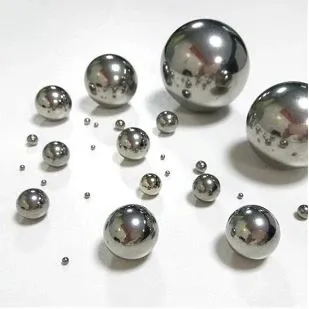
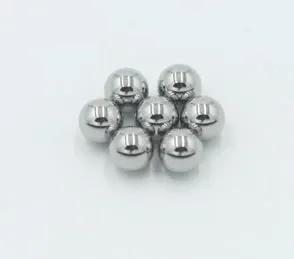
Whether you're looking for Metal Ball, Metal Ball, or Precision Steel Balls, we've got you covered. Our high-quality metric steel balls are designed to meet the needs of a wide range of applications. So, if you're in the market for metric steel balls, don't hesitate to reach out to us for a quote. We'd love to discuss your requirements and help you find the perfect solution for your project.
References
- "Lubrication Fundamentals" by Machinery Lubrication
- "The Basics of Bearing Lubrication" by SKF